Last updated: May 4, 2026
In this article
- Overview of the Asian Semi-Longhair Cat
- History and the Asian Group
- Appearance and Coat
- Temperament and Personality
- Grooming Requirements
- Health and Lifespan
- Diet and Weight Management
- Living with an Asian Semi-Longhair
- Common Behavioral Traits to Expect
- Adopting an Asian Semi-Longhair
- Kitten Care and Early Socialization
- Senior Asian Semi-Longhair Care
- Asian Semi-Longhair vs Chantilly-Tiffany
- Is the Asian Semi-Longhair Right for You?
- Frequently Asked Questions
Overview of the Asian Semi-Longhair Cat
The Asian Semi-Longhair cat — known in some registries as the Tiffanie — is the longhaired member of the UK’s Asian Group, a family of breeds developed alongside the Burmilla. The breed combines a Burmese-type body and temperament with a flowing semi-long coat, producing a cat that looks plush and elegant while behaving with the curiosity and warmth of a Burmese.
This is not the same cat as the American Chantilly-Tiffany, despite the shared portion of the name. The two breeds developed separately, on different continents, with different breed type goals. Conflating them is a common mistake — and the registries themselves have used various names over the years, which has not helped.
The Tiffanie remains a rare breed even in its UK home country. Outside the UK, finding a recognized Tiffanie requires either international logistics or substantial patience. This profile covers what to expect from the breed and how to think about adoption realistically.
History and the Asian Group
The Asian Group of breeds emerged in the UK in the early 1980s when an accidental cross between a chinchilla Persian and a Burmese produced kittens with striking traits. From that line, breeders developed the Burmilla — a shorthaired silver-shaded cat — and pursued additional varieties across coat lengths and color patterns. The Tiffanie (Asian Semi-Longhair) emerged from this development work as the longhaired sibling.
UK registries including the GCCF have recognized the Asian Group, while recognition with major international bodies varies. Status changes over time, so check current registry pages if pedigree paperwork matters to you. What is consistent is the breed’s unique identity: it is genuinely a UK creation, with a documented breeding history quite distinct from the American Chantilly-Tiffany.
Appearance and Coat
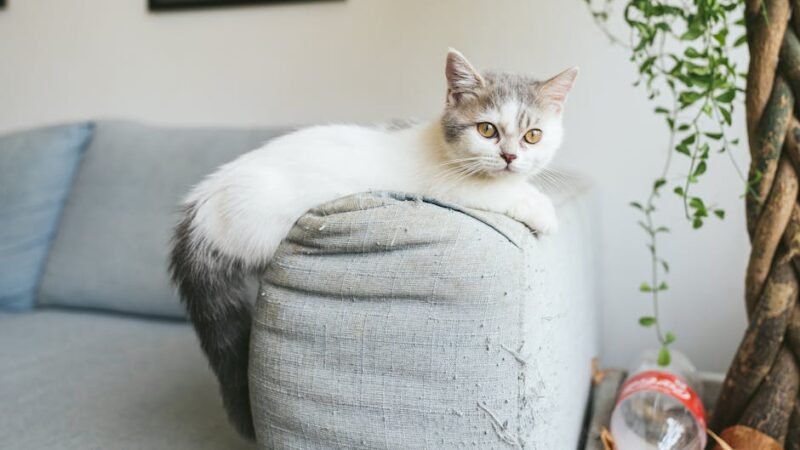
The Asian Semi-Longhair has a Burmese-type body — medium-sized, muscular, well-proportioned, and elegant rather than chunky. The head shows the rounded contours and short muzzle inherited from the Burmese line, with medium ears and large, slightly slanted eyes that are typically yellow or gold.
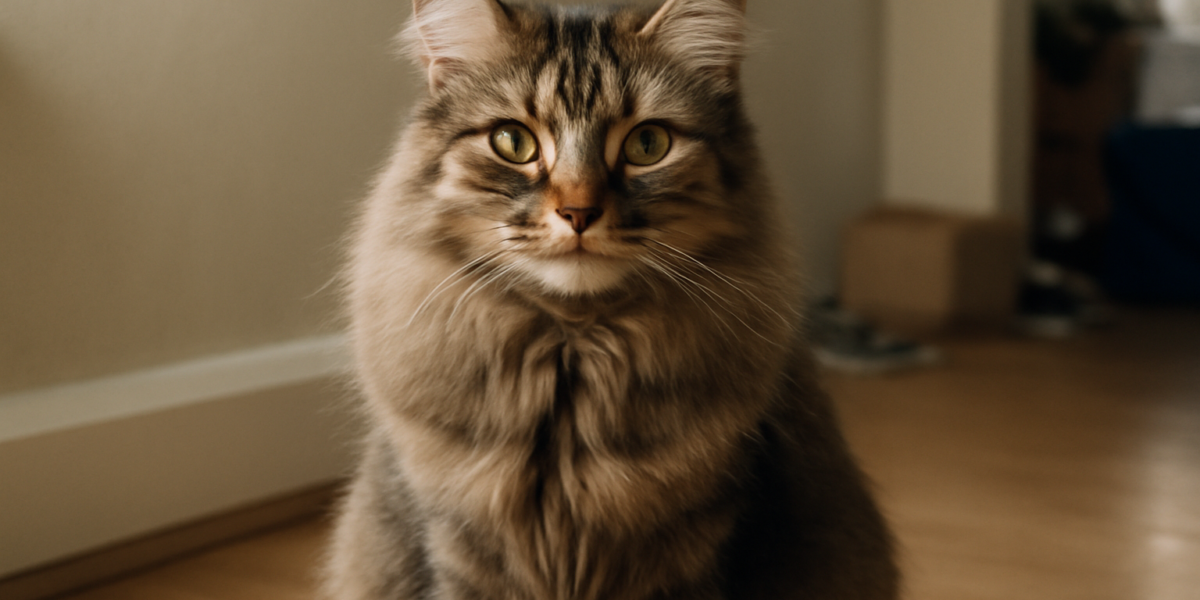
The coat is the breed’s signature feature. Semi-long, fine, and silky, it lies relatively close to the body with a gentle plume on the tail and a softer ruff around the neck. Unlike Persian or Maine Coon coats, it does not require constant detangling. A wide range of colors is acceptable: solids, shaded silvers, smokes, tortoiseshells, and tabbies all appear in the breed’s color palette.
Size and Build
Adult males typically weigh 10 to 14 pounds, females 7 to 11 pounds. The Burmese-type body is heavier than it looks — pick one up and you will feel substance under that flowing coat.
Temperament and Personality
Asian Semi-Longhairs inherit much of the Burmese temperament: affectionate, people-oriented, and chatty. They form strong bonds with their family, prefer involvement to isolation, and often follow their humans from room to room. Many are notable lap cats — a trait their Persian ancestry contributes — but with more energy and engagement than a typical Persian.
They are intelligent and learn household routines quickly. Some can be taught to walk on a harness, fetch toys, or respond to their name reliably. They are generally tolerant of being held and handled, which makes them good fits for families and adopters who want a hands-on companion.
With other cats, well-socialized Tiffanies usually integrate well, particularly when paired with breeds of similar temperament. Cat-friendly dogs are typically accepted. Strangers may be greeted with cautious friendliness rather than the wariness of more reserved breeds.
Grooming Requirements
Despite the semi-long coat, grooming is more manageable than the appearance suggests. The fine, silky texture resists serious matting in most cases, and a thorough brushing two or three times a week keeps the coat tangle-free and removes loose hair. During seasonal sheds, daily brushing helps.
Pay attention to the ruff around the neck and the trousers on the back legs — these areas mat first if grooming lapses. Eye and ear care are standard for any cat: gentle wiping as needed, no aggressive cleaning.
Bathing and Coat Maintenance
Most Tiffanies do not need regular bathing. If the coat becomes greasy or the cat gets into something messy, a gentle bath with a cat-formulated shampoo is fine. Many adapt to bathing well if introduced gradually as kittens.
Health and Lifespan
Asian Semi-Longhairs are generally regarded as healthy, with the caveat that the gene pool is small and the breed shares some background with both Burmese and Persian lines. Burmese ancestry can carry concerns around hypokalemia and certain orthopedic issues; Persian ancestry can carry concerns around dental crowding and eye drainage. Veterinary consensus suggests routine wellness care is the best strategy.
Annual exams matter. Bookmark the annual vet exam for cats guide for what to expect at each visit, and consider establishing baseline bloodwork values once your cat reaches middle age.
Healthy individuals typically live 12 to 16 years, with many reaching the upper end when fed appropriately and kept indoors.
Diet and Weight Management
Tiffanies tend to be enthusiastic eaters, and their solid Burmese-type build can mask weight gain. A complete and balanced commercial diet appropriate for life stage forms the foundation. Measure portions instead of free-feeding, particularly in multi-cat households.
If your cat shares a home with others on different diets, the feeding multi-cat different diets guide covers practical setups. Hydration should be supported with multiple water stations or a fountain.
Living with an Asian Semi-Longhair
Tiffanies suit households where someone is home much of the day. They do not handle long stretches of solitude well — they crave engagement and can develop attention-seeking behaviors when consistently isolated. They are excellent matches for retired adopters, work-from-home families, and households with another sociable cat to provide company.
They adapt well to apartments and houses, provided they have vertical space and play opportunities. They are not high-drive athletes like Bengals, but they are not couch potatoes either. A daily play session and access to climbing structures meet their physical needs.
Common Behavioral Traits to Expect
Beyond the broad temperament profile, several specific behavioral traits are commonly observed in Asian Semi-Longhairs. They tend to be talkative — not loud, but conversational, with chirps and trills that comment on household events. Many follow their humans from room to room rather than settling in one favorite spot. They are typically interested in food preparation and may station themselves on the kitchen counter unless trained otherwise.
Play styles run toward interactive engagement rather than solitary toy batting. Wand toys, puzzle feeders, and games involving the human are usually preferred over self-amusement. Many tolerate or even enjoy harness training when introduced gradually. They are typically not high jumpers in the way some Oriental breeds are, but they do appreciate elevated perches.
Sleep patterns are typical for cats — long stretches of sleep punctuated by bursts of activity, often dawn and dusk. Tiffanies that have human companionship through the day tend to sleep more during the day and engage more during evening hours when the family is home.
Adopting an Asian Semi-Longhair
Tiffanies are rare. The handful of dedicated UK breeders produce a limited number of kittens each year, and waitlists are common. North American adopters face additional logistical challenges: the breed is not widely established in the US, and most pedigreed individuals stay in the UK and parts of Europe.
Realistic paths include: contacting GCCF-registered breeders for waitlist availability, joining breed-specific online communities for rehoming alerts from current owners, and exploring international cat rescue networks. The cat-only rescues overview highlights organizations that occasionally place rare breed surrenders, and the finding a reputable rescue in your state guide can help identify reputable rehoming pathways.
If true Tiffanie availability is out of reach, the closely related Burmilla offers nearly identical temperament with a shorter coat — and slightly better availability. The Burmese is another temperament-matched alternative.
Kitten Care and Early Socialization
Asian Semi-Longhair kittens develop their full coat over several months, with the adult length and texture not fully evident until around six to nine months of age. Early gentle grooming habits matter — kittens that learn to enjoy brushing in the first months become adults that accept coat care without stress. Daily short brushing sessions, paired with treats or play, build positive associations.
Socialization in the first sixteen weeks shapes adult temperament more than almost any other variable. Expose kittens to handling by different people, household sounds, supervised interactions with other pets, and routine veterinary care. The kitten vaccination schedule covers preventive care for the first year.
Senior Asian Semi-Longhair Care
As Tiffanies enter their senior years — typically around age ten or eleven — care priorities shift. Twice-yearly veterinary exams help catch age-related conditions early. The senior cat care checklist covers what to monitor. Joint comfort matters as activity decreases; consider accessible litter boxes and ramps to favorite perches. Coat care may require more attention as senior cats groom themselves less effectively.
Asian Semi-Longhair vs Chantilly-Tiffany
Adopters often confuse these two breeds because of overlapping naming. They are not the same. The Asian Semi-Longhair (UK Tiffanie) traces to the Burmilla breeding program — a Burmese-Persian cross. The American Chantilly-Tiffany is a separate breed with a contested origin in North America, traditionally a chocolate-only or chocolate-leaning semi-longhair with no Burmese ancestry.
If a breeder offers you a “Tiffany” cat, ask which lineage they breed. Pedigree paperwork will clarify the breed identity. The two breeds also differ slightly in body type, color genetics, and registry recognition.
Is the Asian Semi-Longhair Right for You?
Choose an Asian Semi-Longhair if you want an affectionate, sociable, beautiful cat and have the patience to wait for one. They suit households with steady human presence, multi-cat homes, and adopters who appreciate the Burmese temperament with longer coat aesthetics.
Look elsewhere if you need quick adoption, prefer an aloof cat, or cannot commit to thorough grooming during shedding season. For more available alternatives, browse the most affectionate cat breeds roundup or compare breeds in the fluffiest cat breeds guide.
Frequently Asked Questions
Is the Asian Semi-Longhair the same as the Chantilly-Tiffany?
No. The Asian Semi-Longhair (also called Tiffanie) is a UK breed from the Burmilla program. The Chantilly-Tiffany is a separate American breed with a different origin and breeding history. Confirming pedigree paperwork is the best way to clarify which breed a specific cat is.
How much grooming does the breed need?
Brushing two or three times a week is usually enough. The fine, silky coat resists serious matting compared to denser longhaired breeds. Pay particular attention to the ruff and the trousers, where mats first form.
Are they hypoallergenic?
No cat breed is truly hypoallergenic. Tiffanies shed and produce the Fel d 1 protein that triggers most cat allergies. Some allergic individuals tolerate certain cats better than others, but this is highly personal.
Can I find one in the United States?
It is difficult. The breed is concentrated in the UK and parts of Europe. North American adopters typically face long waitlists, possible international transport, or the option of choosing a closely related breed like the Burmilla.
How vocal is the breed?
Moderately vocal. Tiffanies inherit some Burmese chatter but are not as constantly noisy as pure Siamese lines. Expect conversational meows, chirps, and trills when they want attention.
Looking to adopt a Asian Semi?
Browse Asian Semi cats and mixes available for adoption from shelters and rescues near you.
Find Asian Semi Cats for Adoption