Last updated: May 6, 2026
In this article
Best Cats for Elderly Owners: Gentle Companions for Your Golden Years
Finding the best cats for elderly owners is about matching calm temperaments, manageable care needs, and genuine affection. A cat can be the perfect companion for a retiree — they are quieter than dogs, do not need walks, and provide the kind of soothing, steady presence that combats loneliness and adds structure to each day.
The ideal cat for an elderly owner is gentle enough to handle comfortably, calm enough not to create tripping hazards, and affectionate enough to make you feel needed. Grooming demands should be light, and the breed should be healthy enough to minimize stressful and expensive veterinary emergencies.
The breeds below check all of those boxes. Many are also available through rescue organizations, including “seniors for seniors” adoption programs that pair older cats with older people.
Ragdoll
The Ragdoll is a top recommendation for elderly owners because of its exceptionally gentle, relaxed temperament. These cats go limp when held, enjoy being cuddled, and are content to sit beside you for hours. They are not jumpy, hyperactive, or prone to darting between your feet — all important considerations for fall prevention.
At 10 to 20 pounds, Ragdolls are larger cats, but they are calm and predictable in their movements. They do not bolt around the house or leap unexpectedly onto counters. Their silky coat needs regular brushing, which can be a pleasant, meditative activity rather than a chore.
Ragdolls are social cats that enjoy quiet companionship. They follow you from room to room and are happy to share your daily routine, from morning coffee to evening television. Their presence alone can reduce feelings of isolation.
British Shorthair
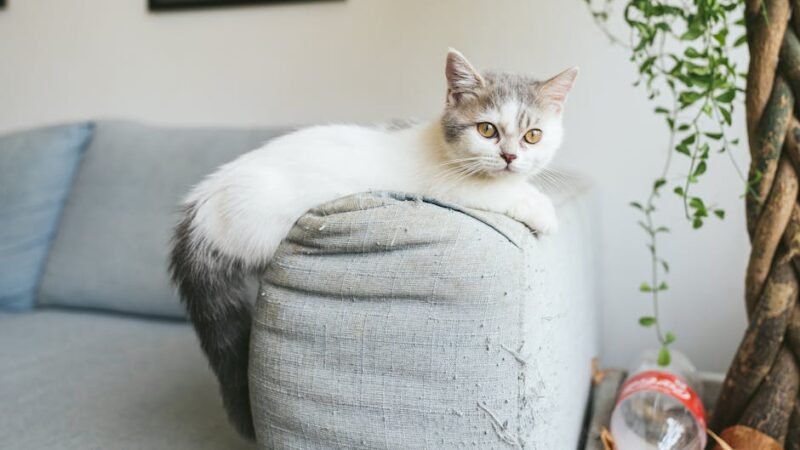
The British Shorthair is a calm, dignified cat that suits an elderly owner’s lifestyle beautifully. They are not demanding, not noisy, and not prone to the kind of hyperactive antics that could startle or inconvenience an older person. They enjoy being near you without insisting on constant physical contact.
Their short, dense coat requires only weekly brushing — a minimal time commitment. They are one of the healthiest purebred cat breeds, with lifespans of 12 to 20 years and relatively few genetic health concerns. This translates to fewer emergency vet visits and more predictable care costs.
British Shorthairs are sturdy cats that weigh 9 to 17 pounds. They are not fragile, which means normal handling does not risk injury to the cat. Their independence makes them suitable for owners who may occasionally be away for medical appointments or social outings.
Persian
Persians are the ultimate lap cats — quiet, gentle, and content to lounge in your company all day. They have the lowest energy level of almost any cat breed, which makes them perfectly suited to a slower-paced lifestyle. They are not climbers, not runners, and not troublemakers.
The caveat is grooming. A Persian’s long coat requires daily brushing, which some elderly owners enjoy as a calming ritual and others find burdensome. If daily grooming is too much, the Exotic Shorthair offers the same personality with a short, easy-care coat.
Persians are quiet, rarely vocal, and move through the house with a gentle, unhurried grace. Their flat faces require daily eye cleaning, but this takes only a minute with a soft cloth. For owners who enjoy a hands-on grooming routine, the Persian is deeply rewarding.
Exotic Shorthair
The Exotic Shorthair is the low-grooming alternative to the Persian, and it is one of the best cats for elderly owners who want a cuddly, calm companion without the daily brushing commitment. Their plush coat needs only weekly attention, and their temperament is virtually identical to the Persian’s.
These cats are quiet, gentle, and undemanding. They enjoy sitting in your lap, napping on the sofa nearby, and being involved in your day without creating chaos. Their flat faces need daily wiping, but that is the extent of their special care needs.
At 7 to 14 pounds, Exotic Shorthairs are a manageable size for elderly owners. They are not jumpers or sprinters, which means fewer tripping hazards and a calmer household overall.
Russian Blue
The Russian Blue is an elegant, quiet cat that forms a deep bond with its owner while remaining independent enough to handle time alone. They are gentle, well-mannered, and rarely vocal — qualities that suit a peaceful home perfectly.
Their short, plush coat needs minimal grooming, and they are known for being clean, fastidious cats. They are healthy with long lifespans of 15 to 20 years, which means you are likely to enjoy many years of companionship.
Russian Blues prefer routine and may be initially reserved with visitors, but they are deeply affectionate with their chosen person. For an elderly owner living alone, that exclusive devotion can be particularly meaningful. Learn more about this breed in our Russian Blue vs Chartreux comparison.
Other Breeds Well-Suited to Elderly Owners
Several more breeds deserve consideration:
- Birman. Gentle, quiet, and affectionate, the Birman has a moderate grooming need and a calm temperament that suits a relaxed lifestyle. They enjoy companionship without demanding constant interaction.
- Scottish Fold. Sweet and adaptable, the Scottish Fold is a low-energy companion that handles apartment living well. Their short-haired variety requires minimal grooming.
- American Shorthair. Healthy, easy-care, and adaptable, the American Shorthair is a reliable companion that adjusts to any lifestyle. Their robust health means fewer vet bills.
- Burmese. More social than some on this list, the Burmese is a warm, engaging companion for elderly owners who want an interactive cat. Their sleek coat is effortless to maintain.
For more apartment-friendly options, our guide to the best cats for small apartments covers breeds that thrive in compact spaces.
Why Adopting a Senior Cat Makes Perfect Sense
Elderly owners and senior cats are a natural match. Here is why adopting an older cat works so well:
- What you see is what you get. A senior cat’s personality, energy level, and health status are established. There are no surprises about how active or demanding they will be.
- Already house trained. Senior cats know how to use a litter box and have outgrown destructive kitten behavior like climbing curtains and chewing cords.
- Calmer pace. Older cats are naturally less active and spend more time sleeping and lounging, which aligns with a quieter lifestyle.
- Faster bonding. Many senior cats bond quickly with a new owner, grateful for the warmth and stability of a loving home after time in a shelter.
- You save a life. Senior cats are the most overlooked group in shelters. By adopting one, you give a deserving cat its best final chapter.
Many rescues offer reduced adoption fees for senior cats, and some have “seniors for seniors” programs specifically designed to match older adopters with older cats. Visit our cat adoption hub to start your search.
Practical Tips for Elderly Cat Owners
A few practical adjustments make cat ownership easier and safer:
- Use a low-sided litter box. A litter box with a low entry makes it easier for both you and an older cat to access. Avoid top-entry boxes that require bending or lifting.
- Place food and water at a comfortable height. Elevated bowls reduce the need to bend down for daily feeding and watering.
- Plan for emergencies. Identify a friend, family member, or pet sitter who can care for your cat if you are hospitalized or temporarily unable. Written instructions for feeding, medication, and veterinary contacts are helpful.
- Keep vet records organized. A simple folder with vaccination records, medications, and your vet’s contact information makes appointments and emergencies easier to manage.
- Choose lightweight litter. Heavy clay litter can be difficult to carry and pour. Lightweight and wood-pellet litters are easier on your back and arms.
Consult your physician if you have concerns about pet ownership and your health. Most doctors agree that the companionship, routine, and emotional benefits of a cat far outweigh the modest physical demands.
Frequently Asked Questions
What is the calmest cat breed for an elderly person?
The Persian and Exotic Shorthair are the calmest cat breeds overall. Both are extremely low-energy, quiet, and content to spend the day lounging near their owner. The British Shorthair is another excellent calm choice with easier grooming.
Are cats good for elderly people living alone?
Yes. Research shows that cat ownership can reduce stress, lower blood pressure, and combat loneliness. Cats provide companionship and routine without the physical demands of dog ownership — no walks, no yard, no lifting heavy animals.
How much does it cost to own a cat per year?
Basic annual costs for a cat typically range from $800 to $1,500, covering food, litter, veterinary checkups, and supplies. Costs increase with health issues, specialty diets, or professional grooming. Pet insurance can help manage unexpected veterinary expenses.
Should an elderly person get a kitten or an adult cat?
An adult or senior cat is almost always the better choice. Kittens are energetic, unpredictable, and require constant supervision. An adult cat from a rescue comes with a known personality, established habits, and a calmer energy level that matches a retiree’s lifestyle.
What if I can no longer care for my cat?
Plan ahead by identifying a trusted person who will take your cat if needed. You can also contact local rescue organizations that accept owner surrenders. Walk Me Home Rescue’s rehoming service can help connect your cat with a loving new home if circumstances change.
Looking to adopt a Best Cat Breeds for Elderly Owners and Retirees?
Browse Best Cat Breeds for Elderly Owners and Retirees cats and mixes available for adoption from shelters and rescues near you.
Find Best Cat Breeds for Elderly Owners and Retirees Cats for Adoption