Last updated: May 4, 2026
In this article
- Overview of the Brazilian Shorthair Cat
- History and Recognition
- Appearance and Coat
- Temperament and Personality
- Care and Daily Routine
- Health and Lifespan
- Diet and Nutrition
- Living with a Brazilian Shorthair
- Common Behavioral Traits to Expect
- Adopting a Brazilian Shorthair
- Kitten Care and Socialization
- Senior Brazilian Shorthair Care
- Brazilian Shorthair vs American Shorthair
- Is the Brazilian Shorthair Right for You?
- Frequently Asked Questions
Overview of the Brazilian Shorthair Cat
The Brazilian Shorthair cat is Brazil’s first internationally recognized pedigree breed — a distinction that took decades of formal breed development to achieve. The breed traces to the country’s free-roaming domestic cat population, with deliberate selection for type by Brazilian breeders aiming to formalize what had been the country’s working street cats into a recognized pedigree.
The breed achieved formal recognition with the World Cat Federation (WCF), establishing it as the first Brazilian pedigree cat with international registry standing. Recognition with other major registries varies and changes over time. Within Brazil, the breed is championed by domestic enthusiasts and represents real cultural pride.
Outside Brazil, the breed is genuinely rare. Most pedigreed individuals stay in their home country, with limited representation in Europe and very little in North America. This profile covers what makes the breed distinctive and how to think about adoption realistically.
History and Recognition
The Brazilian Shorthair’s development path differs from most pedigree breeds. Rather than starting with a small founding pair, breeders worked over decades to identify type characteristics in Brazil’s free-breeding domestic cat population and select consistent individuals across generations. The result is a breed with broad genetic diversity — a meaningful health advantage over pedigreed cats descended from very small founding bases.
Formal WCF recognition cemented the breed’s pedigree status. The work involved establishing a written breed standard, registering foundation animals, and demonstrating consistent reproduction of breed type across multiple generations. For Brazilian cat fancy, this was a significant milestone — proof that the country’s cats deserved formal pedigree recognition rather than being absorbed into European-derived breeds.
Appearance and Coat
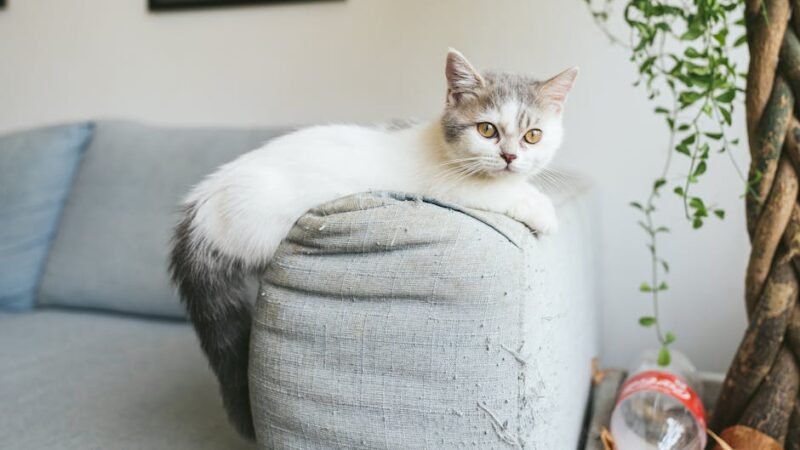
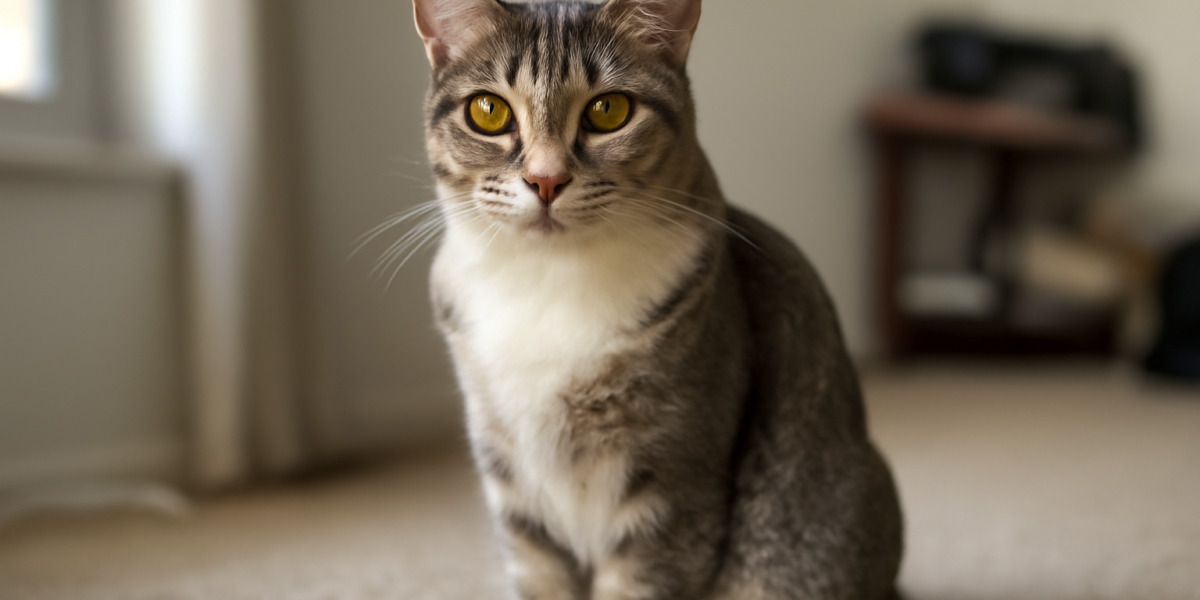
The Brazilian Shorthair is a medium-sized cat with an elegant, athletic build. The body is moderately long and well-muscled, supported by lean legs that give the cat agility and reach. The head is a softened wedge with a straight profile, the ears are medium to large with slightly rounded tips, and the eyes are large, almond-shaped, and brightly colored — typically green, gold, or blue depending on coat color.
The coat is short, fine, and lies close to the body with a distinct sheen. There is no woolly undercoat — a sensible adaptation given Brazil’s tropical and subtropical climate. The breed standard accepts a wide range of colors and patterns: solids, tabbies, bicolors, tortoiseshells, and pointed varieties all appear.
Size and Build
Adult males typically weigh 9 to 12 pounds, females 7 to 10 pounds. The breed gives an impression of refined athleticism — visible muscle, clean lines, and a confident stance.
Temperament and Personality
Brazilian Shorthairs tend to be intelligent, alert, and engaged with their household. The breed’s working-cat heritage produces individuals that are confident and self-possessed, but generations of close human contact have selected for sociability with their family. They are typically not lap-glued cats but they prefer involvement to isolation.
They are active and playful, retaining strong hunting instincts and benefiting from interactive play that channels those drives. Toys that mimic prey movement work well. The breed is also known for being curious and somewhat adventurous — expect a cat that investigates new boxes, follows you to the kitchen, and notices changes in the household.
With strangers, well-socialized Brazilian Shorthairs are typically polite rather than effusive. With other cats and cat-friendly dogs, they generally do well when introductions are managed.
Care and Daily Routine
Grooming is straightforward. The short, fine coat needs only weekly brushing, with slight increases during seasonal sheds. The breed does not require professional grooming or specialty coat products.
Standard cat care covers the rest: nail trims every two to three weeks, dental attention, ear checks. The breed adapts well to routine handling when introduced to it gradually.
Exercise and Mental Stimulation
This is an active breed that benefits from real engagement. Plan for daily interactive play sessions, climbing structures, and ideally puzzle feeders. Many Brazilian Shorthairs respond well to clicker training and learning simple cues, which channels their intelligence productively.
Without enrichment, active breeds often develop attention-seeking or destructive behaviors. The puzzle feeders for cats guide is a good starting reference.
Health and Lifespan
The Brazilian Shorthair benefits from broad genetic diversity, which translates to fewer breed-defining health concerns than many pedigreed cats. Veterinary consensus has not associated the breed with any single condition the way some heavily inbred lines carry well-documented genetic disorders.
Of course, all cats face the standard feline health challenges as they age — dental disease, kidney disease, hyperthyroidism, and the common urinary and gastrointestinal issues. Routine wellness care matters. The annual vet exam for cats guide covers what to expect at each visit, and the adult cat wellness checklist tracks what to monitor between vet visits.
Healthy individuals typically live 14 to 20 years — a noteworthy longevity that reflects the breed’s strong genetic base. Many reach the upper end when kept indoors or in supervised outdoor settings.
Diet and Nutrition
The Brazilian Shorthair has no unusual nutritional requirements. A complete and balanced commercial diet appropriate for life stage is the foundation. The breed’s active build means many individuals eat enthusiastically; portion control matters to maintain a lean body condition.
Wet food in the rotation supports hydration and urinary tract health. Multiple water stations or a fountain encourage drinking. In multi-cat households where individuals have different dietary needs, the feeding multi-cat different diets guide is a practical resource.
Living with a Brazilian Shorthair
Brazilian Shorthairs adapt to a wide range of households. Apartments work well when vertical space and play opportunities are provided; houses suit the breed’s exploratory nature. Single-person households, families, and multi-pet homes can all be good fits.
The breed is moderately tolerant of being left alone for normal workdays but does not handle prolonged isolation well. If you travel frequently or work very long hours, plan for a feline companion or extra enrichment to fill the gap.
With children, well-socialized Brazilian Shorthairs are typically tolerant but value respectful handling. They are generally not the right choice for households with very young children who handle pets unpredictably, but they integrate well with school-age children and beyond.
Common Behavioral Traits to Expect
Beyond the broad temperament profile, several specific behaviors are commonly observed in Brazilian Shorthairs. They tend to investigate new arrivals — packages, furniture, visitors — with confident curiosity rather than wariness. Many enjoy supervised window-watching and benefit from elevated perches that give them a vantage point on household activity.
Play styles favor interactive engagement and prey-mimicking toys. Wand toys, puzzle feeders, and toys with feathers or movement work well. Many Brazilian Shorthairs retain strong hunting instincts and benefit from outlets that channel those drives productively. Without enrichment, the breed’s intelligence can turn into mischief — opening cabinets, exploring forbidden spaces, finding ways to entertain themselves at the household’s expense.
Vocalization is moderate. They communicate readily with their family but are not as constantly vocal as Siamese or Burmese lines. Expect conversational chirps and meows when they want attention or are commenting on household events.
Adopting a Brazilian Shorthair
Availability outside Brazil is limited. Most pedigreed individuals stay in their home country, with smaller breeder networks in Europe and very few in North America. International adoption is possible but requires patience, paperwork, and travel logistics.
Realistic paths include: contacting Brazilian or European breeders for waitlist availability and import information, exploring international rescue networks for occasional placements, and consulting the finding a reputable rescue in your state guide for organizations with international experience. The cat-only rescues overview can identify rescues equipped for unusual placements.
If true Brazilian Shorthair availability is out of reach, consider that many shelter cats — particularly friendly, lean, short-haired domestic shorthairs — share substantial overlap in temperament and care needs. Local shelter adoption remains the most practical option for most adopters.
Kitten Care and Socialization
Brazilian Shorthair kittens are typically active, curious, and quick to engage with their environment. Early socialization in the first sixteen weeks shapes adult temperament. Expose kittens to gentle handling by different people, household sounds, supervised interactions with other pets, and routine grooming and nail trims. The breed’s broad genetic base supports robust kitten development; combined with attentive early care, this typically produces confident, well-adjusted adults.
Establish a consistent feeding schedule and introduce litter box habits early. The kitten feeding schedule by age guide is a useful reference for the first year.
Senior Brazilian Shorthair Care
The Brazilian Shorthair’s noted longevity means many individuals enjoy long, healthy senior years. Annual exams should become twice-yearly around age ten. Watch for changes in appetite, water consumption, weight, and activity levels. Hyperthyroidism, kidney disease, and dental disease all become more common with age. The senior cat care checklist covers what to monitor.
Joint comfort matters as activity naturally decreases. Lower-sided litter boxes, ramps to favorite perches, and softer bedding all support comfort. Many senior Brazilian Shorthairs retain their alert, engaged temperament well into old age.
Brazilian Shorthair vs American Shorthair
The two breeds share a similar concept — formalized pedigree breeds developed from each country’s domestic cat population — but differ in key ways. American Shorthairs are stockier and more cobby, with rounded heads and shorter legs. Brazilian Shorthairs are leaner, more elegant, and longer-bodied. Temperamentally, both are sociable, but Brazilian Shorthairs tend to be more active and curious.
For comparison shoppers, the American Shorthair is far more widely available in North America and offers a similar concept of “domestic cat formalized as pedigree.” The European Shorthair is yet another regional take on the same idea.
Is the Brazilian Shorthair Right for You?
Choose a Brazilian Shorthair if you want an athletic, intelligent, healthy breed with a strong genetic base and you have the patience to find one. They suit active households, multi-pet homes, and adopters who appreciate breeds with documented broad genetic diversity.
Skip the breed if you need quick local availability, want a placid lap cat, or cannot provide regular interactive play. For broader options, browse the most popular cat breeds roundup or the rarest cat breeds guide depending on your priorities.
Frequently Asked Questions
Is the Brazilian Shorthair recognized internationally?
The breed achieved formal World Cat Federation recognition. Recognition with other major registries varies and changes over time, so consult registry pages directly for current status if pedigree paperwork matters to you.
How long do Brazilian Shorthairs live?
Healthy individuals typically live 14 to 20 years, with the breed’s broad genetic diversity contributing to its overall longevity. Indoor living and routine wellness care support reaching the upper end of that range.
Do they need a lot of exercise?
They are active and benefit from daily interactive play, climbing options, and mental stimulation. They are not the most extreme high-drive breed, but they are not couch potatoes either.
Are Brazilian Shorthairs good with families?
Generally yes, particularly with school-age children and older. They prefer respectful handling and may not suit households with very young children who handle pets unpredictably.
Can I find a Brazilian Shorthair in the United States?
Availability is genuinely limited. The breed is concentrated in Brazil with smaller representation in Europe. North American adopters typically face long waitlists, possible international transport, or the alternative of choosing a more available breed with similar traits.
Looking to adopt a Brazilian Shorthair Cat Breed Profile?
Browse Brazilian Shorthair Cat Breed Profile cats and mixes available for adoption from shelters and rescues near you.
Find Brazilian Shorthair Cat Breed Profile Cats for Adoption