Last updated: April 25, 2026
In this article
Most Popular Cat Breeds: The Top 10 Favorites
The world of cat breeds is wonderfully diverse, ranging from the regal Persian to the wildly athletic Bengal. While mixed-breed cats remain the most common feline companions overall, purebred cat breeds have passionate followings and fascinating histories. Understanding the most popular breeds helps prospective owners find a cat whose personality, energy level, and care needs match their lifestyle.
In this guide, we rank the ten most popular cat breeds based on registration data, breeder demand, and cultural presence. For each breed, we cover temperament, grooming requirements, health considerations, and the type of household where they thrive. Whether you are looking for your first cat or adding to a multi-cat home, one of these beloved breeds may be your perfect match.
What Drives Cat Breed Popularity
Cat breed popularity is shaped by a mix of temperament, appearance, media exposure, and practical considerations like grooming needs and health. Understanding these factors helps you look beyond the hype and choose a breed that genuinely fits your life.
Temperament is the foundation of lasting popularity. Breeds that are friendly, adaptable, and good with families consistently top the charts. Cats that are too aloof, too demanding, or too high-strung tend to remain niche favorites rather than mass-market breeds.
Appearance matters, but it is not everything. Striking looks attract initial attention, but the breeds that stay popular are the ones whose behavior matches their beauty. A gorgeous cat that shreds furniture, yowls at 3 AM, and hides from visitors will not remain a family favorite for long.
Social media has amplified certain breeds in recent years. Photogenic breeds with distinctive features, like the Scottish Fold’s folded ears or the Bengal’s wild-looking coat, gain followers and exposure that drives demand. However, social media popularity does not always correlate with suitability as a pet.
Health and longevity increasingly influence informed buyers. As veterinary costs rise and awareness of breed-specific health issues grows, many prospective owners actively research genetic health before choosing a breed. Breeds with fewer health problems or longer lifespans have an advantage.
The 10 Most Popular Cat Breeds
1. Ragdoll. The Ragdoll has surged to become one of the most registered cat breeds, and it is easy to see why. These large, blue-eyed beauties are as gentle as they are gorgeous. Named for their tendency to go limp when held, Ragdolls are docile, affectionate, and remarkably tolerant of handling. They follow their owners around the house, greet visitors warmly, and get along beautifully with children and other pets. Their semi-long coat is surprisingly low-maintenance, requiring only twice-weekly brushing to prevent tangles. Ragdolls are indoor cats that thrive on companionship and should not be left alone for extended periods. Explore our Ragdoll cat breed profile for a complete overview.
2. Maine Coon. The Maine Coon is the gentle giant of the cat world. Males can weigh 18 to 25 pounds, but their enormous size is matched by an equally enormous personality. Maine Coons are playful, social, and dog-like in their loyalty. They enjoy interactive play, learn tricks easily, and communicate with distinctive trills and chirps. Their long, shaggy coat requires regular brushing but is less prone to matting than other long-haired breeds thanks to a silky texture. Maine Coons are generally healthy but should be screened for hypertrophic cardiomyopathy and hip dysplasia. For everything you need to know, see our Maine Coon breed profile.
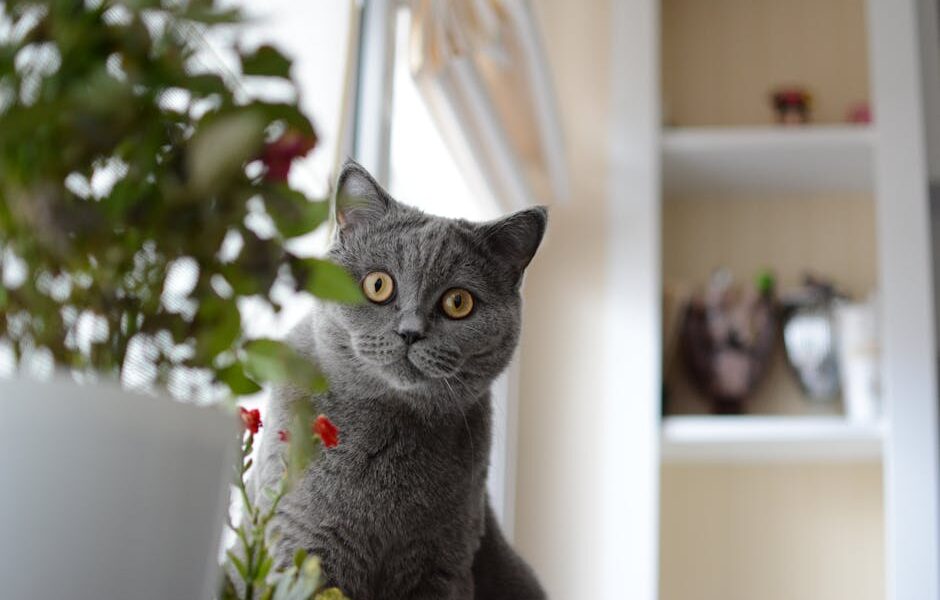
3. British Shorthair. The British Shorthair is calm, dignified, and endlessly charming. Their round faces, dense plush coats, and stocky builds give them a teddy bear quality that is hard to resist. British Shorthairs are easygoing cats that enjoy quiet companionship without being clingy. They are not lap cats in the traditional sense but prefer to sit beside their owners rather than on them. Their independent nature means they handle time alone better than many breeds. The iconic blue (gray) variety is the most recognized, but British Shorthairs come in a wide range of colors and patterns. Read more in our British Shorthair cat breed profile.
4. Persian. The Persian has been a symbol of feline luxury for centuries. With their flat faces, flowing coats, and serene expressions, Persians are the quintessential lap cats. They are calm, gentle, and prefer a peaceful environment. Their long coat requires daily brushing to prevent painful mats, and their flat facial structure requires regular cleaning of the eyes and facial folds. Persians are prone to polycystic kidney disease and breathing difficulties related to their brachycephalic face. Despite these care requirements, their sweet temperament and stunning beauty keep them among the most popular breeds.
5. Exotic Shorthair. The Exotic Shorthair is essentially a Persian with a short, dense coat. They share the Persian’s gentle, calm temperament but without the intensive daily grooming requirements. Weekly brushing is typically sufficient. Their round faces and plush coats give them the appearance of a living teddy bear. Like Persians, they can have breathing issues related to their flat faces and should have their facial folds cleaned regularly. Exotics are wonderful for people who love the Persian personality but want a lower-maintenance coat.
6. Scottish Fold. Scottish Folds are instantly recognizable by their folded ears, which give them an owl-like appearance. Beyond their unique look, they are sweet, adaptable, and remarkably easygoing. Scottish Folds form strong bonds with their families and are known for sitting in unusual positions, including the Buddha sit, where they lean back on their haunches with their legs stretched out. It is important to note that the gene responsible for the folded ears can also cause cartilage and bone problems, so responsible breeding practices are essential.
7. Abyssinian. The Abyssinian is the athlete of the cat world. Lean, agile, and endlessly curious, Abys are one of the most active cat breeds. They love to climb, explore, and play, and they need vertical space like cat trees and shelves to satisfy their climbing instincts. Abyssinians are intelligent and interactive, often learning to play fetch and opening cabinets with ease. Their short, ticked coat requires minimal grooming. They are best suited for owners who enjoy an engaged, high-energy companion.
8. Siamese. The Siamese is one of the oldest and most recognizable cat breeds. They are vocal, social, and deeply attached to their humans. Siamese cats are known for their loud, distinctive voices and their tendency to narrate every moment of the day. They are intelligent and curious, and they do not tolerate being ignored. Siamese cats are best suited for homes where someone is present for much of the day, as they can become anxious and destructive when left alone too long. Their sleek, short coat is virtually maintenance-free.
9. Bengal. Bengals are the wild-looking cats that have taken the feline world by storm. Their spotted or marbled coats resemble those of wild cats, and their muscular, athletic bodies move with a predator’s grace. Bengals are extremely active, intelligent, and need significant daily stimulation. They love water, enjoy interactive play, and can be trained to walk on a leash. Their energy level is not for everyone, but owners who match their intensity are rewarded with an incredibly engaging companion.
10. Sphynx. The hairless Sphynx is the breed that divides the room. People either love them or are bewildered by them, but those who love them are devoted. Sphynx cats are warm, affectionate, and extroverted. They are known for their love of cuddling (they seek body heat since they lack fur) and their clownish antics. Despite being hairless, they require regular bathing to remove skin oils, weekly ear cleaning, and protection from sun and cold. They are social butterflies that do best in homes with plenty of companionship.
Health Considerations Across Popular Breeds
Every breed has its health predispositions, and being aware of them helps you plan for your cat’s care and choose a reputable source if purchasing a purebred.
Hypertrophic cardiomyopathy (HCM) affects many popular breeds, including Maine Coons, Ragdolls, and British Shorthairs. This heart condition causes the heart muscle to thicken and can lead to heart failure. Reputable breeders screen for HCM, but it cannot be entirely eliminated from breeding lines.
Polycystic kidney disease (PKD) is common in Persians and Exotic Shorthairs. DNA testing is available, and responsible breeders test their breeding cats to reduce the prevalence of this condition.
Brachycephalic breeds like Persians and Exotic Shorthairs can experience breathing difficulties, eye problems, and dental issues related to their flat facial structure. These breeds may require more frequent veterinary attention and higher lifetime healthcare costs.
The Scottish Fold’s signature ears come with a genetic component that can cause osteochondrodysplasia, a painful condition affecting cartilage and bone development. Not all Folds develop clinical symptoms, but the risk is inherent in the breed’s genetics.
For any breed, choosing a responsible breeder who performs appropriate health screenings, or adopting from a rescue that provides thorough veterinary evaluation, is the best way to start with a healthy cat.
Adopting Popular Breeds From Rescues
You do not have to buy from a breeder to enjoy a purebred cat. Many popular breeds are available through breed-specific rescue organizations and general shelters.
Breed-specific rescues exist for most of the breeds on this list. These organizations take in surrendered, abandoned, or retired breeding cats and place them in loving homes. Adoption fees are significantly lower than breeder prices, and the cats have been evaluated for temperament and health.
General shelters often have purebred and breed-mix cats available. Siamese, Persian, and Himalayan mixes are particularly common in shelters. These cats offer many of the breed’s characteristic traits with the added health benefits of genetic diversity.
Adult cats from rescues are an excellent option because their personalities are fully developed. You can choose a cat based on actual behavior rather than breed generalizations. Many rescue cats are already spayed or neutered, vaccinated, and litter trained, making the transition to your home even smoother.
Choosing the Right Breed for Your Home
The most popular breed is not necessarily the right breed for you. Matching a cat’s needs to your lifestyle is far more important than following trends. Consider these factors carefully.
Energy level should align with your household. Active breeds like Abyssinians and Bengals need multiple daily play sessions and environmental enrichment. If you want a calmer companion, Persians, British Shorthairs, or Ragdolls are better choices.
Grooming commitment varies dramatically. Long-haired breeds like Persians require daily brushing, while short-haired breeds like Siamese and Abyssinians need almost none. Be realistic about how much time you are willing to spend on coat care.
Social needs differ by breed. Siamese and Sphynx cats crave constant companionship and may develop behavioral issues if left alone frequently. British Shorthairs and Russian Blues are more independent and handle solitude better.
If you have children, look for breeds known for patience and tolerance. Ragdolls, Maine Coons, and British Shorthairs are generally excellent with kids. More high-strung breeds may not tolerate the unpredictability of small children.
Consider the long-term financial commitment. Breeds with known health issues may incur higher veterinary costs over their lifetime. Factor in grooming costs for breeds that need professional maintenance.
Frequently Asked Questions
What is the most low-maintenance popular cat breed?
The British Shorthair is arguably the most low-maintenance breed on this list. Their dense, plush coat requires only weekly brushing, they are calm and independent enough to handle time alone, and they have fewer health issues than many popular breeds. American Shorthairs and Burmese are similarly low-maintenance options that did not make this top-ten list but are worth considering.
Are purebred cats healthier or less healthy than mixed breeds?
Mixed-breed cats generally benefit from genetic diversity, which reduces the risk of inherited conditions. Purebred cats are more likely to carry breed-specific genetic conditions because of selective breeding within a limited gene pool. However, many purebred cats live long, healthy lives, especially when sourced from breeders who perform comprehensive health screening. Regular veterinary care is the most important factor in any cat’s long-term health.
How much do popular purebred cats cost?
Prices vary widely by breed, location, and breeder reputation. Ragdolls and Maine Coons typically cost $1,000 to $2,500. Bengals can range from $1,500 to $5,000. British Shorthairs and Persians fall in the $1,200 to $3,000 range. Sphynx cats often cost $1,500 to $4,000. Adopting from a breed-specific rescue typically costs $75 to $300, a fraction of breeder prices for the same breeds.
The most popular cat breeds have earned their followings through genuine qualities that make them wonderful companions. Whether you choose a gentle Ragdoll, a playful Maine Coon, or a dignified British Shorthair, the key to a happy partnership is matching your lifestyle to the breed’s needs. Take your time, do your research, and prepare for years of feline companionship that will enrich your life in ways you never expected.
Looking to adopt a Most Popular Cat Breeds?
Browse Most Popular Cat Breeds cats and mixes available for adoption from shelters and rescues near you.
Find Most Popular Cat Breeds Cats for Adoption