
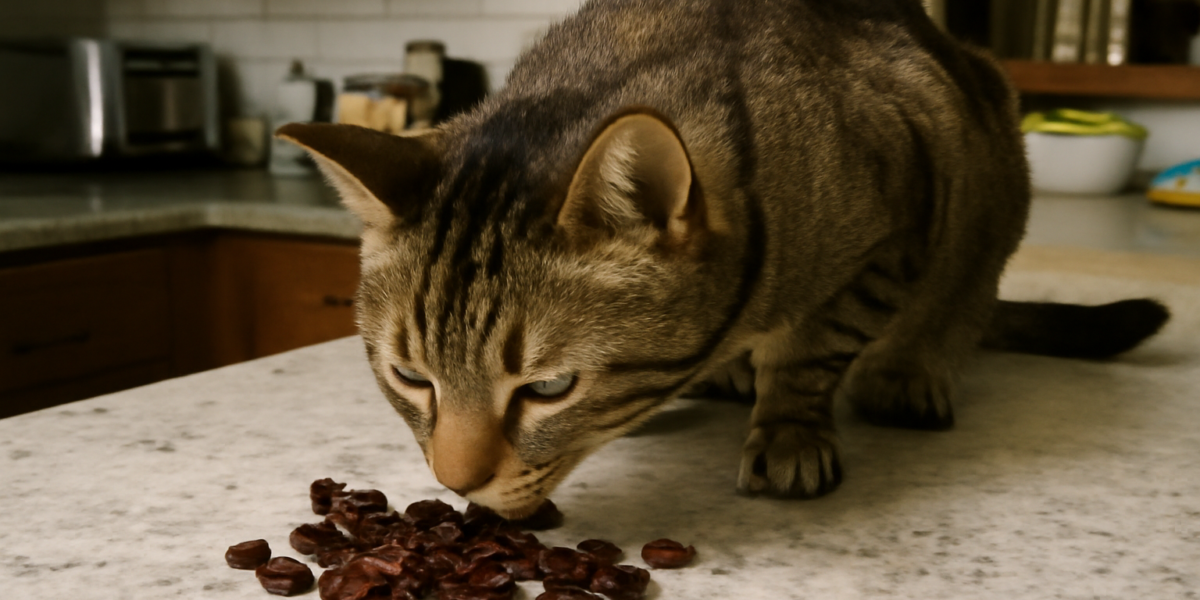
Dried Cranberries Are Not Toxic but Not Recommended for Cats
Can cats eat dried cranberries? While dried cranberries are not poisonous to cats, they are a poor treat choice due to their extremely high sugar content. Most commercially available dried cranberries (like Craisins) are heavily sweetened, with added sugar making up a significant portion of the product. Cats are obligate carnivores with no nutritional need for fruit sugars, and their bodies are poorly equipped to process large amounts of carbohydrates. A single dried cranberry is unlikely to cause harm, but there is no benefit to offering them deliberately.
In this article
- Dried Cranberries Are Not Toxic but Not Recommended for Cats
- Why the Sugar Content Is a Problem
- The UTI Prevention Myth for Cats
- Safe Amounts If Your Cat Eats Dried Cranberries
- Better Treat Alternatives for Cats
- Fresh Cranberries Versus Dried: Is One Better?
- When to See the Vet About Urinary Issues
- Frequently Asked Questions
The interest in feeding cranberries to cats often stems from the popular belief that cranberries help prevent urinary tract infections. While there is some basis for this claim in human medicine, the evidence for cats is much weaker, and the sugar in dried cranberries may actually do more harm than good.
Why the Sugar Content Is a Problem
Fresh cranberries are naturally very tart and low in sugar, which is why manufacturers add substantial amounts of sugar or fruit juice concentrate to make dried cranberries palatable. A typical quarter-cup serving of commercial dried cranberries contains 25 to 30 grams of sugar, roughly the equivalent of six teaspoons.
For a 10-pound cat, even a small amount of added sugar is proportionally significant. Cats have a limited number of enzymes for processing carbohydrates, and their insulin response is less efficient than that of omnivorous species. Regular sugar intake, even in small amounts, contributes to:
- Obesity: Excess sugar is converted to fat. Indoor cats are already prone to weight gain, and sugary treats accelerate the problem.
- Diabetes risk: Cats are susceptible to type 2 diabetes, and dietary sugar is a contributing factor, especially in overweight cats.
- Dental problems: Sugar promotes bacterial growth in the mouth, contributing to plaque, tartar, and dental disease.
- Digestive upset: The concentrated sugar in dried cranberries can cause diarrhea, gas, and abdominal discomfort.
Even unsweetened dried cranberries, while lower in sugar than sweetened varieties, still contain concentrated natural sugars from the drying process. Removing water concentrates everything, including the sugar that was present in the fresh fruit.
The UTI Prevention Myth for Cats
Many cat owners are drawn to cranberries because of their reputation for preventing urinary tract infections in humans. The theory is that proanthocyanidins (PACs) in cranberries prevent bacteria, particularly E. coli, from adhering to the bladder wall. In human medicine, some studies support this mechanism, though the evidence is mixed.
For cats, the situation is quite different. Most feline lower urinary tract disease (FLUTD) is not caused by bacterial infection at all. The most common cause of urinary symptoms in cats is feline idiopathic cystitis (FIC), a stress-related inflammation that has no bacterial component. In these cases, cranberries provide no benefit whatsoever.
When bacterial UTIs do occur in cats, they are most common in senior cats and cats with underlying conditions like diabetes or kidney disease. Even in these cases, the amount of PACs a cat would need to consume for any antibacterial effect far exceeds what a few dried cranberries would provide, and the sugar load would be counterproductive.
If your cat has recurrent urinary issues, the appropriate response is veterinary diagnosis and treatment, not cranberry supplementation. Your vet may recommend prescription urinary diets, increased water intake, stress reduction, or antibiotics for confirmed bacterial infections.
Safe Amounts If Your Cat Eats Dried Cranberries
If your cat snatches a dried cranberry off the floor or eats one from your trail mix, there is no cause for concern. One or two dried cranberries will not harm a healthy cat. You do not need to call your vet for such a small, incidental ingestion.
If you insist on offering dried cranberries as a treat despite the lack of nutritional benefit, limit the amount to one or two individual cranberries no more than once per week, and choose unsweetened varieties. This minimizes the sugar exposure while acknowledging that some cats genuinely enjoy the chewy texture.
Watch for signs of digestive upset after the first offering, including vomiting, diarrhea, or refusal to eat the next meal. Cats who show any sensitivity should not be offered dried cranberries again.
Never offer dried cranberry products that contain additional ingredients harmful to cats, including chocolate-covered cranberries, trail mix with raisins or macadamia nuts, or cranberries sweetened with xylitol (an artificial sweetener that is extremely toxic to pets).
Better Treat Alternatives for Cats
If you want to give your cat a special treat, options that align with their carnivorous biology are always preferable to fruit.
- Freeze-dried meat treats: Chicken, turkey, salmon, or beef freeze-dried treats provide pure animal protein with no added sugar.
- Small pieces of cooked chicken or turkey: Plain, unseasoned, and boneless. Most cats find these irresistible.
- Commercial cat treats: Choose high-protein treats with minimal fillers and no added sugar.
- Sardine pieces: Rich in omega-3s and highly palatable. See our guide on sardine skin for cats for details.
- Small amounts of cooked egg: A good protein source that most cats enjoy.
All treats should make up no more than 10 percent of your cat’s total daily caloric intake. The remaining 90 percent should come from a complete, balanced cat food that meets AAFCO nutritional standards.
Fresh Cranberries Versus Dried: Is One Better?
If the goal is cranberry supplementation (despite the limited evidence for benefit in cats), fresh cranberries are a marginally better option than dried. Fresh cranberries contain much less sugar per gram because they have not been dehydrated and have no added sweeteners.
However, fresh cranberries are extremely tart, and most cats will refuse them outright. Cats lack sweet taste receptors, so they cannot appreciate the sweetness that makes dried cranberries more palatable to humans. The tartness and unfamiliar texture of fresh cranberries make them unappealing to most felines.
Cranberry supplements formulated specifically for cats are available from veterinary suppliers. These products contain concentrated PACs without the sugar, and some veterinarians recommend them for cats with confirmed bacterial UTIs as a complementary therapy alongside antibiotics. Always consult your vet before starting any supplement. Learn more about managing feline health conditions in our cat care library.
When to See the Vet About Urinary Issues
Rather than reaching for cranberries, recognize the signs of urinary problems in cats and seek proper veterinary care:
- Straining in the litter box
- Frequent trips to the litter box with little urine produced
- Crying or vocalizing while urinating
- Blood in the urine (pink or red-tinged)
- Urinating outside the litter box
- Excessive licking of the genital area
A male cat who is straining to urinate and producing no urine at all is experiencing a urinary blockage, which is a life-threatening emergency requiring immediate veterinary care. Do not attempt home remedies. Rush your cat to the vet or emergency clinic immediately.
Your veterinarian will perform urinalysis, possibly imaging, and determine the appropriate treatment. For cats prone to urinary issues, prescription diets, increased water intake through wet food and fountains, and environmental stress reduction are the evidence-based approaches. If you have recently adopted a new cat, discuss preventive urinary health strategies with your vet at the first wellness visit.
Frequently Asked Questions
Can dried cranberries help prevent my cat’s UTI?
There is no reliable evidence that dried cranberries prevent UTIs in cats. Most feline urinary issues are not caused by bacteria, and the sugar in dried cranberries may contribute to other health problems like obesity and diabetes. Consult your veterinarian for evidence-based approaches to urinary health.
My cat ate a handful of dried cranberries from a snack bowl. Should I worry?
A handful of dried cranberries is unlikely to cause serious harm but may lead to digestive upset, including vomiting or diarrhea, within the next 12 to 24 hours. Monitor your cat for symptoms and ensure they have access to plenty of fresh water. If symptoms are severe or persist, contact your veterinarian.
Are cranberry supplements for cats safe?
Veterinary-formulated cranberry supplements designed for cats are generally safe when used as directed and recommended by your veterinarian. These products contain concentrated cranberry extract without the added sugar of dried cranberries. They are sometimes recommended as part of a urinary health management plan for cats with confirmed bacterial infections.
Can kittens eat dried cranberries?
No. Kittens have even less tolerance for sugar and carbohydrates than adult cats, and their small body size means even a few dried cranberries represent a proportionally large sugar dose. Stick to kitten-formulated food and age-appropriate treats recommended by your veterinarian.


