
Last updated: April 10, 2026
In this article
Sardine Skin Is Safe for Cats in Moderation
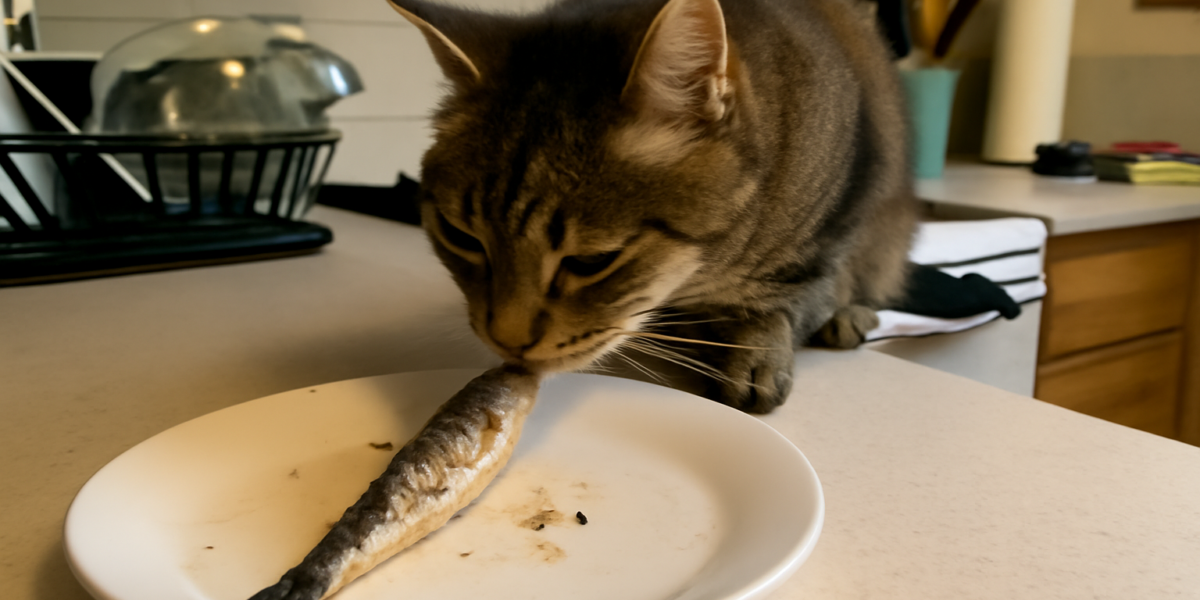
Yes, cats can eat sardine skin, and it is actually one of the more nutritious parts of the fish. Sardine skin is rich in omega-3 fatty acids, particularly EPA and DHA, which support healthy skin, a glossy coat, joint health, and brain function in cats. As obligate carnivores who thrive on animal proteins and fats, cats are well-equipped to digest fish skin. The key considerations are mercury content, sodium levels (depending on how the sardines are prepared), and keeping portions reasonable.
Sardines are one of the safer fish options for cats because they are small, low on the food chain, and accumulate significantly less mercury than larger predatory fish like tuna or swordfish. The skin, while slightly higher in certain contaminants than the flesh, remains well within safe limits when fed in appropriate amounts.
Nutritional Benefits of Sardine Skin
Sardine skin concentrates several nutrients that are particularly valuable for feline health.
- Omega-3 fatty acids (EPA and DHA): The skin and the thin layer of fat beneath it are exceptionally rich in these anti-inflammatory fatty acids. Omega-3s support cardiovascular health, reduce inflammation in joints and skin, and promote cognitive function.
- Protein: High-quality, easily digestible animal protein that matches a cat’s biological requirements.
- Vitamin D: Sardine skin contains vitamin D3, which cats need for calcium absorption and bone health. Unlike humans, cats cannot synthesize vitamin D from sunlight effectively.
- Vitamin B12: Supports nervous system function and red blood cell production.
- Astaxanthin: A natural antioxidant pigment found in the skin of sardines that may support immune function and eye health.
These benefits make sardine skin a genuinely healthy occasional treat, not just a harmless indulgence. Many premium cat foods include sardine or fish skin as an ingredient specifically for the omega-3 content.
Mercury and Contaminant Considerations
All fish contain some level of mercury, but sardines are among the lowest-mercury options available. Their small size and short lifespan mean they accumulate far less methylmercury than larger, longer-lived species. The FDA categorizes sardines as a “best choice” low-mercury fish for human consumption, and the same principle applies to cats.
The skin of any fish may concentrate slightly higher levels of environmental contaminants (including PCBs and heavy metals) compared to the flesh, simply because the skin is in direct contact with the water. However, for sardines specifically, these levels remain very low because the fish themselves are low on the contamination scale.
To minimize contaminant exposure, choose sardines from reputable brands, preferably those caught in clean waters (look for MSC-certified or similar sustainability labels). Wild-caught sardines generally have lower contaminant levels than farmed fish, though sardines are rarely farmed.
Feeding sardine skin once or twice per week in small amounts keeps mercury exposure well within safe limits for cats of any size. Problems arise only with daily, excessive fish consumption over long periods.
How to Serve Sardine Skin to Your Cat
The preparation method matters as much as the portion size. Follow these guidelines for the safest, most nutritious serving.
Best options:
- Sardines packed in water (lowest sodium, no added oils)
- Fresh sardines, lightly steamed or poached with no seasoning
- Sardine skin separated from canned sardines and rinsed briefly to reduce surface sodium
Options to avoid:
- Sardines in oil (excess calories and may contain inflammatory omega-6 oils like soybean or sunflower)
- Sardines in tomato sauce (acidic, contains added sugar and salt)
- Smoked sardines (high sodium, potential carcinogenic compounds from smoking process)
- Sardines with added seasonings, mustard, or hot sauce
Tear or cut the skin into small, manageable pieces for your cat. Most cats enjoy the texture and will chew it readily. If your cat is new to sardine skin, start with a very small piece to test for any digestive sensitivity before offering a full portion.
Safe Portion Sizes and Frequency
For an average adult cat weighing 8 to 10 pounds, a safe portion of sardine skin is the skin from one to two whole sardines, offered once or twice per week. This provides meaningful omega-3 supplementation without excessive mercury, sodium, or caloric intake.
If you are feeding the whole sardine (skin, flesh, and bones), one small sardine one to two times per week is appropriate. The soft, edible bones in canned sardines provide additional calcium and are safe for cats to consume.
Sardine skin treats should be counted toward your cat’s total daily caloric intake. Reduce the regular meal portion slightly on days you offer sardine skin to prevent weight gain. Even healthy treats contribute calories that add up over time, particularly in indoor cats with lower activity levels.
Kittens can have smaller portions (half a sardine’s worth of skin) starting around 12 weeks of age, when they are fully weaned and eating solid food. The omega-3s are especially beneficial for developing brains and growing coats.
Signs of Trouble After Eating Sardine Skin
Most cats handle sardine skin well, but some may experience digestive upset, especially on first exposure. Watch for:
- Vomiting within a few hours of eating
- Diarrhea or loose stools
- Decreased appetite at the next meal
- Excessive gas
These symptoms are typically mild and resolve within 24 hours. If your cat shows these signs, reduce the portion next time or try a different preparation method (switching from canned to freshly cooked, for example).
A genuine fish allergy, while rare in cats, can cause itchy skin, recurrent ear infections, and chronic digestive problems. If you notice these patterns after feeding any fish product, discontinue fish treats and consult your veterinarian for allergy testing.
Excessive fish consumption over time can lead to a condition called steatitis (yellow fat disease), caused by vitamin E depletion from a high omega-3 diet. This is only a risk with diets heavily dominated by fish and is easily prevented by feeding sardine skin as an occasional treat rather than a dietary mainstay. Consult your veterinarian if you have concerns about your cat’s diet balance.
Sardine Skin Compared to Other Fish Treats
How does sardine skin stack up against other fish-based treats for cats? Here is a quick comparison to help you choose the best options.
Sardine skin vs. salmon skin: Both are excellent omega-3 sources. Salmon skin may contain slightly higher mercury levels than sardine skin. Sardine skin is leaner. Both are good choices in moderation.
Sardine skin vs. tuna: Sardines are significantly lower in mercury than tuna, making them the safer long-term choice. Tuna is higher in protein but the mercury risk makes sardines preferable for regular feeding.
Sardine skin vs. cod skin: Cod is very lean with less omega-3 than sardines. Sardine skin wins for nutritional density, but cod skin is a good low-calorie alternative.
For more guidance on fish in your cat’s diet, check our articles on whole sardines for cats and salmon for cats. If you are exploring other protein-rich treats, our guide on beef liver for cats covers another nutrient-dense option.
Frequently Asked Questions
Can I give my cat sardine skin every day?
Daily sardine skin is not recommended. While the occasional serving is very healthy, daily fish consumption increases cumulative mercury exposure and may contribute to excessive omega-3 intake, potentially depleting vitamin E over time. Stick to once or twice per week for the best balance of benefit and safety.
Are the bones in canned sardines safe for cats?
Yes. The canning process softens sardine bones to the point where they are easily chewed and digested by cats. These soft bones are actually a good source of calcium. Raw or fresh sardine bones are also small enough to be safe for most cats, but canned sardine bones are the softest option.
My cat only wants to eat the sardine skin and ignores the flesh. Is that okay?
This preference is common because the skin is the most flavorful and fatty part. As long as the skin portions stay within the recommended limits (skin from one to two sardines, once or twice weekly), it is perfectly fine. Your cat is actually selecting the most nutrient-dense portion of the fish.
Can sardine skin help with my cat’s dry, flaky skin?
Yes, the omega-3 fatty acids in sardine skin can improve skin and coat health over time. Many veterinarians recommend fish oil or fish-based treats as a first-line supplement for cats with dry, flaky skin or dull coats. You should see improvement within four to six weeks of regular (once to twice weekly) supplementation. If skin issues persist, consult your veterinarian to rule out underlying conditions like allergies or hormonal disorders.


