
Last updated: April 9, 2026
In this article
Can Cats Eat Sardines in Oil? What Every Cat Owner Should Know
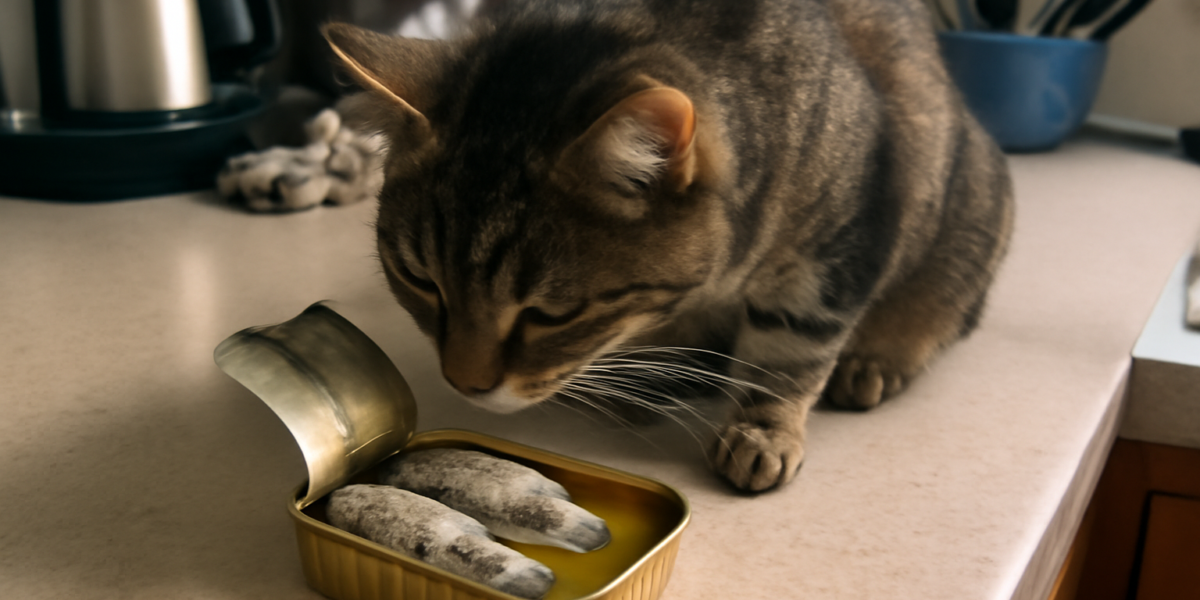
Sardines are one of those foods that make most cats go absolutely wild. The intense fishy aroma, the soft texture, and the rich taste hit all the right notes for our feline friends. But when you reach for that can of sardines in oil in your pantry, you need to pause and ask: can cats eat sardines in oil? The short answer is that while sardines themselves are not toxic to cats, sardines packed in oil are not the ideal choice. The added oil significantly increases the fat and calorie content, which can cause digestive problems and contribute to weight gain. There are much better ways to give your cat the sardine experience they crave.
In this guide, we will break down exactly why oil-packed sardines are problematic for cats, which types of sardines are safer options, the genuine nutritional benefits sardines can offer your cat, and how to serve them responsibly.
Why Sardines in Oil Are Not Ideal for Cats
The sardine itself is not the problem. Sardines are small, nutrient-dense fish that can be a healthy occasional treat for cats. The issue lies specifically in the oil they are packed in. Here is why oil-packed sardines are not the best choice for your cat:
Excess Fat: Canned sardines in oil contain significantly more fat than sardines packed in water. The oil, whether it is sunflower oil, soybean oil, or olive oil, adds a substantial amount of calories and fat that your cat does not need. Cats require fat in their diet, but they get adequate amounts from their regular cat food. The additional fat from oil-packed sardines can push their fat intake well beyond healthy levels.
Digestive Upset: The high fat content in oil-packed sardines can cause gastrointestinal problems in cats, including vomiting, diarrhea, and general stomach discomfort. Cats have relatively small digestive systems that are not designed to handle large amounts of added oils. Even a single serving of oil-packed sardines can trigger digestive issues in sensitive cats.
Pancreatitis Risk: One of the more serious risks associated with high-fat foods in cats is pancreatitis, an inflammation of the pancreas. While a single serving of oil-packed sardines is unlikely to cause pancreatitis on its own, regular consumption of high-fat treats can increase the risk over time. Pancreatitis in cats can be a serious and painful condition requiring veterinary treatment.
Weight Gain: Obesity is one of the most common health problems in domestic cats, affecting an estimated 60 percent of cats in the United States. Adding oil-packed sardines to an already adequate diet can contribute to gradual weight gain. Even small amounts of extra calories add up over time, especially for indoor cats with limited physical activity.
Type of Oil Matters: Not all oils are created equal, and some are worse for cats than others. Sardines packed in soybean oil or sunflower oil provide omega-6 fatty acids that most cats already get in excess from their regular diet. An imbalanced omega-6 to omega-3 ratio can promote inflammation. Sardines packed in olive oil are slightly better but still add unnecessary fat and calories.
Which Sardines Are Safe for Cats?
If you want to share sardines with your cat, there are better options than oil-packed varieties:
Sardines in Water (Best Choice): Sardines packed in plain water with no added salt are the safest canned sardine option for cats. They provide all the nutritional benefits of sardines, including omega-3 fatty acids, protein, and minerals, without the extra fat from added oil. Simply drain the water before serving.
Sardines in Spring Water: This is essentially the same as sardines in water and is equally safe. Look for varieties labeled “no salt added” or “unsalted” for the healthiest option.
Fresh Sardines: If you can find fresh sardines at your local fish market, these are an excellent option. Cook them plain by baking or steaming without any added oil, butter, or seasonings. Fresh sardines allow you to control exactly what your cat is consuming.
What to Avoid: Beyond oil-packed sardines, avoid sardines in tomato sauce, mustard sauce, or any flavored varieties. These contain added sugars, sodium, spices, and other ingredients that are not appropriate for cats. Also avoid smoked sardines, which are very high in sodium.
The nutritional differences are significant. A can of sardines in water typically contains about 4 to 5 grams of fat per serving, while sardines in oil can contain 10 to 15 grams or more. That is a meaningful difference, especially for a small animal like a cat.
Nutritional Benefits of Sardines for Cats
When served appropriately, sardines offer genuine nutritional benefits for cats. Understanding these benefits helps you appreciate why sardines can be a valuable occasional treat:
Omega-3 Fatty Acids: Sardines are one of the richest natural sources of EPA and DHA omega-3 fatty acids. These essential fatty acids support cardiovascular health, reduce inflammation, promote healthy skin and a glossy coat, and may support brain function in aging cats. The omega-3s in sardines are the same type found in fish oil supplements for cats, but in their whole-food form.
High-Quality Protein: Sardines provide complete, easily digestible animal protein that contains all the essential amino acids cats need. Protein is the foundation of a cat’s diet, and the protein in sardines is highly bioavailable.
Vitamin D: Cats have a limited ability to synthesize vitamin D from sunlight the way humans do, making dietary sources essential. Sardines are one of the best natural sources of vitamin D, which supports bone health, calcium absorption, and immune function.
Vitamin B12: This essential vitamin supports nervous system health and red blood cell formation. Sardines provide a significant amount of B12 in each serving.
Calcium and Phosphorus: Sardines, especially those served with their tiny, soft bones, provide bioavailable calcium and phosphorus. These minerals are essential for bone and dental health. The calcium in sardine bones is easily absorbed by the feline digestive system.
Selenium: This trace mineral acts as a powerful antioxidant, protecting cells from damage and supporting thyroid function. Sardines are an excellent source of selenium.
Low Mercury Content: Unlike larger fish such as tuna and salmon, sardines are very low on the food chain, which means they accumulate very little mercury. This makes sardines one of the safer fish options for regular consumption.
How to Serve Sardines to Your Cat
Whether you have chosen water-packed canned sardines or fresh sardines, here is how to serve them safely:
Drain Thoroughly: If using canned sardines in water, drain the liquid completely before serving. While the water is not harmful, draining it reduces the sodium content and prevents a messy eating experience.
Break Into Small Pieces: Mash or break the sardine into small, manageable pieces appropriate for your cat’s size. While sardines are soft and easy to eat, breaking them up prevents your cat from trying to swallow large chunks whole.
Serve at Room Temperature: Cats generally prefer food at room temperature or slightly warm rather than cold from the refrigerator. If the sardines have been refrigerated, let them sit out for a few minutes before serving, or briefly warm them in the microwave for a few seconds.
Bones Are Generally Fine: The tiny bones in canned sardines are soft enough for cats to eat safely. They actually provide beneficial calcium. However, if you are feeding fresh sardines, the bones will be harder. For fresh sardines, either cook them until the bones are very soft or remove the larger bones before serving.
If You Only Have Oil-Packed Sardines: If oil-packed sardines are all you have and you want to give your cat a treat, you can drain them as thoroughly as possible and then rinse them under warm water to remove as much of the surface oil as you can. This is not ideal, but it significantly reduces the oil content. Blot the sardines dry with a paper towel afterward. Keep the portion very small.
Proper Portions and Frequency
Sardines should be treated as an occasional treat, not a dietary staple. Here are the recommended guidelines:
Portion Size: For an average adult cat weighing 8 to 12 pounds, one to two small sardines (or half a standard can of sardines in water) is an appropriate serving. This amount provides a meaningful nutritional boost without overwhelming the diet with extra calories.
Frequency: Sardines should be offered no more than once or twice per week. This frequency allows your cat to benefit from the omega-3 fatty acids and other nutrients without the risks associated with overconsumption, including potential mercury accumulation and caloric excess.
Adjust Regular Meals: On days when you give your cat sardines, reduce their regular food portion by a proportional amount to maintain caloric balance. Even water-packed sardines contain meaningful calories that need to be accounted for.
Kittens: Kittens can enjoy very small amounts of sardines once they are eating solid food consistently. Offer just a small piece, about a teaspoon of mashed sardine, once a week at most. The omega-3s in sardines can support brain and eye development in growing kittens.
Senior Cats: Older cats can particularly benefit from the omega-3 fatty acids in sardines, which may help manage age-related inflammation and support joint health. However, senior cats with kidney disease should have their phosphorus intake monitored, and sardines are relatively high in phosphorus. Consult your vet before adding sardines to the diet of a cat with kidney issues.
Risks and When to Call the Vet
While sardines are generally safe for cats, there are some risks to be aware of:
Thiaminase Concern: Some raw fish contains thiaminase, an enzyme that destroys thiamine (vitamin B1). Thiamine deficiency can cause serious neurological problems in cats. Canned sardines have been cooked during the canning process, which inactivates thiaminase, making them safe in this regard. If feeding fresh sardines, cook them to eliminate thiaminase.
Sodium Content: Many canned sardines, even those in water, contain added salt. Check the label and choose varieties with no added salt whenever possible. Excessive sodium intake can be problematic for cats, particularly those with heart or kidney disease.
Histamine Sensitivity: Fish that is not properly stored can develop high levels of histamine, which can cause an allergic-like reaction called scombroid poisoning. Symptoms include vomiting, diarrhea, and facial swelling. Always use fresh, properly stored sardines and check canned sardines for any unusual smell or appearance before serving.
Fish Addiction: Some cats can become so enamored with fish that they refuse to eat their regular food. This is a real concern with sardines, which are intensely flavored. To prevent fish fixation, keep sardine treats occasional and do not give in if your cat starts refusing their regular food in hopes of getting sardines instead.
Contact your veterinarian if your cat experiences persistent vomiting or diarrhea after eating sardines, shows signs of an allergic reaction including facial swelling or difficulty breathing, develops lethargy or loss of appetite lasting more than 24 hours, or if you suspect your cat consumed sardines from a compromised can. Cats with existing health conditions, particularly kidney disease, pancreatitis, or heart disease, should not eat sardines without veterinary approval.
Frequently Asked Questions
Can cats eat sardines in olive oil?
While olive oil is not toxic to cats and is sometimes even recommended in tiny amounts for hairball prevention, sardines packed in olive oil still contain far more fat than sardines packed in water. The excess fat can cause digestive upset and contribute to weight gain. If sardines in olive oil are your only option, drain and rinse them thoroughly before offering a very small portion. However, sardines in water are always the better and safer choice for cats.
How often can I give my cat sardines?
Most veterinarians recommend offering sardines no more than once or twice per week as an occasional treat. This frequency allows your cat to benefit from the nutritional advantages of sardines, particularly the omega-3 fatty acids, without the risks of overconsumption. Feeding sardines more frequently than this can lead to caloric excess, potential mercury accumulation over time, and the development of a fish fixation where your cat refuses other foods.
Are sardines better than tuna for cats?
In several important ways, sardines are a better choice than tuna for cats. Sardines are lower on the food chain and therefore contain significantly less mercury than tuna. They also provide more calcium due to their edible bones, more vitamin D, and a comparable amount of omega-3 fatty acids. Tuna, especially albacore, accumulates more heavy metals and can contribute to mercury poisoning if fed too frequently. If you are going to give your cat fish as a treat, sardines are generally the safer and more nutritious option.
My cat ate a whole can of sardines in oil. What should I do?
Do not panic. A one-time consumption of a full can of sardines in oil is unlikely to cause serious harm, but your cat may experience digestive upset including vomiting, diarrhea, or an oily stool over the next 12 to 24 hours. Make sure your cat has access to plenty of fresh water. If the digestive symptoms are severe or last longer than 24 hours, or if your cat shows signs of lethargy, abdominal pain, or loss of appetite, contact your veterinarian. Going forward, keep canned sardines stored where your cat cannot access them.
Sardines can be a wonderful, nutrient-rich treat for your cat when chosen and served wisely. The key takeaway is simple: skip the oil-packed varieties and reach for sardines in water with no added salt. Your cat will enjoy the treat just as much, and you will have the peace of mind knowing you are supporting their health rather than working against it.


