
Last updated: April 10, 2026
In this article
- Can Cats Eat Sardines in Tomato Sauce? Not the Best Choice
- Why Tomato Sauce Is Problematic for Cats
- Sodium and Seasoning Dangers
- Nutritional Benefits of Plain Sardines for Cats
- How to Safely Feed Sardines to Your Cat
- Signs of Trouble After Eating Sardines in Tomato Sauce
- Better Fish Treat Options for Cats
- Frequently Asked Questions
Can Cats Eat Sardines in Tomato Sauce? Not the Best Choice
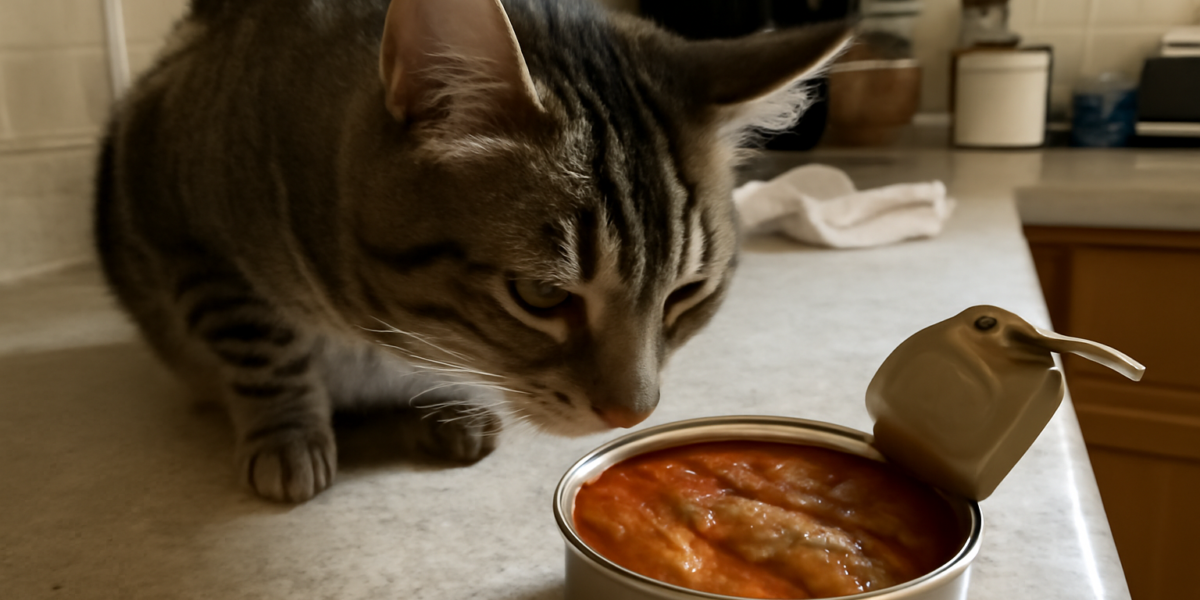
Cats should not eat sardines in tomato sauce on a regular basis. While plain sardines offer excellent nutritional benefits for cats, the tomato sauce component introduces several concerns including high sodium, citric acid, added sugars, and potentially harmful seasonings like garlic and onion. If your cat sneaks a bite, there is no need to panic, but this is not a food you should intentionally share with your feline companion.
Plain sardines packed in water are a far better option if you want to treat your cat to the omega-3 fatty acids, protein, and taurine that sardines naturally provide. The sauce is where the problems lie, and understanding those risks will help you make smarter choices about your cat’s treats and supplements.
Why Tomato Sauce Is Problematic for Cats
Ripe tomatoes in small amounts are generally considered non-toxic to cats, but tomato sauce is a very different product from a fresh tomato. Commercial tomato sauces are cooked down and concentrated, which amplifies certain compounds and introduces additives that are not feline-friendly.
The citric acid in concentrated tomato sauce can irritate a cat’s stomach lining. Cats have a more sensitive digestive tract than humans, and acidic foods can trigger vomiting, diarrhea, and abdominal discomfort. Some cats may experience acid reflux symptoms including lip-licking, gulping, and loss of appetite after eating acidic foods.
Most canned sardine products in tomato sauce also contain added sugar to balance the acidity. While a small amount of sugar is not toxic to cats, it provides empty calories and can contribute to weight gain and dental problems over time. Cats lack taste receptors for sweetness, so there is zero benefit to them from added sugars.
Sodium and Seasoning Dangers
The sodium content of canned sardines in tomato sauce is one of the biggest concerns for cat owners. A typical can contains between 300 and 500 milligrams of sodium, which vastly exceeds what a cat needs in an entire day. Adult cats require only about 21 milligrams of sodium daily to maintain normal body functions.
Excessive sodium intake puts stress on your cat’s kidneys and cardiovascular system. For older cats or those with pre-existing kidney disease, high-sodium foods can worsen their condition and lead to increased water consumption, more frequent urination, and elevated blood pressure.
Beyond sodium, many tomato sauce formulations include garlic powder, onion powder, or both for flavoring. These allium family members are toxic to cats and can damage red blood cells, potentially leading to a condition called Heinz body anemia. Even small, repeated exposures to garlic and onion can cause cumulative damage over time.
Always check the ingredient label carefully. If the tomato sauce lists garlic, onion, or any allium-derived ingredient, keep it away from your cat entirely.
Nutritional Benefits of Plain Sardines for Cats
Sardines themselves are actually a nutritious treat for cats when prepared properly. These small fish are packed with nutrients that support feline health in several ways.
Key nutritional benefits of plain sardines include:
- Omega-3 fatty acids (EPA and DHA) that support skin health, coat shine, and reduce inflammation
- High-quality animal protein that aligns with a cat’s obligate carnivore dietary needs
- Taurine, an essential amino acid that cats cannot produce on their own and need for heart and eye health
- Vitamin D and B12 for bone health and nervous system function
- Calcium from the soft, edible bones
For cats with dry skin, dull coats, or joint stiffness, the omega-3 content in sardines can provide noticeable improvement when offered as an occasional supplement to their regular diet. Many veterinarians recommend fish oil supplements for these conditions, and sardines offer a whole-food alternative.
How to Safely Feed Sardines to Your Cat
If you want your cat to enjoy sardines, choose the right product and serve it appropriately. The goal is to deliver the nutritional benefits of the fish while avoiding the problematic sauce, excessive sodium, and harmful additives.
Best sardine options for cats, ranked from ideal to acceptable:
- Fresh sardines, lightly steamed or poached with no seasoning
- Canned sardines packed in water with no added salt
- Canned sardines packed in spring water (may have some added sodium)
- Canned sardines in olive oil, drained and rinsed thoroughly
Serve sardines as an occasional treat, not a dietary staple. One to two small sardines per week is a reasonable amount for most adult cats. Break the fish into small, manageable pieces to prevent choking, especially if your cat tends to eat quickly.
If your cat has never eaten sardines before, start with a very small portion, roughly half a sardine, and watch for any digestive reaction over the next 24 hours. Some cats may have sensitivities to fish proteins, and it is better to discover this with a small test portion than a full serving.
Signs of Trouble After Eating Sardines in Tomato Sauce
If your cat has already eaten sardines in tomato sauce, watch for these symptoms that may indicate a negative reaction. Most mild cases resolve within 24 hours, but some situations warrant a call to your veterinarian.
Common symptoms to monitor:
- Vomiting or dry heaving within a few hours of eating
- Diarrhea or unusually soft stools
- Decreased appetite for the next meal
- Excessive thirst due to sodium intake
- Lethargy or hiding behavior
More serious symptoms that require immediate veterinary attention:
- Repeated vomiting that does not stop after a few hours
- Blood in vomit or stool
- Pale gums, which could indicate red blood cell damage from garlic or onion exposure
- Weakness or collapse
- Difficulty breathing
If the tomato sauce contained garlic or onion and your cat ate more than a small taste, contact your veterinarian even if symptoms have not appeared yet. Damage to red blood cells from allium toxicity can take several days to become apparent.
Better Fish Treat Options for Cats
Cats generally love fish, and there are plenty of safe ways to incorporate it into their diet as a treat. Beyond plain sardines, consider these alternatives that provide similar nutritional benefits without the risks of tomato sauce, heavy seasoning, or excessive sodium.
Plain cooked salmon, offered in small portions, provides omega-3 fatty acids similar to sardines. Just be sure to avoid smoked salmon, which carries its own sodium and parasite risks. Fresh or frozen fish that you cook at home gives you complete control over preparation.
Many pet stores carry freeze-dried fish treats made specifically for cats. These are typically single-ingredient products with no added salt, sauce, or preservatives. They make excellent training treats and can be crumbled over regular food as a flavor enhancer for picky eaters.
You might also explore whether cooked shrimp is a good treat option for your cat. Shrimp offers a different protein source and is another seafood that many cats find irresistible when prepared plain.
Frequently Asked Questions
Can I rinse the tomato sauce off sardines and feed them to my cat?
Rinsing will remove some of the surface sauce, but the sardines will have already absorbed sodium and flavorings from the sauce during the canning process. It is better than feeding them sauce and all, but sardines packed in plain water are a much safer choice from the start.
How often can I give my cat plain sardines?
One to two small sardines per week is a good guideline for most adult cats. Sardines should be a supplement to a complete and balanced cat food, not a replacement. Too much fish in a cat’s diet can lead to an imbalance of certain nutrients, particularly if it displaces their regular food.
Are sardines in olive oil safe for cats?
Sardines in olive oil are safer than those in tomato sauce, but the added fat can cause digestive upset in some cats. If you use olive oil sardines, drain them thoroughly and offer only a small amount. Sardines in water with no added salt remain the best canned option for cats.
Can kittens eat sardines?
Kittens over 12 weeks old can try a small taste of plain sardine mashed into a paste. Their digestive systems are still developing, so introduce any new food slowly and in tiny amounts. Kittens should be eating a complete kitten-formulated food as their primary diet, with treats making up no more than 10 percent of their caloric intake.
My cat loves tomato sauce. Is it ever okay to let them have some?
Occasional, tiny licks of plain tomato sauce without garlic or onion are unlikely to cause harm, but there is no nutritional reason to offer it. If your cat seems attracted to savory purees, pumpkin puree is a much safer option that provides fiber and digestive benefits. You can also visit our cat adoption hub for more resources on keeping your feline companion healthy and happy.


