
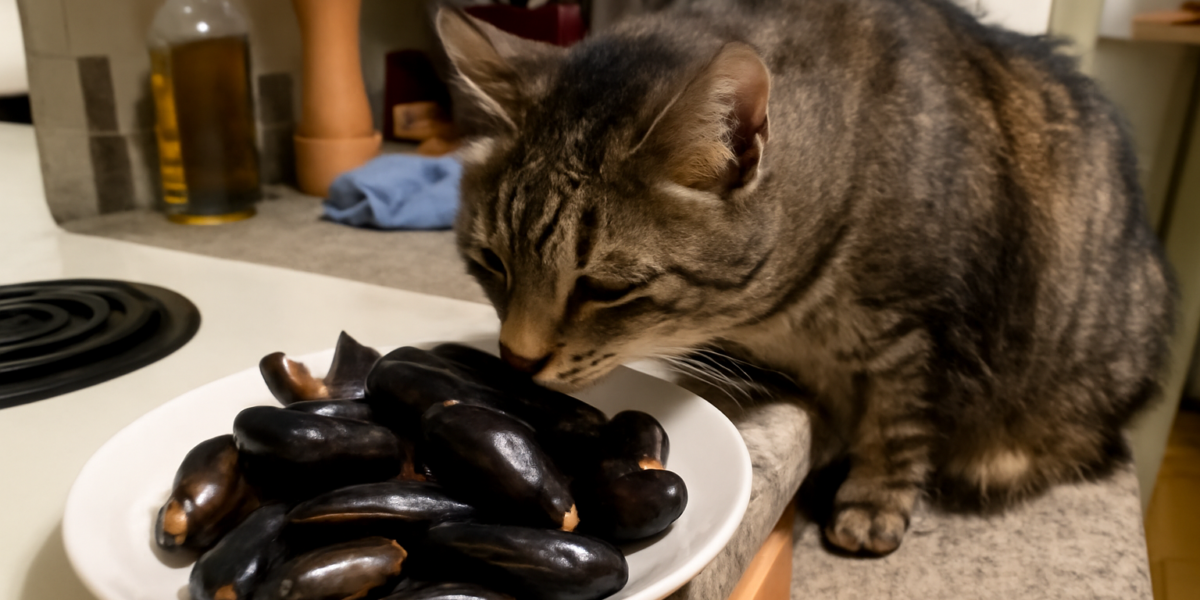
Can Cats Eat Mussels? Seafood Safety
Cats can eat mussels, but there are important considerations to keep in mind. While mussels can be a good source of nutrients, it’s crucial to serve them properly and in moderation to ensure your feline friend stays healthy.
In this article
Is Mussels Safe for Cats?
Mussels are generally safe for cats when prepared correctly. They should be cooked and free of any shells, seasonings, or additives that could harm your cat. Raw mussels may contain harmful bacteria that could lead to foodborne illnesses, so it’s essential to cook them thoroughly.
Nutritional Benefits of Mussels for Cats
Mussels are rich in protein, which is vital for a cat’s growth and maintenance. They also contain omega-3 fatty acids, which can support skin health and a glossy coat. Additionally, mussels are a source of essential minerals like zinc and iron, contributing to overall feline health.
Risks and Side Effects
While mussels can be beneficial, they also carry potential risks. Some cats may have allergies to seafood, leading to symptoms like itching or gastrointestinal upset. Mussels can also be high in sodium, which is not ideal for cats with certain health conditions. Make sure to consider alternatives like shrimp if your cat shows adverse reactions.
How to Serve Mussels to Your Cat
To serve mussels to your cat, follow these steps:
- Ensure the mussels are fresh and clean them properly.
- Cook them thoroughly by boiling or steaming without any added salt or seasoning.
- Remove the shells and chop the mussels into small, manageable pieces.
- Introduce them gradually into your cat’s diet to monitor any reactions.
How Much Mussels Can Cats Eat?
Mussels should be considered an occasional treat rather than a regular part of your cat’s diet. A small amount, such as a teaspoon of chopped mussels, is sufficient for a single serving. Overfeeding can lead to an imbalance in their diet and potential health issues.
Signs of an Adverse Reaction
Monitor your cat for any signs of an adverse reaction after consuming mussels. Symptoms can include vomiting, diarrhea, itching, or lethargy. If any of these occur, discontinue feeding mussels and consult your veterinarian. Learn more about other seafood options like sardines that might suit your cat better.
Frequently Asked Questions
Can cats eat raw mussels?
No, cats should not eat raw mussels due to the risk of bacterial contamination. Always cook mussels thoroughly before serving them to your cat.
Are mussels better than other seafood for cats?
Mussels can be a good option, but it’s important to diversify your cat’s diet with other protein sources. Compare with other seafood like tuna to determine the best choice for your feline friend.
How often can I feed mussels to my cat?
Mussels should be an occasional treat, fed no more than once a week, to ensure a balanced diet and prevent any potential health issues related to excessive seafood consumption.
What should I do if my cat has an allergic reaction to mussels?
If you notice any signs of an allergic reaction, such as itching or gastrointestinal distress, stop feeding mussels immediately and consult your veterinarian for guidance and alternative dietary options.


