
Last updated: April 9, 2026
In this article
Can Cats Eat Rice Cakes? Safety Guide for Cat Owners
If you have ever been snacking on rice cakes and noticed your cat staring at you with curiosity, you may have wondered whether it is safe to share a piece. Rice cakes are a popular low-calorie snack for humans, often praised for being light and simple. But does that simplicity translate into safety for your feline companion? Understanding what your cat can and cannot eat is an important part of responsible pet ownership, and rice cakes deserve a closer look before you hand one over.
Quick Answer: Can Cats Eat Rice Cakes?
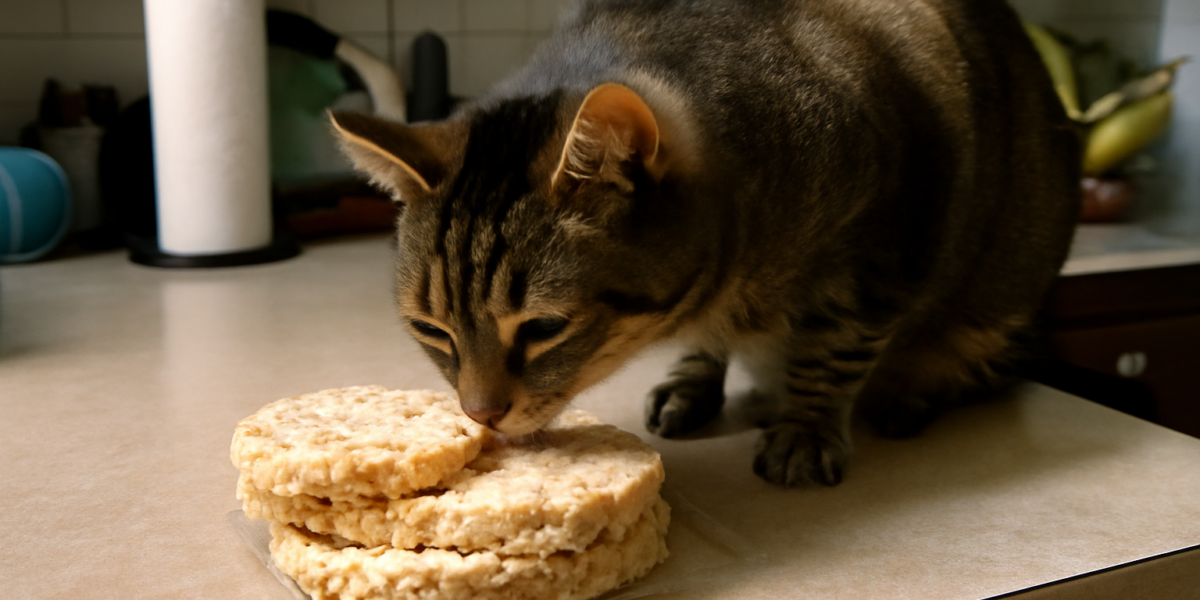
Yes, cats can eat plain rice cakes in very small amounts without immediate danger. Plain rice cakes are not toxic to cats, and a tiny piece offered occasionally is unlikely to cause serious harm. However, rice cakes provide almost no nutritional benefit to cats. As obligate carnivores, cats require a diet centered on animal-based protein, and rice cakes are composed almost entirely of carbohydrates. Flavored rice cakes, particularly those containing salt, garlic, onion powder, or artificial seasonings, should be strictly avoided as some of these ingredients are toxic to cats.
The bottom line is that while plain rice cakes are not poisonous, they are essentially empty calories for your cat and should not be considered a treat worth offering regularly.
Nutritional Considerations for Cats
To understand why rice cakes are a poor choice for cats, it helps to consider feline nutritional needs. Cats are obligate carnivores, meaning their bodies are designed to derive essential nutrients from animal tissue. They require high levels of protein, moderate amounts of fat, and specific nutrients like taurine, arachidonic acid, and vitamin A that are found naturally in meat.
A standard plain rice cake contains roughly 35 calories, 7 grams of carbohydrates, less than 1 gram of protein, and virtually no fat. It contains negligible amounts of vitamins and minerals. Cats have a limited ability to process carbohydrates compared to humans and dogs. Their digestive systems produce lower levels of amylase, the enzyme responsible for breaking down starches. While small amounts of cooked rice are generally tolerated, a diet high in carbohydrates can contribute to obesity, digestive upset, and other health issues in cats.
Rice cakes also lack moisture. Cats evolved to obtain much of their hydration from food, which is one reason wet food is often recommended. Dry, puffed rice provides no hydration benefit whatsoever.
Benefits and Risks of Feeding Rice Cakes to Cats
There are no meaningful health benefits to feeding rice cakes to your cat. The small amount of carbohydrate energy they provide is not something cats need, and there are no unique vitamins or minerals in rice cakes that your cat cannot get from a proper feline diet.
The risks, while generally mild for plain varieties, are worth noting:
- Choking hazard: Rice cakes have a dry, crumbly texture that can be difficult for cats to chew and swallow. Large pieces may pose a choking risk, especially for kittens or older cats with dental issues.
- Digestive discomfort: The high starch content can cause bloating, gas, or mild stomach upset in some cats, particularly those with sensitive digestive systems.
- Flavored varieties are dangerous: Many commercially available rice cakes contain garlic powder, onion powder, excessive salt, cheese flavoring, or artificial additives. Garlic and onion are toxic to cats even in small amounts, causing damage to red blood cells that can lead to anemia.
- Weight gain: Although rice cakes are low-calorie for humans, the carbohydrate content is unnecessary for cats. Regular consumption can contribute to weight gain over time, increasing the risk of diabetes and joint problems.
- Displacement of proper nutrition: If a cat fills up on rice cakes, it may eat less of its nutritionally complete cat food, leading to deficiencies over time.
How to Serve Rice Cakes Safely to Your Cat
If you decide to let your cat try a small piece of rice cake, follow these guidelines to minimize any risk:
First, ensure the rice cake is completely plain with no added flavors, salt, sugar, or seasonings of any kind. Check the ingredient list carefully, as even “plain” varieties sometimes contain added sodium or other additives.
Break the rice cake into very small pieces, no larger than the size of a pea. This reduces the choking risk and makes it easier for your cat to chew. You can also try lightly moistening the piece with a drop of water to soften it slightly, which can help with both chewing and digestion.
Offer only one or two small pieces at most, and treat this as a rare occurrence rather than a regular snack. Watch your cat while it eats to make sure it does not struggle with the texture. Always have fresh water available nearby.
Do not offer rice cakes to kittens, elderly cats, or cats with known digestive sensitivities, diabetes, or weight management issues. These groups are more vulnerable to the downsides of unnecessary carbohydrates.
Signs of Problems After Eating Rice Cakes
Most cats that eat a small amount of plain rice cake will be perfectly fine. However, you should monitor your cat for the following signs, especially if it consumed a flavored variety or ate a larger quantity than intended:
- Vomiting or retching: This may indicate that the rice cake is not sitting well in your cat’s stomach or that a piece became lodged in the throat.
- Diarrhea or loose stools: The starch content may cause digestive upset, particularly in cats that are not accustomed to carbohydrate-heavy foods.
- Lethargy or weakness: If your cat consumed a flavored rice cake containing garlic or onion powder, watch for signs of toxicity including lethargy, pale gums, and decreased appetite. These symptoms may not appear immediately and can develop over 24 to 72 hours.
- Excessive thirst: If the rice cake contained added salt, your cat may drink more water than usual. In severe cases, excessive sodium intake can lead to sodium ion poisoning.
- Loss of appetite: A general refusal to eat following the snack may suggest stomach discomfort.
If you notice any of these symptoms, especially signs consistent with garlic or onion toxicity, contact your veterinarian promptly. When in doubt, it is always better to seek professional advice rather than wait for symptoms to resolve on their own.
Healthy Alternatives to Rice Cakes for Cats
If you want to offer your cat a treat, there are far better options than rice cakes that align with their carnivorous dietary needs:
- Small pieces of cooked chicken or turkey: Plain, unseasoned, boneless poultry is an excellent treat that provides the protein cats need.
- Cooked salmon or tuna: Offered in small amounts, plain cooked fish can be a highly appealing and nutritious treat. Avoid canned fish packed in oil or salt.
- Commercial cat treats: High-quality cat treats are formulated to be both appealing and nutritionally appropriate for felines.
- Freeze-dried meat treats: These single-ingredient treats made from chicken, fish, or other proteins are convenient and cats tend to love them.
- Small amounts of cooked egg: Scrambled or hard-boiled egg without seasoning provides protein and is generally well-tolerated by cats.
Choosing treats that complement your cat’s natural dietary requirements is the best way to show your feline friend love without compromising their health. If you are considering adopting a cat, understanding proper feline nutrition from the start will set you up for success as a pet parent.
Frequently Asked Questions
Can kittens eat rice cakes?
No, it is best to avoid giving rice cakes to kittens. Kittens have developing digestive systems and very specific nutritional requirements for growth. They need calorie-dense, protein-rich food, and rice cakes offer none of the nutrients a growing kitten needs. The choking risk is also higher for kittens due to their smaller throats.
Are rice cakes with peanut butter safe for cats?
While plain peanut butter in very small amounts is not toxic to most cats, the combination of peanut butter and rice cakes creates a sticky, high-carbohydrate snack that is not appropriate for felines. Some peanut butters also contain xylitol, an artificial sweetener that is extremely toxic to pets. It is best to skip this combination entirely.
Can cats eat brown rice cakes?
Brown rice cakes are no more beneficial for cats than white rice cakes. While brown rice contains slightly more fiber and nutrients than white rice from a human perspective, these differences are negligible for cats. The same rules apply: plain only, tiny pieces, and very rarely.
How often can I give my cat rice cakes?
If you choose to offer rice cakes at all, limit it to no more than once or twice a month, and only a small piece each time. Treats of any kind, including rice cakes, should make up no more than 10 percent of your cat’s daily caloric intake. Given that rice cakes provide no nutritional value to cats, less is always better.
What should I do if my cat ate a flavored rice cake?
Check the ingredient list for toxic substances like garlic powder, onion powder, or xylitol. If any of these ingredients are present, contact your veterinarian immediately, even if your cat appears fine. Symptoms of toxicity may be delayed. If the flavoring was simply salt or cheese, monitor your cat for signs of digestive upset and ensure fresh water is readily available. You can also learn about other foods and their safety for cats by exploring our guide on whether cats can eat tortillas.
Do rice cakes help with cat hairballs?
No, rice cakes do not help with hairballs. While some sources suggest that fiber can aid in moving hairballs through the digestive tract, rice cakes do not contain enough fiber to make a difference. If your cat struggles with frequent hairballs, speak with your veterinarian about specialized hairball control foods or supplements designed for cats.


