
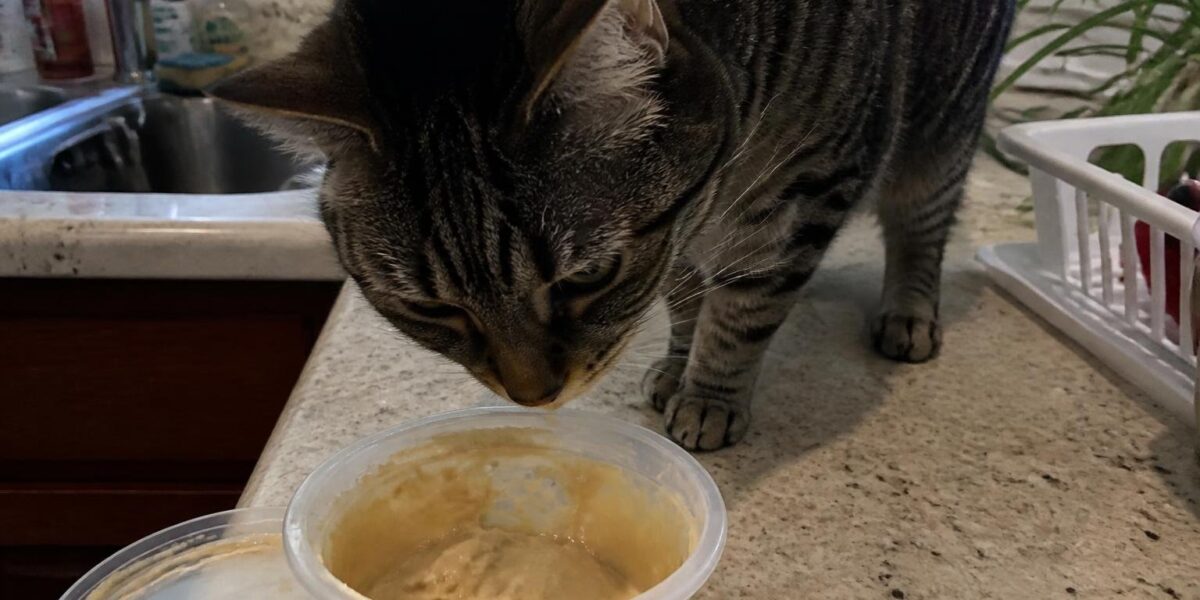
Can Cats Eat Tahini? The Short Answer
Tahini isn’t toxic to cats, so a tiny lick won’t poison a healthy cat — but it’s high in fat, calorie-dense, and offers an obligate carnivore very little, which puts it firmly in the “moderation to avoid” category. Tahini is a paste made from ground sesame seeds, common in hummus and Middle Eastern cooking. Cats are built to eat meat, not seed pastes, so while a small taste is generally safe, there’s no good reason to make it part of your cat’s diet.
In this article
So can cats eat tahini? A fingertip-sized amount of plain tahini now and then won’t hurt most healthy cats, but it’s rich and easy to overdo. The bigger risk comes from flavored or seasoned versions, and from the fat load that can upset a cat’s stomach. For most cats, the honest answer is that tahini is best avoided.
Why Tahini Isn’t a Good Fit for Cats
Cats are obligate carnivores, designed to get their nutrition from animal protein and fat rather than plant-based seeds. Tahini’s nutrients — while healthy for humans — don’t address anything a cat actually needs.
For a cat, tahini brings:
- High fat content, which is calorie-dense and can trigger stomach upset or, in sensitive cats, pancreatitis.
- Plant protein, which cats use far less efficiently than animal protein.
- Fiber and minerals a complete cat diet already provides.
- A thick, sticky texture that some cats find hard to manage.
None of this is dangerous in a tiny amount, but none of it is beneficial either. Tahini is simply an unnecessary, fatty extra for a carnivore. It’s also calorie-dense in a way that’s easy to underestimate — a small dab carries a surprising amount of fat and energy relative to a cat’s modest daily needs.
People sometimes assume that because tahini is a wholesome, nutrient-dense food for humans, a little must be good for cats too. With an obligate carnivore, that reasoning doesn’t apply. A cat’s body is built so specifically around animal protein and fat that the benefits people get from sesame paste simply don’t translate. Tahini won’t improve your cat’s coat or health the way quality cat food and good care will — instead, its heavy fat content can upset their stomach or, in sensitive cats, trigger pancreatitis. The kindest approach is to keep tahini for your own toast and feed your cat the meat-based nutrition they’re designed for.
The Fat and Flavoring Concerns
The main reason to limit tahini is fat. It’s a concentrated, oily paste, and too much can cause vomiting, diarrhea, or a bout of pancreatitis in cats prone to it. Because cats are small, it doesn’t take much fatty food to tip them over, so portions must stay tiny.
The second concern is what tahini is mixed into. Plain tahini is one thing, but cats are more likely to encounter it as part of hummus or dips, which often contain garlic, lemon, and salt. Garlic is toxic to cats, and the salt and acidity add further problems. Never let your cat lick hummus, garlic-seasoned dips, or any flavored tahini blend — only plain, unsalted tahini is even a candidate for a taste.
How Much Tahini Can a Cat Have?
Very little, if any at all:
- A fingertip-sized dab of plain, unsalted tahini is the most to offer, and only occasionally.
- Never offer it as a regular treat — the fat adds up quickly.
- Skip it entirely for overweight cats, those prone to pancreatitis, and kittens.
If you do let your cat sample plain tahini, watch for any digestive upset over the next day. Loose stools or vomiting mean it doesn’t agree with them and you should stop. Honestly, given the fat content and the lack of benefit, most cats are better off without it. There are so many leaner, more appropriate treats available that there’s rarely a good reason to reach for a fatty seed paste in the first place.
Better Treats for a Carnivore
If you want to treat your cat to something they’ll enjoy and actually use, choose meat or fish over seed pastes. These suit a cat’s biology and provide real, usable protein.
See our guides on whether cats can eat chicken and whether cats can eat salmon for protein-rich, cat-appropriate options. If you’re curious about other spreadable human foods, our notes on whether cats can eat peanut butter cover a similar high-fat paste and the same moderation logic that applies to tahini.
Why Fat Is Such a Concern for Cats
The fat content is the heart of why tahini sits in the “limit or avoid” category, so it’s worth understanding why cats are so sensitive to fatty foods. Cats are small animals, and what looks like a tiny dab to us can be a significant fat load relative to their body size.
A sudden hit of rich, fatty food can cause two main problems:
- Digestive upset, with vomiting or diarrhea as the system struggles to process the fat.
- Pancreatitis, an inflammation of the pancreas that ranges from uncomfortable to genuinely serious, especially in cats already prone to it.
On top of the acute risks, fatty extras contribute a lot of calories, and obesity is a common and harmful problem in cats. Because tahini packs so much fat into a small amount, it’s an easy food to overdo without realizing it. That combination — small cat, concentrated fat, no nutritional upside — is exactly why most cats are better off without it.
Spotting Tahini in Other Foods
Cats rarely encounter plain tahini on its own. Far more often, it’s blended into other foods, and those mixtures are where the real risks lie. Knowing where tahini hides helps you keep your cat away from the problematic versions.
Tahini is a key ingredient in:
- Hummus, which almost always contains garlic — toxic to cats — plus salt and lemon.
- Baba ganoush and other dips that often include garlic and seasoning.
- Halva and sesame sweets, which are loaded with sugar.
- Dressings and sauces that may include garlic, onion, salt, and acids.
Before letting your cat near any leftover or scrap, consider what’s actually in it. When tahini comes packaged with garlic, salt, or sugar — as it usually does — the safe answer is to keep your cat out of it completely. A lick of plain, unsalted tahini is the only version that’s even a candidate for a rare taste.
When to Be Cautious
A small lick of plain tahini rarely causes serious harm, but contact your veterinarian if your cat eats a large amount, gets into a garlic-containing hummus or dip, or shows repeated vomiting, diarrhea, lethargy, or a painful belly. Sesame allergies are uncommon in cats but possible, so watch for itching or swelling too.
For everyday treats, the simplest choice is to skip tahini and reach for foods cats are designed to eat. If you’re ever unsure whether a human food fits your cat’s diet — especially with conditions like pancreatitis or weight issues — your veterinarian is the best person to ask.
Frequently Asked Questions
Is tahini safe for cats?
Plain tahini isn’t toxic, so a tiny lick won’t harm most healthy cats. But it’s high in fat and offers no real benefit to a carnivore, so it’s best limited to a rare taste or avoided altogether.
Can cats eat hummus?
No. Hummus usually contains garlic, which is toxic to cats, plus salt and lemon. Keep hummus and garlic-seasoned dips away from your cat entirely.
Why is tahini not recommended for cats?
It’s a fatty seed paste that can cause stomach upset or pancreatitis in sensitive cats, and as an obligate carnivore your cat gains nothing from its plant-based nutrients.
My cat licked some tahini — should I worry?
A small amount of plain tahini is usually fine. Watch for vomiting or diarrhea, and call your veterinarian if your cat ate a lot, got into a garlic-containing dip, or seems unwell.
Are sesame seeds toxic to cats?
Sesame seeds aren’t toxic to cats, but they offer no real nutritional benefit and the seeds and pastes are high in fat. Like tahini, they’re best limited to a rare, tiny taste at most, and never as part of a garlicky or salty dish.
Can cats eat tahini if they have a sensitive stomach?
It’s better to skip it. The high fat content can easily upset a sensitive stomach and, in some cats, contribute to pancreatitis. Choose a lean, meat-based treat instead, and check with your vet about foods that suit your cat’s digestion.


