
Last updated: April 8, 2026
In this article
Can Dogs Eat Bagels? Safety Guide and Tips
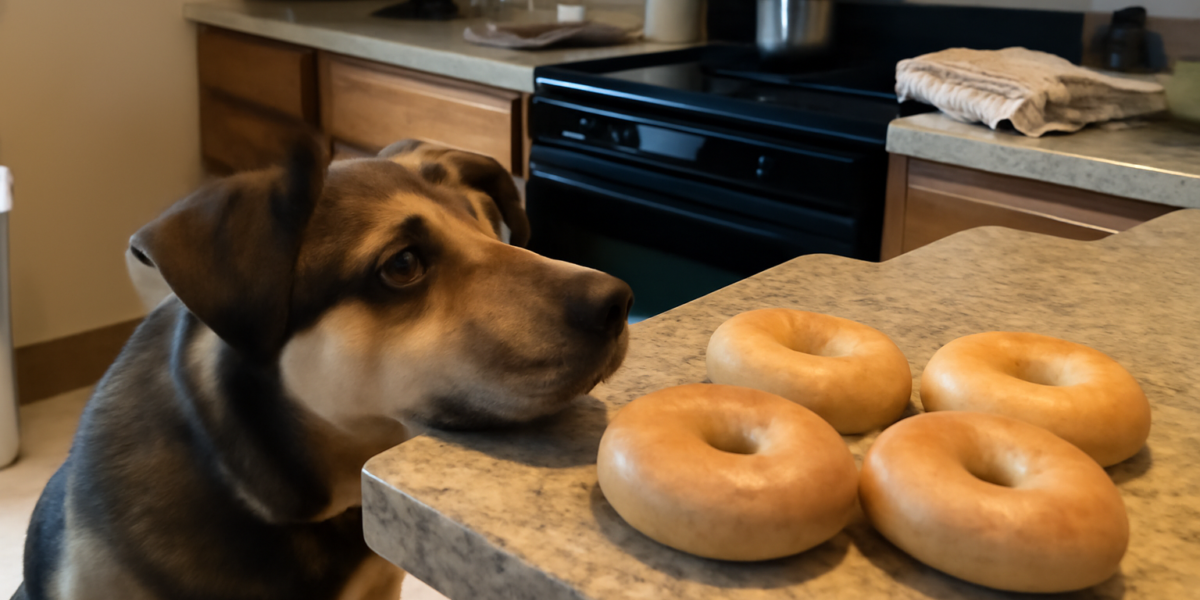
Bagels are a breakfast staple in many households, and it is only natural to wonder whether your dog can safely share a bite of your morning treat. Whether you are pulling a fresh bagel from the toaster or tearing off a piece at brunch, those hopeful puppy eyes can be hard to resist.
The short answer is that plain bagels are not toxic to dogs, but they are far from an ideal snack. Bagels are dense, calorie-heavy bread products that can contribute to weight gain and digestive issues if given regularly. Understanding which types of bagels are safe — and which are dangerous — is essential for keeping your furry friend healthy.
Quick Answer: Can Dogs Eat Bagels?
Yes, dogs can eat small pieces of plain bagels on rare occasions without serious harm. A plain bagel — one without any toppings, seasonings, or fillings — is not toxic to dogs. However, bagels are essentially empty calories for your pet and should never become a regular part of their diet.
The real danger lies in flavored and topped bagels. Everything bagels contain garlic and onion, both of which are toxic to dogs. Raisin bagels pose an even greater threat, as grapes and raisins can cause acute kidney failure in dogs, even in small amounts. Bagels topped with cream cheese, butter, or other spreads add unnecessary fat and calories.
If you want to share a small piece of plain bagel with your dog as an occasional treat, it is unlikely to cause any problems. Just be sure to check the ingredient list, keep portions tiny, and never make it a habit. Your dog will be much better served by treats designed for their nutritional needs.
Nutritional Profile of Bagels
A standard plain bagel weighing about 105 grams contains a significant amount of calories and carbohydrates relative to its nutritional value for dogs. Here is a typical breakdown:
- Calories: Approximately 270-290 calories per bagel
- Carbohydrates: 53-56 grams, primarily from refined flour
- Protein: 10-11 grams
- Fat: 1.5-2 grams
- Fiber: 2-3 grams
- Sodium: 400-500 milligrams
- Iron: About 3.5 milligrams
- B Vitamins: Small amounts of thiamin, niacin, and folate
While bagels do contain some protein and trace minerals, the high carbohydrate and calorie content makes them a poor nutritional choice for dogs. A single bagel can represent a significant portion of a small dog’s daily caloric intake, making weight management difficult if bagels are offered frequently.
Benefits and Risks of Bagels for Dogs
Benefits
- Non-Toxic (Plain): A plain bagel without harmful toppings will not poison your dog, making it a safe occasional bite if nothing else is available.
- Source of Quick Energy: The carbohydrates in bagels provide a quick source of energy, which could be useful in rare situations where a dog needs a caloric boost.
- Moderate Protein Content: Bagels contain some protein from wheat gluten, which can contribute a small amount to your dog’s protein needs.
- Training Treat Alternative: Very small torn pieces of plain bagel can work as an occasional high-value training treat when you have run out of regular dog treats.
Risks
- High Calorie Density: A single bagel contains nearly 300 calories, which is a substantial portion of a small dog’s daily caloric needs and can quickly contribute to obesity.
- Toxic Toppings and Flavors: Garlic, onion, raisins, xylitol (in some sugar-free varieties), and certain seeds can be toxic or dangerous for dogs.
- Digestive Upset: The dense, doughy texture of bagels can cause bloating, gas, and stomach discomfort, especially in dogs with sensitive stomachs or those unaccustomed to wheat-based foods.
- Wheat and Gluten Sensitivities: Some dogs have allergies or sensitivities to wheat and gluten, which can trigger itching, ear infections, and gastrointestinal symptoms.
- Choking Hazard: Bagels have a dense, chewy texture that can pose a choking risk, particularly for small dogs or dogs that gulp their food without chewing properly.
- High Sodium Content: The salt content in bagels can contribute to excessive thirst, dehydration, and in extreme cases sodium ion poisoning if a dog consumes large quantities.
How to Serve Bagels Safely to Your Dog
If you decide to share a small piece of bagel with your dog, follow these preparation guidelines to minimize any risks:
First, always choose a plain bagel with no toppings, seasonings, or fillings. Check the ingredient list carefully for garlic powder, onion powder, raisins, or artificial sweeteners like xylitol. Remove any seeds, cream cheese, or butter before offering a piece to your dog.
Tear the bagel into small, bite-sized pieces appropriate for your dog’s size. Avoid giving large chunks that could pose a choking hazard, and never offer an entire bagel to your dog regardless of their size.
Recommended portion sizes for an occasional treat:
- Small dogs (under 20 lbs): No more than a thumbnail-sized piece, roughly one-eighth of a bagel at most
- Medium dogs (20-50 lbs): Up to a quarter of a plain bagel, torn into small pieces
- Large dogs (over 50 lbs): Up to a third of a plain bagel, torn into manageable pieces
Bagels should be offered no more than once a week at the absolute most, and ideally much less frequently. Always account for the extra calories in your dog’s daily food intake to prevent weight gain over time.
Signs of Problems After Eating Bagels
Most dogs will handle a small piece of plain bagel without any issues. However, watch for the following symptoms, which could indicate digestive upset or a more serious reaction:
- Vomiting or dry heaving
- Diarrhea or loose stools
- Excessive gas or bloating
- Lethargy or decreased appetite
- Excessive drooling
- Abdominal pain or discomfort (whining, reluctance to move, hunched posture)
If your dog ate a flavored bagel containing garlic, onion, or raisins, seek veterinary attention immediately. Symptoms of garlic or onion toxicity include pale gums, weakness, and dark-colored urine. Raisin toxicity can cause vomiting, decreased urination, and signs of kidney failure. Do not wait for symptoms to appear — contact your veterinarian or an emergency animal poison control hotline right away.
For dogs with wheat or gluten sensitivities, watch for signs of an allergic reaction such as itching, hives, swelling around the face, or worsening of chronic skin or ear conditions. Consult your veterinarian if you notice any of these signs.
Healthy Alternatives to Bagels
Instead of sharing bagels with your dog, consider these healthier and more nutritious alternatives that dogs tend to love:
- Carrot Sticks: Low in calories and high in fiber and beta-carotene, carrots make an excellent crunchy treat for dogs of all sizes.
- Apple Slices: Remove the seeds and core, then offer thin slices of apple for a naturally sweet, vitamin-rich snack.
- Plain Cooked Sweet Potato: Packed with vitamins A, C, and B6, sweet potato offers far more nutrition than a bagel in a dog-safe package.
- Blueberries: These antioxidant-rich berries are small, low-calorie, and safe for dogs, making them an ideal training treat.
- Plain Rice Cakes: If your dog enjoys a bread-like texture, plain unsalted rice cakes are a lighter, lower-calorie option.
- Watermelon: Seedless watermelon is hydrating, low in calories, and a refreshing treat on warm days.
Looking to give a dog a loving home and provide them with the best nutrition? Visit our adoption page to meet dogs waiting for their forever families at Walk Me Home Rescue.
Frequently Asked Questions
Can dogs eat everything bagels?
No, dogs should never eat everything bagels. They contain garlic and onion seasoning, both of which are toxic to dogs. Even small amounts of garlic and onion can damage a dog’s red blood cells and lead to anemia. Always stick to plain bagels only if you choose to share.
Can dogs eat bagels with cream cheese?
It is best to avoid giving your dog bagels with cream cheese. While small amounts of plain cream cheese are not toxic to most dogs, the combination of a calorie-dense bagel with high-fat cream cheese provides excessive calories and fat. Dogs that are lactose intolerant may also experience digestive upset from dairy products.
What should I do if my dog ate a raisin bagel?
Contact your veterinarian or an emergency animal poison control center immediately. Raisins are highly toxic to dogs and can cause acute kidney failure. Do not wait for symptoms to appear. Early treatment significantly improves the chances of a full recovery. Your vet may induce vomiting and provide supportive care.
Can puppies eat bagels?
It is best not to give bagels to puppies. Puppies have specific nutritional needs for growth and development that bagels do not support. Their digestive systems are also more sensitive, making them more prone to stomach upset from dense, high-carbohydrate foods. Stick to puppy-formulated food and vet-approved treats.
Are bagels better or worse for dogs than regular bread?
Bagels are generally worse than regular bread for dogs because they are denser and higher in calories. A single bagel typically contains about twice the calories of a slice of bread. Both are nutritionally poor choices for dogs, but if you must share, a small piece of plain white or wheat bread is the lighter option.
Can dogs eat toasted bagels?
Yes, a small piece of toasted plain bagel is fine for dogs. Toasting does not add any harmful substances. However, be aware that toasted bagel pieces can be harder and crunchier, so tear them into appropriately small pieces to reduce the risk of choking, especially for smaller dogs.
When it comes to your dog’s diet, simple and nutritious whole foods are always a better choice than processed bread products like bagels. If you have questions about what foods are safe for your specific dog, consult your veterinarian for personalized guidance. For more pet food safety guides, explore our other articles in the Can Dogs Eat series. And if you are ready to welcome a new furry companion into your life, check out the wonderful dogs available for adoption at Walk Me Home Rescue.


