
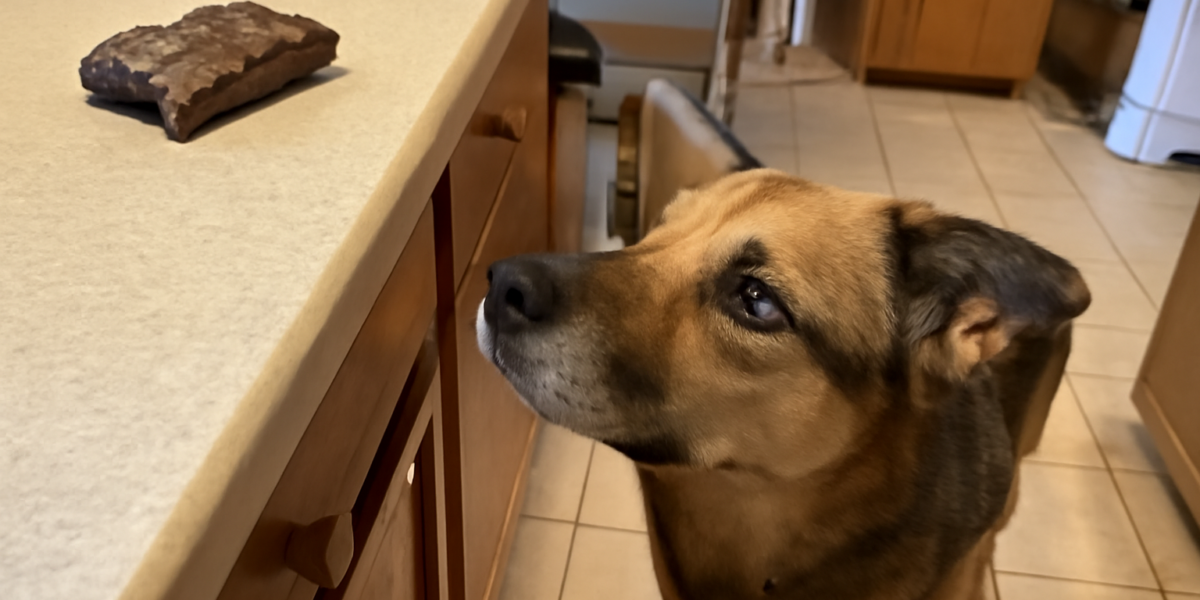
Is Bison Liver Safe for Dogs?
Yes, dogs can eat bison liver, and it is one of the most nutrient-dense organ meats you can offer. Bison liver is packed with high-quality protein, iron, B vitamins, and vitamin A — making it a powerhouse supplement to your dog’s regular diet. If you have been wondering whether can dogs eat bison liver, the verdict is that it is safe and highly beneficial when fed in appropriate amounts.
In this article
Bison is a lean, grass-fed game meat that many dogs tolerate well, even those with sensitivities to more common proteins like chicken or beef. Because bison are typically raised without antibiotics or hormones, their organ meats tend to be cleaner than conventional options. However, like all liver, bison liver is extremely rich in vitamin A, so portion control is essential.
As with any dietary change, discuss bison liver with your veterinarian before making it a regular addition, especially if your dog has an existing health condition or is on a prescription diet.
Nutritional Benefits of Bison Liver
Bison liver delivers an impressive nutritional punch in a small serving. Here is what makes it such a prized ingredient in raw and home-cooked dog diets.
Protein. Bison liver provides about 20 grams of high-quality, complete protein per three-ounce serving. This supports muscle maintenance, immune function, and overall cellular repair.
Iron. Organ meats are rich in heme iron, the most bioavailable form. Iron supports oxygen transport in the blood and is especially valuable for active dogs or those recovering from surgery or illness.
B vitamins. Bison liver is exceptionally high in vitamin B12, riboflavin, niacin, and folate. These vitamins play roles in energy metabolism, nervous system health, and red blood cell formation.
Vitamin A. Essential for vision, skin health, and immune function. However, this is also the nutrient that demands careful portioning — too much vitamin A over time leads to toxicity.
Copper and zinc. Both trace minerals are present in meaningful amounts and support enzyme function, coat quality, and wound healing.
Compared to conventional beef liver, bison liver has a similar nutritional profile but tends to be leaner, with slightly less saturated fat. The taste is often described as milder, which can be an advantage for dogs that are picky about strong organ-meat flavors.
Verdict: Safe in Moderation
Bison liver is safe and nutritious for dogs when fed as a small part of their overall diet. The general rule for organ meats is that liver should make up no more than 5 percent of your dog’s total food intake. Going above this threshold regularly raises the risk of vitamin A toxicity, which can cause serious health problems over time.
Think of bison liver as a supplement — a few servings per week alongside your dog’s balanced meals. It should never replace a complete dog food or become the primary protein source.
Safe Portions by Dog Size
Portioning organ meats correctly is critical because the vitamin A concentration in liver is remarkably high. Use these guidelines as a starting point and adjust based on your veterinarian’s recommendations.
- Small dogs (under 20 lbs): Half a tablespoon to one tablespoon of diced bison liver, two to three times per week.
- Medium dogs (20–50 lbs): One to two tablespoons of diced bison liver, two to three times per week.
- Large dogs (50–80 lbs): Two to three tablespoons of diced bison liver, two to three times per week.
- Extra-large dogs (over 80 lbs): Three to four tablespoons of diced bison liver, two to three times per week.
If your dog has never eaten bison liver before, start with half the suggested amount and observe for any digestive changes over 48 hours. Some dogs experience loose stool when organ meats are introduced too quickly.
For dogs on a complete raw diet following the 80-10-5-5 model, bison liver fills the 5-percent liver category perfectly. Weigh portions on a kitchen scale for accuracy — eyeballing organ meats often leads to overfeeding.
How to Prepare Bison Liver for Dogs
Bison liver can be served raw, lightly cooked, or dehydrated into treats. Each method has its merits.
Raw
Raw feeders prize fresh or frozen-then-thawed bison liver for its intact enzymes and full nutrient profile. Source from a reputable supplier that handles game meat with proper cold-chain practices. Freeze the liver at 0°F for at least two weeks before feeding raw to reduce parasite risk.
Lightly Cooked
A quick sear in a dry pan or a gentle simmer for five minutes makes bison liver easier to handle and reduces bacterial risk without destroying significant nutrients. Avoid adding oil, butter, salt, or seasonings.
Dehydrated
Dehydrated bison liver makes excellent training treats. Slice the liver thin, place it on dehydrator trays, and dry at 155°F for eight to ten hours. Store in an airtight container in the fridge for up to two weeks. Remember that dehydration concentrates nutrients, so you need smaller pieces than you would with fresh liver.
Trouble Signs to Watch For
While bison liver is well-tolerated by most dogs, there are warning signs that indicate you should cut back or stop feeding it.
Immediate digestive upset. Loose stool, diarrhea, or vomiting within 24 hours of feeding may mean you offered too much too soon or that your dog has a sensitivity to bison protein. Reduce the portion or try a different liver source.
Signs of vitamin A toxicity (chronic overfeeding). If liver is fed in excess over weeks or months, watch for:
- Stiffness or reluctance to move, especially in the morning
- Swollen or painful joints
- Loss of appetite and weight loss
- Dry, flaky skin or unusual hair loss
- Lethargy and general malaise
Allergic reaction. Although rare with novel proteins like bison, some dogs may show signs of food allergy including itchy skin, ear infections, or chronic gastrointestinal issues. If these symptoms appear after introducing bison liver, discontinue and consult your vet.
If you suspect vitamin A toxicity or any adverse reaction, stop feeding liver immediately and schedule a veterinary appointment. A blood panel can assess vitamin A levels and liver function.
Bison Liver vs. Other Organ Meats
How does bison liver stack up against other popular organ meats for dogs? Here is a quick comparison to help you build variety into your dog’s diet.
Bison liver vs. beef liver. Nutritionally similar, but bison tends to be leaner and is more likely to be grass-fed. Bison is also a less common protein, making it a good option for dogs with beef sensitivities.
Bison liver vs. chicken liver. Chicken liver is more affordable and widely available but has a higher fat content per ounce. Bison liver offers a novel protein advantage and slightly more iron.
Bison liver vs. goat tripe. These are different organ categories entirely. Tripe (stomach lining) is lower in vitamin A and higher in digestive enzymes and probiotics. Rotating between liver and tripe gives your dog a broader range of organ-meat benefits.
For more on alternative organ meats and animal parts, check out our articles on goat tripe benefits for dogs and chicken cartilage for joint support. You might also find our guide on duck feet as a crunchy treat worth exploring.
Frequently Asked Questions
Can puppies eat bison liver?
Puppies over 12 weeks old can have small amounts of bison liver — about half the adult portion for their weight range — once or twice a week. Their growing bodies are more sensitive to nutrient excesses, so keep portions conservative and prioritize a complete puppy food as their main diet.
Where can I buy bison liver for my dog?
Bison liver is available at specialty butcher shops, farmers’ markets, and online raw pet food retailers. Some raw dog food subscription services include bison organs in their rotation. Look for grass-fed, hormone-free sources for the highest quality.
Can I mix bison liver with my dog’s kibble?
Yes, finely diced or lightly cooked bison liver makes a great kibble topper. It adds flavor, moisture, and nutrition. Just count it toward your dog’s daily calorie and organ-meat allowance to avoid overfeeding.
Is bison liver safe for dogs with pancreatitis?
Dogs with a history of pancreatitis need a low-fat diet. While bison liver is relatively lean, it still contains some fat and is very rich. Consult your veterinarian before offering any organ meats to a dog with pancreatic issues.
How does freeze-dried bison liver compare to fresh?
Freeze-dried bison liver retains most of the original nutrients but in a concentrated form because the moisture has been removed. Adjust portion sizes accordingly — a small piece of freeze-dried liver is nutritionally equivalent to a larger piece of fresh liver.
Thinking about adding a furry companion to your family? Visit our dog adoption hub to browse adoptable dogs, or check out the dog care blog for more tips on nutrition and wellness.


