
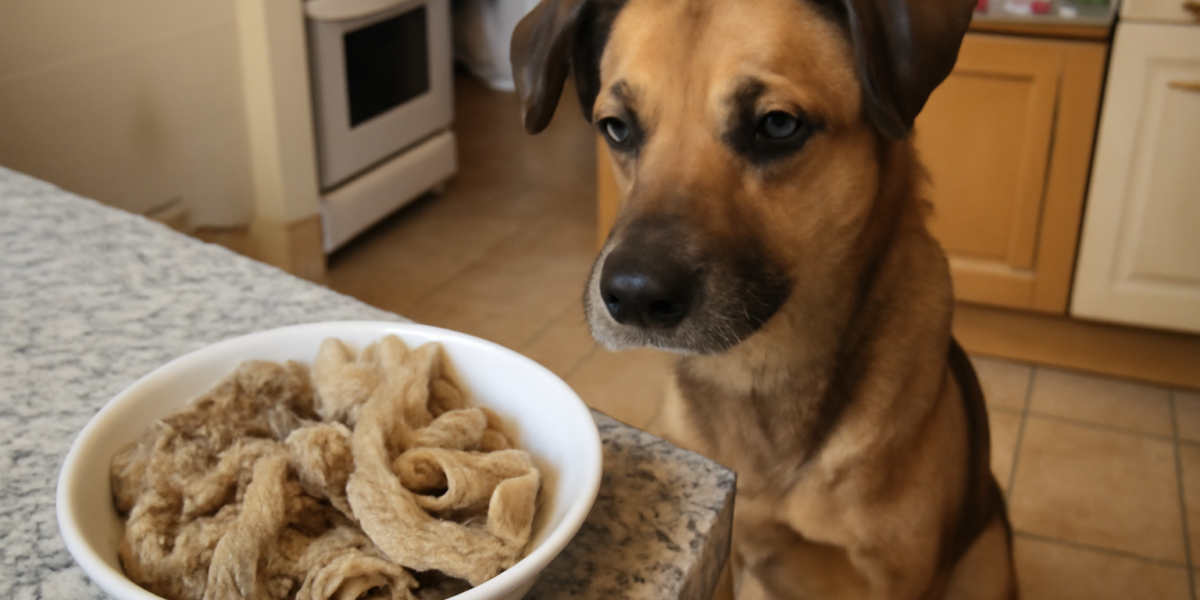
Is Goat Tripe Safe for Dogs?
Yes, dogs can eat goat tripe, and many raw-feeding enthusiasts consider it one of the best organ meats you can offer. Goat tripe — specifically green tripe, which is the unprocessed stomach lining — is packed with digestive enzymes, probiotics, and a balanced calcium-to-phosphorus ratio that supports canine health from the gut outward. If you have been asking whether can dogs eat goat tripe, the verdict is a resounding yes for most healthy dogs.
In this article
Green tripe differs significantly from the bleached white tripe sold in grocery stores for human consumption. The bleaching and processing strips away the very enzymes and beneficial bacteria that make tripe valuable for dogs. When sourcing goat tripe for your pet, always look for the raw, unprocessed green variety.
As with any new food, introduce goat tripe gradually and consult your veterinarian if your dog has existing digestive issues or is on a restricted diet.
What Makes Green Goat Tripe Special
Green tripe has earned almost cult-like status in the raw-feeding community, and the enthusiasm is backed by genuine nutritional merit. Here is what sets it apart from other organ meats.
Digestive enzymes. The stomach lining of ruminant animals like goats contains natural digestive enzymes that can help your dog break down and absorb nutrients more efficiently. These enzymes are destroyed by cooking, which is why raw or gently processed green tripe is preferred.
Probiotics and beneficial bacteria. Green tripe teems with Lactobacillus acidophilus and other beneficial microorganisms from the goat’s digestive process. These probiotics support a healthy gut microbiome in dogs, which is linked to better digestion, stronger immunity, and even improved mood.
Balanced calcium-to-phosphorus ratio. Green tripe has a roughly 1:1 calcium-to-phosphorus ratio, which is considered ideal for dogs. This makes it a self-balancing food that does not require supplementation when included as part of a varied raw diet.
Amino acid profile. Tripe provides essential amino acids in a highly digestible form, along with meaningful amounts of manganese, iron, zinc, and selenium.
Low in vitamin A. Unlike liver, tripe is not excessively high in vitamin A, so the risk of toxicity from overfeeding is much lower. This makes it a safer organ-meat option for dogs who already get liver in their rotation.
Verdict: Highly Beneficial for Most Dogs
Goat tripe is safe, nutritious, and often well-tolerated even by dogs with sensitive stomachs. Veterinary nutritionists frequently recommend green tripe as part of a raw or supplemental feeding program because of its gut-health benefits and balanced nutrient profile.
The main consideration is sourcing quality product and managing the intense smell. Green tripe has a pungent odor that most humans find extremely unpleasant — but dogs go absolutely wild for it. That strong smell is actually a sign that the beneficial bacteria and enzymes are intact.
Safe Portions by Dog Size
Green goat tripe can be fed more generously than liver because it does not carry the same vitamin A toxicity risk. However, it should still be introduced gradually to avoid digestive upset.
- Small dogs (under 20 lbs): One to two tablespoons of green goat tripe per day, or two to three ounces per serving a few times per week.
- Medium dogs (20–50 lbs): A quarter cup to half a cup per day, or four to six ounces per serving a few times per week.
- Large dogs (50–80 lbs): Half a cup to three-quarters of a cup per day, or six to eight ounces per serving a few times per week.
- Extra-large dogs (over 80 lbs): Three-quarters of a cup to one cup per day, or eight to twelve ounces per serving a few times per week.
For dogs new to tripe, start with half the suggested amount and increase over a week. Even dogs with iron stomachs benefit from a gradual introduction to this rich, enzyme-packed food.
In a complete raw-feeding model, tripe can constitute a significant portion of the “other organ” category or even serve as a partial muscle-meat replacement, given its protein content and digestibility.
How to Source and Prepare Goat Tripe
Finding quality green goat tripe requires a bit more effort than picking up chicken from the grocery store, but the payoff is worth it.
Where to Buy
Look for green goat tripe at ethnic grocery stores, halal butcher shops, farmers’ markets, or online raw pet food suppliers. Many raw dog food companies now sell frozen green tripe in patties, tubes, or ground form for convenience. Freeze-dried green tripe is another option for those who want the benefits without the intense handling experience.
Preparation Methods
Raw (ideal). Thaw frozen green tripe in the refrigerator overnight and serve at room temperature. This preserves maximum enzymes and probiotics. Use within two days of thawing.
Freeze-dried or dehydrated. These products are convenient, shelf-stable, and still retain many nutrients, though some enzymes are lost in processing. They work well as treats, meal toppers, or travel-friendly options.
Lightly cooked (not recommended but acceptable). Cooking destroys the probiotics and digestive enzymes that make green tripe uniquely beneficial. If you are not comfortable feeding raw, a very brief blanch is better than a full cook, but understand that you are sacrificing the primary advantages.
Handling Tips
The smell of green tripe is genuinely powerful. Consider handling it outdoors or in a well-ventilated area. Wearing gloves and using dedicated cutting boards that go straight into a hot dishwasher can make the experience more manageable. Many owners find that frozen tripe patties and pre-portioned tubes eliminate most of the mess.
Trouble Signs to Watch For
Goat tripe is one of the gentler organ meats, but some dogs may still experience issues, especially during the initial introduction period.
Loose stool. The most common reaction when introducing tripe too quickly. If your dog develops soft stool, reduce the portion size and build up more gradually over a week or two.
Vomiting. Uncommon but possible if a dog eats tripe too fast or receives an oversized portion. Try feeding smaller amounts and using a slow-feeder bowl to pace consumption.
Allergic reaction. Goat is a novel protein for most dogs, making allergic reactions rare. However, if you notice itching, hives, ear inflammation, or chronic digestive issues after introducing goat tripe, discontinue and talk to your veterinarian.
Bacterial concerns. Raw green tripe, like all raw meat, carries some risk of pathogenic bacteria. Dogs with compromised immune systems, very young puppies, or senior dogs with health issues may be better candidates for freeze-dried tripe. Practice safe handling for your own health — wash hands and surfaces thoroughly after working with raw tripe.
If symptoms persist beyond a day or two, or if your dog shows signs of lethargy, fever, or bloody stool, seek veterinary attention promptly.
Goat Tripe vs. Other Types of Tripe
Beef tripe is the most commonly available variety, but goat tripe has some distinct advantages worth considering.
Goat vs. beef tripe. Goat tripe tends to be leaner and lighter in texture. Some dogs with beef sensitivities tolerate goat tripe without issue since it is a different protein source entirely. Nutritionally, both are comparable, though goat tripe may be easier to digest for smaller breeds.
Goat vs. lamb tripe. Lamb and goat tripe are very similar in nutrition and digestibility. If your dog does well on one, they will likely tolerate the other. Rotating between them adds dietary variety.
Green vs. white tripe. This is the most important distinction. White tripe has been bleached and processed for human consumption, stripping it of probiotics, enzymes, and most nutritional value for dogs. Always choose green tripe for your pet.
Curious about other nutrient-rich foods for dogs? Read our guides on bison liver for dogs and chicken cartilage for joint health. For another crunchy, collagen-packed option, check out duck feet for dogs.
Frequently Asked Questions
Can puppies eat goat tripe?
Puppies over eight weeks old can be introduced to small amounts of green goat tripe. Its digestive enzymes and probiotics may actually support a young dog’s developing gut. Start with a teaspoon for small-breed puppies or a tablespoon for larger breeds and increase gradually.
Does green tripe smell as bad as people say?
Yes, green tripe has an extremely strong, earthy odor that most people find overwhelming. Dogs, on the other hand, consider it one of the most enticing smells in the world. Frozen patties and freeze-dried options reduce the handling smell significantly.
Can I feed goat tripe every day?
Many raw feeders do include green tripe as a daily component of their dog’s diet without issue. Because tripe is lower in vitamin A than liver, daily feeding within the recommended portions is generally safe. However, it should be part of a varied diet that includes muscle meat, bones, and other organs.
Is canned green tripe as good as raw?
Canned green tripe is a step down from raw because the canning process involves heat, which destroys some enzymes and probiotics. However, it is still more nutritious than white tripe and can be a convenient option. Look for canned tripe with minimal ingredients and no added salt.
Will goat tripe help my dog’s digestion?
Many dog owners report improved stool quality, reduced gas, and better overall digestion after adding green tripe to their dog’s diet. The natural probiotics and enzymes support a healthy gut environment. If your dog has chronic digestive issues, ask your vet whether green tripe could be a beneficial addition to their treatment plan.
Ready to welcome a new pup into your home? Browse adoptable dogs on our dog adoption hub or explore the dog care blog for more nutrition and wellness advice.


