
Last updated: June 2, 2026
In this article
Can Dogs Eat Breadfruit? A Detailed Guide for Pet Owners
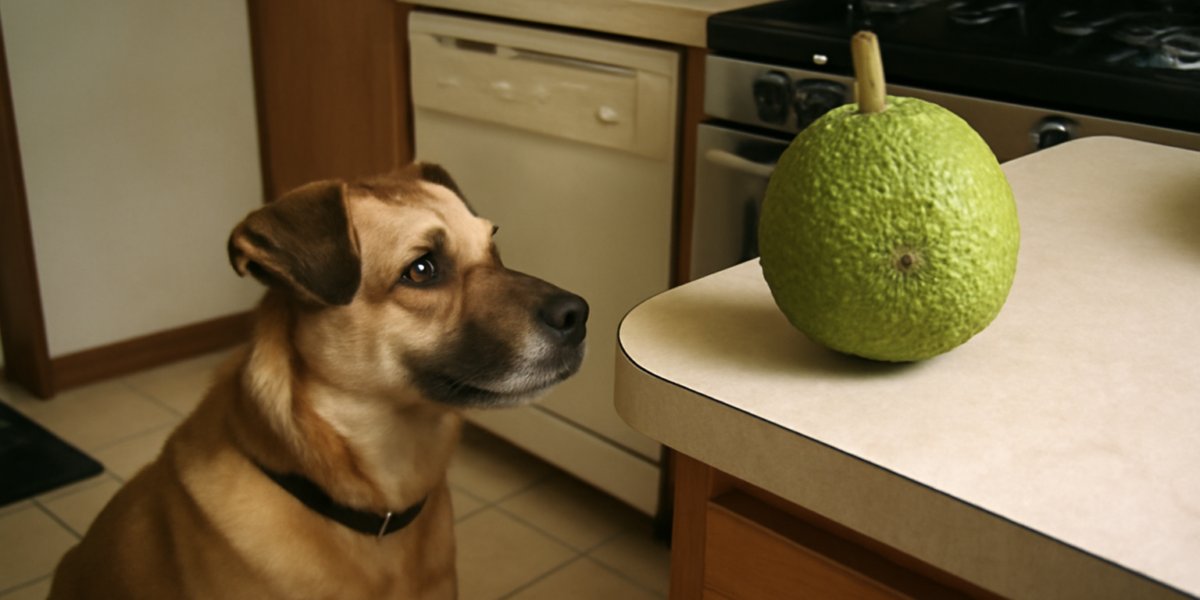
Breadfruit is a starchy, nutrient-rich tropical fruit that has been a dietary staple across the Pacific Islands, Southeast Asia, and the Caribbean for thousands of years. With its potato-like texture when cooked and its impressive nutritional profile, breadfruit has been gaining attention in Western kitchens as a versatile, sustainable food source. If you live in a region where breadfruit grows or you’ve brought some home from the market, you may be wondering whether your dog can safely enjoy it too. The short answer is yes — cooked, plain breadfruit is generally safe for dogs in moderation, though there are some important guidelines to follow.
Breadfruit (Artocarpus altilis) belongs to the mulberry family and is related to jackfruit, another tropical fruit that dog owners often ask about. The fruit itself is large — sometimes weighing over ten pounds — with a bumpy green exterior and starchy white flesh. Unlike most fruits, breadfruit is consumed more like a vegetable or starch, similar to potatoes or plantains. Let’s explore everything you need to know about feeding breadfruit to your dog.
Nutritional Benefits of Breadfruit for Dogs
Breadfruit is surprisingly nutritious for a starchy food. One cup of raw breadfruit contains approximately 227 calories, 60 grams of carbohydrates, 11 grams of fiber, and about 2.4 grams of protein. While the calorie count is relatively high, the substantial fiber content helps slow digestion and provides sustained energy rather than rapid blood sugar spikes.
Vitamin C is one of breadfruit’s standout nutrients, with one cup providing roughly 48 milligrams — about 53 percent of the recommended daily value for humans. While dogs produce their own vitamin C, supplemental amounts from food can provide antioxidant support, help reduce inflammation, and support immune function, particularly in older dogs or those recovering from illness or surgery.
Potassium is abundant in breadfruit, with approximately 1,078 milligrams per cup. This essential mineral supports proper muscle contraction, nerve function, and fluid balance. Active dogs that exercise regularly may benefit from the additional potassium that breadfruit provides. Thiamine (vitamin B1) is also present in meaningful amounts, supporting energy metabolism and healthy nervous system function.
The fiber content deserves special attention. At 11 grams per cup, breadfruit is an excellent source of both soluble and insoluble fiber. Soluble fiber feeds beneficial gut bacteria and supports digestive health, while insoluble fiber adds bulk to stools and promotes regular bowel movements. For dogs with constipation or those that need more fiber in their diet, small amounts of cooked breadfruit can be a helpful addition.
Breadfruit also contains moderate amounts of magnesium, phosphorus, calcium, and iron. These minerals collectively support bone health, energy production, oxygen transport, and hundreds of enzymatic reactions throughout the body. The combination of complex carbohydrates, fiber, and micronutrients makes breadfruit a more nutritionally complete starch option compared to simpler starches like tapioca.
How to Prepare Breadfruit for Your Dog
The most critical rule when feeding breadfruit to dogs is that it must be cooked. Raw breadfruit has a sticky, latex-like sap that can irritate the mouth, skin, and digestive tract. The flesh itself is hard, starchy, and very difficult to digest when raw. Cooking breaks down the starches, eliminates the irritating sap, and transforms the flesh into a soft, easily digestible texture.
Boiling is the simplest preparation method. Peel the breadfruit, remove the core and any seeds, and cut the flesh into chunks. Place the chunks in a pot of plain water (no salt or seasonings) and bring to a boil. Cook for 20 to 30 minutes until the pieces are fork-tender — they should have a texture similar to cooked potato. Drain, allow to cool completely, and cut into small, bite-sized pieces appropriate for your dog’s size.
Steaming preserves more nutrients than boiling and produces similarly soft results. Place peeled, cored breadfruit chunks in a steamer basket over boiling water and steam for 25 to 35 minutes. The pieces are done when they can be easily pierced with a fork. Let them cool before serving.
Roasting or baking breadfruit brings out a slightly sweet, nutty flavor that some dogs find particularly appealing. Cut the breadfruit into slices or wedges, place them on a baking sheet (no oil needed — the natural starches prevent sticking on parchment paper), and bake at 375 degrees Fahrenheit for 30 to 40 minutes, turning once halfway through. The exterior should be lightly golden and the interior soft.
Avoid frying breadfruit for your dog. While fried breadfruit chips are a popular human snack in many cultures, the added oil and fat are unnecessary and potentially harmful for dogs. Fried foods can trigger pancreatitis, contribute to obesity, and cause digestive upset. Never add salt, sugar, spices, butter, or any other flavoring when preparing breadfruit for your dog.
Breadfruit seeds, found in some varieties, should be removed before feeding. While the seeds are edible for humans when roasted, they present a choking hazard for dogs and can be difficult to digest. Always remove and discard the seeds before cooking.
Risks and Precautions
Despite being generally safe when properly prepared, breadfruit does come with several risks that dog owners should understand. The high carbohydrate content is the primary concern for dogs that are overweight, diabetic, or prone to blood sugar issues. One cup of cooked breadfruit contains roughly 60 grams of carbohydrates — a significant amount that can cause blood sugar spikes in sensitive dogs. For diabetic dogs, breadfruit should be avoided or offered only with explicit veterinary approval.
The latex sap present in raw and underripe breadfruit can cause skin and mucous membrane irritation. If your dog bites into a raw breadfruit, they may experience drooling, pawing at the mouth, lip smacking, or minor oral irritation. While this isn’t typically dangerous, it’s uncomfortable for the dog and entirely preventable by ensuring the fruit is properly cooked before serving.
Digestive upset is possible when introducing any new food, and breadfruit is no exception. The high fiber content, while beneficial in moderate amounts, can cause gas, bloating, loose stools, or diarrhea if a dog eats too much at once. This is especially true for dogs that don’t regularly eat high-fiber foods. Start with a very small portion and increase gradually over several days.
Allergic reactions, though rare, can occur with any new food. If your dog has never eaten breadfruit before, offer a tiny piece first and monitor for 24 to 48 hours. Signs of a food allergy include itching (especially around the face, ears, and paws), hives, gastrointestinal upset, or ear infections. Dogs with known allergies to latex or related fruits may be at slightly higher risk of reacting to breadfruit.
Weight gain is a realistic concern if breadfruit is fed too frequently or in too-large portions. At roughly 227 calories per cup, breadfruit is calorie-dense compared to many other dog-safe fruits and vegetables. It should be treated as an occasional starchy treat, not a regular dietary addition, especially for less active dogs or those prone to weight gain.
Appropriate Serving Sizes
Portion control is especially important with a calorie-dense food like breadfruit. Following the ten percent rule — treats should make up no more than ten percent of your dog’s daily calories — helps keep breadfruit consumption in a safe range.
For small dogs (under 20 pounds), one to two tablespoons of cooked, mashed, or diced breadfruit is sufficient per serving. Medium dogs (20 to 50 pounds) can enjoy about a quarter cup, while large dogs (over 50 pounds) can handle up to half a cup. These portions should be offered no more than once or twice per week to prevent excessive carbohydrate and calorie intake.
When introducing breadfruit for the first time, start with about half the recommended portion size — or even less — and observe your dog’s response. If they tolerate it well with no digestive upset, you can gradually increase to the full recommended amount in subsequent servings.
There are several creative ways to incorporate breadfruit into your dog’s diet. Mash cooked breadfruit and mix a small amount into their regular food as a topper. Cut it into small cubes and use it as a training treat. Freeze mashed breadfruit in ice cube trays for a cool, starchy snack on hot days. You can also combine it with other dog-safe foods like sweet potatoes or plantains for a tropical treat mix, keeping total portions appropriate.
Puppies can eat small amounts of cooked breadfruit once they’re fully weaned and eating solid food, but their portions should be significantly smaller than adult recommendations. A teaspoon or two is plenty for a puppy, and it should be offered no more than once a week. Puppies have specific nutritional requirements that should be met primarily through a complete and balanced puppy food.
Breadfruit Compared to Similar Starchy Foods
Dog owners often want to know how breadfruit stacks up against other starchy foods they might already be feeding their dogs. Compared to sweet potatoes, breadfruit has a similar calorie density but significantly higher fiber content. Sweet potatoes, however, offer more beta-carotene (vitamin A), making them a better choice for eye and skin health. Both are excellent occasional treats, and rotating between them provides nutritional variety.
Plantains are another tropical starchy food that dogs can eat when cooked. Breadfruit and plantains have comparable carbohydrate content, but plantains are higher in potassium and vitamin B6. Breadfruit edges out plantains in fiber content and vitamin C. Again, both are safe in moderation, and variety is beneficial.
Regular white potatoes, while safe for dogs when cooked, offer less fiber and fewer micronutrients than breadfruit. Potatoes are also members of the nightshade family, and green potatoes or potato sprouts contain solanine, which is toxic. Breadfruit doesn’t carry this particular risk, though its latex sap in raw form is its own concern.
Jackfruit, breadfruit’s close botanical relative, has a very different flavor and texture profile. Jackfruit is typically lower in calories but also lower in fiber compared to breadfruit. Both are safe for dogs when properly prepared, but jackfruit’s stringy, meaty texture can be harder for some dogs to chew and digest. Breadfruit’s potato-like consistency when cooked tends to be easier for dogs to handle.
When to Contact Your Veterinarian
Most dogs will handle small amounts of cooked breadfruit without any problems. However, there are situations where veterinary guidance is important. If your dog ate raw breadfruit and is showing signs of oral irritation — excessive drooling, pawing at the mouth, or refusal to eat — rinse their mouth gently with water and contact your vet if symptoms persist for more than a few hours.
Persistent digestive symptoms after eating breadfruit — vomiting that doesn’t resolve after 12 hours, diarrhea lasting more than 24 hours, or signs of severe abdominal pain — should prompt a veterinary visit. While these symptoms are more likely related to the novelty of the food or excessive quantity rather than toxicity, prolonged gastrointestinal distress can lead to dehydration and electrolyte imbalances.
Dogs with diabetes should not eat breadfruit without veterinary approval. The high carbohydrate content can significantly impact blood glucose levels and interfere with insulin management. If a diabetic dog accidentally eats breadfruit, monitor their blood sugar closely and contact your vet for guidance on adjusting their insulin dose if needed.
Signs of an allergic reaction — swelling around the face or throat, difficulty breathing, widespread hives, or sudden collapse — require immediate emergency veterinary care, regardless of the suspected trigger. While breadfruit allergies are uncommon in dogs, any new food has the potential to cause an allergic response in sensitive individuals.
Frequently Asked Questions
Can dogs eat breadfruit seeds?
Breadfruit seeds are best avoided for dogs. While they’re not inherently toxic, they pose a choking hazard and can be difficult to digest, particularly if not thoroughly cooked. In some cultures, roasted breadfruit seeds are a popular snack for humans, but the hard texture and size make them unsuitable for most dogs. Always remove seeds from the breadfruit before preparing it for your pet.
Is breadfruit better than regular potatoes for dogs?
Breadfruit offers higher fiber content and a broader micronutrient profile compared to white potatoes, which could make it a slightly more nutritious choice. However, potatoes are more widely available and better studied as a dog food ingredient. Breadfruit doesn’t carry the solanine risk associated with green potatoes, but it does require more preparation to remove the latex sap. Both are safe starchy treats when properly cooked, and neither should be a major component of your dog’s diet.
Can dogs eat breadfruit chips?
Commercially prepared breadfruit chips are typically fried in oil and seasoned with salt, making them unsuitable for dogs. If you want to offer your dog a chip-like breadfruit snack, slice the breadfruit thinly and bake the slices at a low temperature until crispy, without adding oil, salt, or any seasonings. These homemade baked chips can be a fun, crunchy treat in small quantities.
How do I know if breadfruit is ripe enough to feed my dog?
For dogs, mature but still firm breadfruit is ideal. The skin should be green to yellow-green with some browning — avoid fully ripe, overripe breadfruit that has become very soft or mushy, as it develops a much sweeter flavor (higher sugar content) and a fermented aroma. Overripe breadfruit can also cause more digestive upset. Firm, mature breadfruit with white, starchy flesh cooks up to a potato-like consistency that’s easiest for dogs to digest.


