
Last updated: April 10, 2026
In this article
Can Dogs Eat Plantains? A Complete Guide for Dog Owners
If you enjoy cooking with plantains, you may have wondered whether your dog can safely share a bite. Plantains are a staple food in many cultures around the world, prized for their versatility and nutritional value. But does that mean they belong in your dog’s bowl? The short answer is yes — dogs can eat plantains in moderation, as long as they are prepared properly. In this guide, we will walk you through everything you need to know about feeding plantains to your dog, from nutritional benefits to preparation tips and potential risks.
What Are Plantains and How Do They Differ from Bananas?
Plantains are a close relative of the common banana, but they are quite different in taste, texture, and culinary use. While bananas are sweet and soft enough to eat raw, plantains are starchier, firmer, and typically need to be cooked before eating. They are sometimes referred to as “cooking bananas” and are a dietary staple in parts of Africa, the Caribbean, Central America, and Southeast Asia.
For dogs, this distinction matters. Because plantains are starchier than bananas, they behave a bit differently in your dog’s digestive system. The higher starch content means that raw plantains can be harder to digest, which is why cooking them before offering a piece to your pup is strongly recommended.
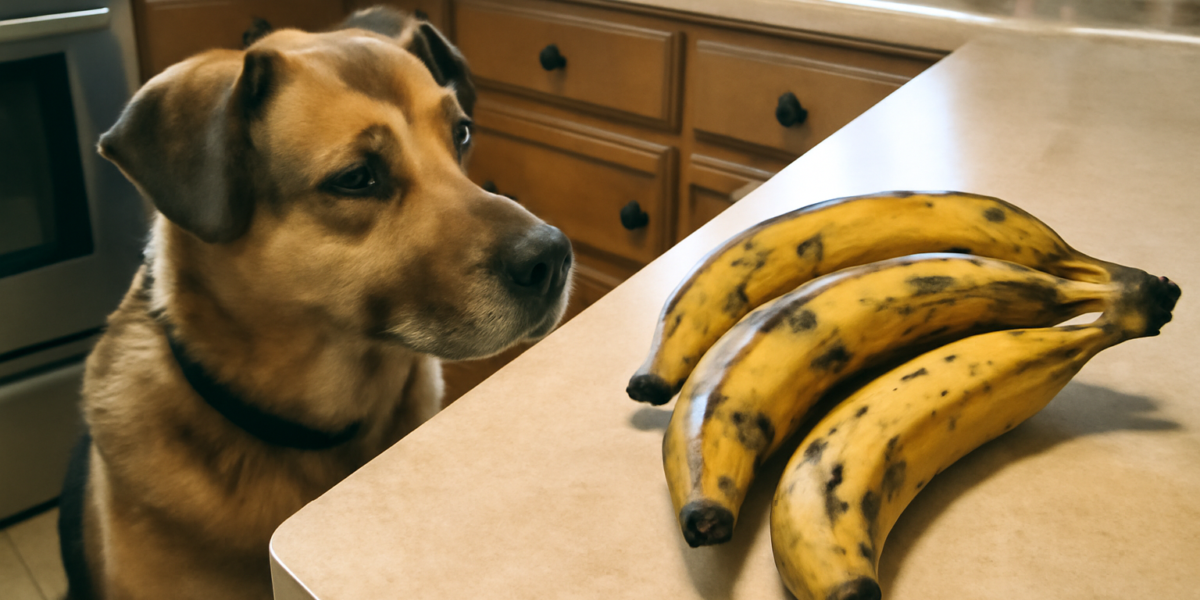
Plantains come in different stages of ripeness — green, yellow, and black. Green plantains are the starchiest and least sweet, while ripe black plantains become softer and sweeter as the starches convert to sugars. For dogs, slightly ripe plantains that have been cooked plain are generally the best option.
Nutritional Benefits of Plantains for Dogs
Plantains pack a solid nutritional punch that can complement your dog’s regular diet when offered as an occasional treat. Here is a breakdown of the key nutrients found in plantains and how they can benefit your canine companion.
Dietary Fiber: Plantains are a good source of dietary fiber, which supports healthy digestion in dogs. Fiber helps regulate bowel movements and can be particularly beneficial for dogs that experience occasional constipation or loose stools. A small serving of cooked plantain can contribute to a well-functioning digestive tract.
Potassium: Like their banana cousins, plantains are rich in potassium. This essential mineral plays a critical role in maintaining proper muscle function, nerve signaling, and fluid balance in your dog’s body. Dogs that are active or recovering from illness can benefit from potassium-rich foods.
Vitamin C: Plantains contain vitamin C, an antioxidant that supports immune health and helps combat oxidative stress. While dogs produce some vitamin C on their own, a little extra from whole food sources can be a nice boost, especially for older dogs or those under stress.
Vitamin A: This vitamin is important for maintaining healthy skin, coat, and vision in dogs. Plantains provide a moderate amount of vitamin A, contributing to your dog’s overall wellness.
Vitamin B6: Plantains are a good source of vitamin B6, which is involved in protein metabolism, red blood cell production, and brain function. This nutrient helps keep your dog’s nervous system running smoothly.
While plantains offer these nutrients, it is important to remember that they should never replace your dog’s balanced commercial or veterinarian-approved diet. Think of plantains as a supplemental treat rather than a dietary cornerstone. If you are exploring other nutritious whole foods for your dog, you might also consider sweet potatoes, which offer a similar nutrient profile.
How to Safely Prepare Plantains for Your Dog
Preparation is everything when it comes to feeding plantains to your dog. The way you cook and serve this fruit can make the difference between a healthy snack and a potential digestive upset. Here are the best practices for preparing plantains for your furry friend.
Always Cook Them: Raw plantains are tough and starchy, making them difficult for dogs to chew and digest. Cooking breaks down the starches and softens the texture, making the plantain much easier on your dog’s stomach. Boiling or steaming are the healthiest cooking methods because they do not require any added fats or oils.
Keep It Plain: When preparing plantains for your dog, skip the seasonings entirely. Salt, sugar, garlic, onion powder, and other common plantain seasonings can be harmful or even toxic to dogs. Plain, cooked plantain is the safest option.
Avoid Fried Plantains: Fried plantains — whether tostones or maduros — are a beloved dish for humans, but the added oil and fat make them a poor choice for dogs. Fried foods can cause gastrointestinal distress and contribute to weight gain and pancreatitis over time. Stick to boiled, steamed, or baked plantains without added oils.
Peel Before Serving: Always remove the plantain peel before offering any to your dog. The peel is tough, fibrous, and very difficult for dogs to digest. It could also pose a choking hazard or cause an intestinal blockage, especially in smaller breeds.
Cut Into Small Pieces: Slice the cooked plantain into small, bite-sized pieces appropriate for your dog’s size. This reduces the risk of choking and makes it easier for your dog to eat and digest the treat.
A simple preparation method is to peel a plantain, slice it into rounds, and boil the pieces in plain water for about ten to fifteen minutes until they are soft. Let them cool completely before offering a piece or two to your dog.
Portion Sizes and Feeding Guidelines
Even though plantains are safe for dogs, moderation is key. Plantains are relatively high in carbohydrates and natural sugars, especially when ripe, so feeding too much can lead to unwanted weight gain or digestive issues.
A good rule of thumb is to follow the ten percent treat rule: treats and supplemental foods, including plantains, should make up no more than ten percent of your dog’s daily caloric intake. The rest should come from their regular, nutritionally complete dog food.
For small dogs weighing under twenty pounds, one or two small pieces of cooked plantain once or twice a week is plenty. Medium dogs between twenty and fifty pounds can have a few more pieces, roughly equivalent to a couple of tablespoons. Large dogs over fifty pounds can handle a slightly larger portion, but you should still keep it moderate — perhaps a quarter of a cooked plantain at most per serving.
When introducing plantains to your dog’s diet for the first time, start with a very small amount. Offer just one small piece and then observe your dog over the next twenty-four hours for any signs of digestive upset, such as vomiting, diarrhea, gas, or loss of appetite. If your dog tolerates the plantain well, you can gradually incorporate it as an occasional treat.
Dogs with diabetes or weight management concerns should be given plantains sparingly, if at all, due to the carbohydrate and sugar content. Always consult your veterinarian before adding new foods to the diet of a dog with a health condition.
Potential Risks and Precautions
While plantains are generally safe for dogs, there are some risks and precautions to keep in mind to ensure your pup stays healthy and happy.
High Sugar Content in Ripe Plantains: As plantains ripen and turn black, their starch converts to sugar. Very ripe plantains have a significantly higher sugar content, which can be problematic for dogs that are overweight or diabetic. If you choose to feed ripe plantains, do so in very small amounts.
Digestive Upset: Some dogs have more sensitive stomachs than others. Even cooked plantains can cause gas, bloating, or loose stools in dogs that are not accustomed to high-fiber or starchy foods. Introduce plantains gradually and watch for any adverse reactions.
Choking Hazard: Whole or large pieces of plantain can be a choking risk, particularly for small dogs or dogs that tend to gulp their food without chewing. Always cut plantains into appropriately sized pieces for your dog.
Allergic Reactions: While rare, some dogs may have a sensitivity or allergic reaction to plantains. Signs of an allergic reaction can include itching, hives, swelling, or gastrointestinal symptoms. If you notice any of these signs after feeding plantain, discontinue and contact your veterinarian.
Plantain Chips: Store-bought plantain chips are typically fried and seasoned with salt or other flavorings, making them unsuitable for dogs. If you want to make plantain chips for your dog, slice them thinly and bake them in the oven without any oil or seasoning.
For a broader look at which human foods are safe for your pup, check out our guide on human foods dogs can eat.
Frequently Asked Questions
Can dogs eat raw plantains?
It is best to avoid feeding raw plantains to dogs. Raw plantains are very starchy and tough, which makes them hard to chew and difficult to digest. Cooking plantains by boiling, steaming, or baking softens the starches and makes them much gentler on your dog’s digestive system. Always cook plantains thoroughly and serve them plain before sharing with your pup.
Are plantain peels safe for dogs?
No, you should always remove the peel before giving plantain to your dog. Plantain peels are thick, fibrous, and very difficult for dogs to digest. Ingesting the peel could lead to gastrointestinal blockage or choking, especially in smaller breeds. Peel the plantain, cook the flesh, and discard the skin.
How often can I give my dog plantains?
Plantains should be offered as an occasional treat, not a daily food item. Once or twice a week in small portions is a reasonable frequency for most dogs. Because plantains are relatively high in carbohydrates, feeding them too often can contribute to weight gain. Always follow the ten percent rule — treats should make up no more than ten percent of your dog’s daily caloric intake.
Can puppies eat plantains?
Puppies can try a very small amount of cooked, plain plantain once they are eating solid food regularly, typically around eight to twelve weeks of age. However, puppies have more sensitive digestive systems than adult dogs, so start with a tiny piece and monitor closely. Puppies need the bulk of their nutrition from puppy-specific food formulated for growth, so treats like plantain should be minimal.
Plantains can be a nutritious and enjoyable treat for your dog when prepared simply and offered in moderation. By cooking them plain, cutting them into safe portions, and introducing them slowly, you can share this versatile fruit with your canine companion with confidence. As always, if you have any concerns about your dog’s diet, a quick conversation with your veterinarian is the best first step.


