
Last updated: April 10, 2026
In this article
Can Dogs Eat Plantain Chips? A Crunchy Snack With Caveats
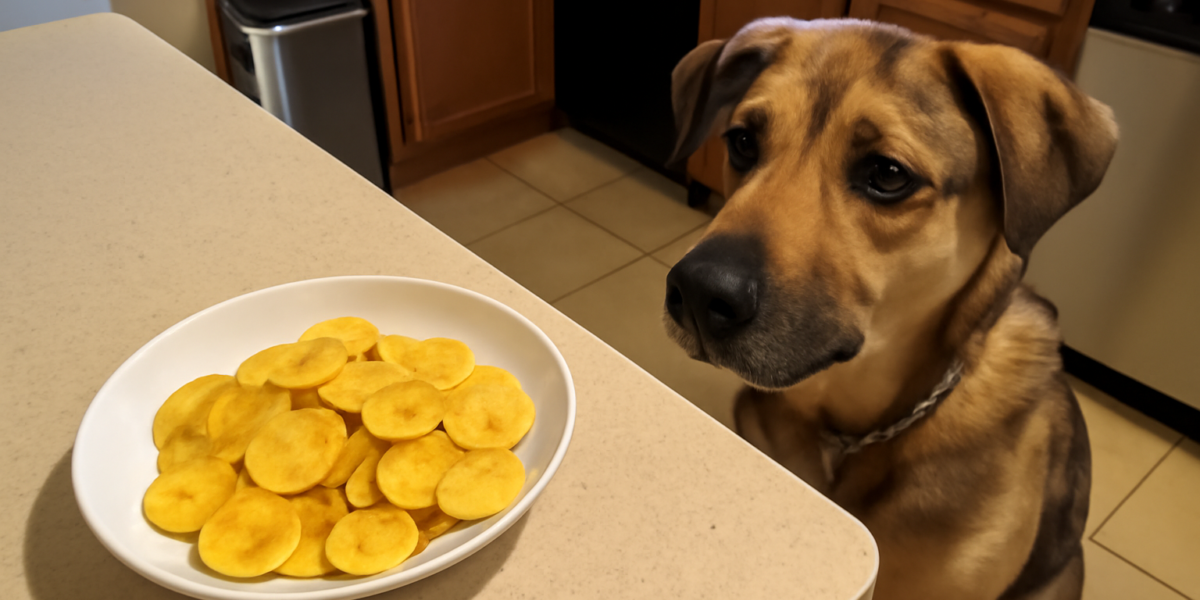
Plantain chips are not toxic to dogs, but they are far from an ideal treat. The main concerns are the oil used for frying and the salt added for flavor, both of which can cause problems in quantities that seem small to us but are significant for dogs. Plain plantains themselves are safe and mildly nutritious for dogs, but the chip form introduces unnecessary fat and sodium.
If your dog snatches a chip or two off the floor, there is no reason to panic. A few plantain chips will not harm a healthy dog. However, making them a regular treat is not recommended, and dogs should never eat flavored varieties that may contain garlic powder, onion powder, or chili seasoning.
For dog owners looking to share the benefits of plantains, a small piece of plain boiled or baked plantain is a much better option than the fried chip version.
What Are Plantain Chips Made Of
Understanding the ingredients in plantain chips helps clarify why they are problematic for dogs despite the plantain itself being safe.
Standard plantain chips are made by slicing green plantains thin and deep-frying them in vegetable oil, palm oil, or coconut oil. Salt is added liberally during or after cooking. Some brands add additional seasonings including garlic powder, onion powder, chili, lime, or sugar for sweet varieties.
A typical one-ounce serving of plantain chips contains approximately 150 calories, 8 to 10 grams of fat, and 100 to 200 milligrams of sodium. For a 20-pound dog whose daily caloric needs are around 400 to 500 calories, a single ounce of chips represents 30 percent of their fat intake and more than their entire daily sodium requirement.
The frying process also creates acrylamide, a chemical compound formed when starchy foods are cooked at high temperatures. While the health impact of acrylamide in dogs is not well-studied, it is considered a potential concern in human nutrition and worth minimizing where possible.
Safe Portions by Dog Size
If you want to share a plain, salted plantain chip with your dog as a rare treat, here are reasonable limits. These guidelines assume standard commercially prepared chips with no garlic, onion, or other toxic seasonings.
- Small dogs (under 20 pounds): One to two chips maximum as an occasional treat. For toy breeds under 10 pounds, a single chip broken in half is plenty.
- Medium dogs (20 to 50 pounds): Two to four chips. Break them into smaller pieces to reduce choking risk and extend the treat experience.
- Large dogs (50 to 90 pounds): Four to six chips. Still a minimal amount relative to their size, but enough to satisfy curiosity.
- Giant breeds (over 90 pounds): Up to eight chips, though there is no nutritional reason to offer this many. A few chips as an occasional novelty is sufficient.
These are maximum amounts for rare occasions, not daily serving sizes. Plantain chips should never become a regular part of your dog’s diet. If you find yourself reaching for the chip bag frequently, switch to a healthier alternative like plain cooked plantain instead.
The Difference Between Plantains and Bananas for Dogs
Plantains and bananas are closely related but differ in important ways that affect how dogs handle them.
Plantains are starchier and less sweet than bananas, especially when green. They contain more resistant starch, which passes through the small intestine undigested and ferments in the large intestine. In moderate amounts, resistant starch can act as a prebiotic, feeding beneficial gut bacteria. In excess, it causes gas, bloating, and loose stools.
Ripe plantains are sweeter and softer, with more natural sugars and less resistant starch. Dogs generally tolerate ripe plantain better than green, though both are safe when cooked and served plain.
Bananas are softer, sweeter, and can be fed raw in small amounts. They offer more potassium per serving than plantains. Both fruits provide fiber, vitamin C, and vitamin B6, though neither is nutritionally essential for dogs eating a balanced commercial diet.
The key takeaway is that plain cooked plantain offers mild nutritional benefits and is safe as an occasional treat. The chip form removes those benefits by adding excessive fat and salt.
Healthier Ways to Serve Plantains to Dogs
If your dog enjoys the taste of plantain, there are several preparation methods that provide the flavor without the downsides of commercial chips.
Boiled plantain: Peel a ripe plantain, cut into small pieces, and boil until soft, about 10 to 15 minutes. Mash lightly and let cool. Serve a tablespoon or two as a food topper or standalone treat. No salt, butter, or seasonings needed.
Baked plantain slices: Slice ripe plantain into thin rounds and bake at 350 degrees Fahrenheit for 15 to 20 minutes until lightly golden. These homemade chips have no added oil or salt. Let cool completely before offering to your dog.
Dehydrated plantain: Use a food dehydrator to make chewy plantain strips. Dehydrate at 135 degrees Fahrenheit for 8 to 12 hours. These store well and make convenient training treats when cut into small pieces.
Frozen plantain bites: Mash cooked plantain and freeze in small portions using a silicone ice cube tray. These make cooling summer treats and the frozen texture adds enrichment value.
Trouble Signs to Watch For
If your dog ate a large quantity of plantain chips, or if the chips contained garlic or onion seasoning, be alert to these symptoms.
From excessive oil and fat:
- Vomiting within a few hours of eating
- Diarrhea or greasy-looking stools
- Abdominal pain or bloating
- Loss of appetite for the next meal
- In severe cases or predisposed dogs, pancreatitis symptoms including persistent vomiting, hunched posture, and refusal to eat
From excessive salt:
- Excessive thirst and drinking
- Increased urination
- Mild to moderate diarrhea
- In rare cases with very high sodium intake, tremors or disorientation
From garlic or onion seasoning:
- Vomiting and diarrhea
- Pale gums
- Weakness or lethargy
- Dark-colored urine
- These symptoms may appear 24 to 72 hours after ingestion as the toxins damage red blood cells
If your dog shows any symptoms of garlic or onion toxicity, or if vomiting and diarrhea persist beyond 24 hours, contact your veterinarian promptly. For more canine food safety guides, learn whether dogs can eat anchovy paste or read about elk liver for dogs.
Frequently Asked Questions
Are sweet plantain chips safer than salted ones for dogs?
Sweet plantain chips, sometimes called maduros chips, have less sodium but more sugar and are still fried in oil. The reduced salt is a marginal improvement, but the added sugar and fat content remain problematic. Neither version is a good regular treat for dogs.
Can dogs eat raw plantain?
Raw green plantain is very starchy and difficult for dogs to digest. It can cause gas, bloating, and stomach upset. Cooking breaks down the resistant starch and makes plantain much easier on the digestive system. Always cook plantain before feeding it to your dog.
My dog ate a whole bag of plantain chips. Should I worry?
Monitor your dog for the next 24 to 48 hours. The high fat content is the biggest concern, as it could trigger vomiting, diarrhea, or pancreatitis in susceptible dogs. Ensure plenty of water is available and skip the next meal if your dog is vomiting. If symptoms are severe or persistent, consult your veterinarian. Check the bag for garlic or onion powder in the ingredients, as these warrant more urgent concern.
Can diabetic dogs eat plantain chips?
Diabetic dogs should avoid plantain chips. The combination of starchy carbohydrates, added oils, and potential sugars can cause blood sugar spikes and complicate insulin management. Even plain cooked plantain should be discussed with your veterinarian before adding to a diabetic dog’s diet. Visit our dog adoption hub for more health and nutrition guidance.
Are plantain chips a choking hazard for dogs?
Large, thick plantain chips can pose a choking risk, especially for small dogs who may try to swallow them whole. If you choose to offer a chip, break it into smaller pieces first. Supervise your dog while they eat any hard, crunchy treat. Browse pets available for adoption and discover more care resources on our site.


