
Last updated: June 13, 2026
In this article
Can Dogs Eat Brussels Sprouts?
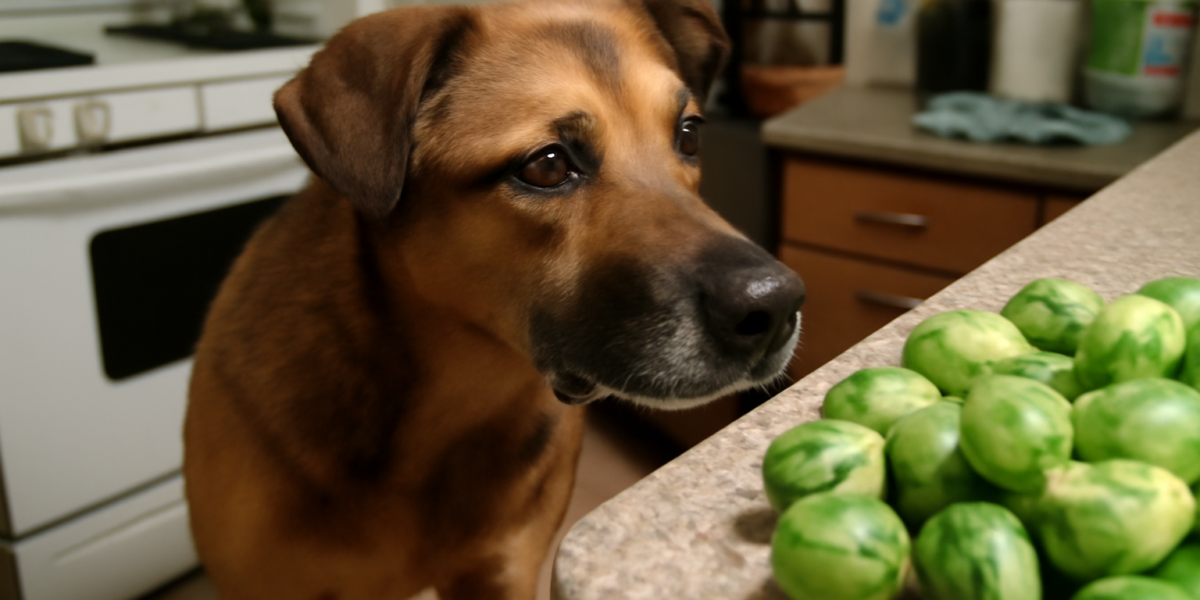
Dogs can eat Brussels sprouts as an occasional treat when they are plain and fully cooked. They offer real nutritional value, but there is one important caveat: Brussels sprouts are notorious for causing gas. Expect some flatulence, especially the first time your dog tries them. Raw Brussels sprouts and any preparation that includes butter, oil, garlic, or onion should be avoided entirely.
Are Brussels Sprouts Safe for Dogs?
Yes, Brussels sprouts are safe for dogs when prepared correctly. This small, leafy vegetable belongs to the Brassica family — the same family as broccoli, cabbage, and kale — and is non-toxic to dogs according to the ASPCA. That means you do not need to panic if your dog snags one off the kitchen floor.
The key conditions are that the sprouts must be cooked (steamed or boiled works best), served plain without any seasonings, and offered only in modest portions. Raw Brussels sprouts are harder for dogs to digest and increase the likelihood of gastrointestinal upset. As with any new food, introduce Brussels sprouts gradually and watch your dog for any signs of intolerance such as excessive bloating, vomiting, or diarrhea before making them a regular treat.
Nutritional Benefits of Brussels Sprouts for Dogs
Brussels sprouts are a genuinely nutritious vegetable, and some of those benefits extend to dogs. They are a good source of dietary fiber, which supports healthy digestion and can help regulate bowel movements. They also contain vitamins K and C, both of which play roles in immune function, bone health, and the repair of body tissues.
Brussels sprouts provide vitamin B6, folate, and manganese, as well as antioxidants that help reduce inflammation and fight oxidative stress at the cellular level. Antioxidants are particularly relevant for aging dogs, whose bodies face increasing oxidative damage over time. The vegetable is also low in calories and fat, making it a suitable occasional snack for dogs watching their weight. While Brussels sprouts should never replace a complete, balanced diet, they can be a wholesome supplement when served appropriately.
Risks and Side Effects
The most common side effect when dogs eat Brussels sprouts is gas — and it can be significant. Brussels sprouts contain isothiocyanates, sulfur-containing compounds that help move food and waste through the intestinal tract. This process produces intestinal gas as a byproduct. You may notice bloating, flatulence, or loose stools after your dog eats even a small portion. This is normal and typically resolves on its own, but it is worth being aware of before sharing your dinner plate.
Beyond gas, overconsumption can lead to more serious gastrointestinal distress, including vomiting and diarrhea. Dogs with pre-existing digestive conditions, inflammatory bowel disease, or sensitivities to cruciferous vegetables should avoid Brussels sprouts entirely. The isothiocyanates, while beneficial in small amounts, can irritate the gastrointestinal lining when consumed in large quantities. Always start with a very small amount and monitor your dog closely before offering more.
How Many Brussels Sprouts Can a Dog Eat?
Portion size matters. For small dogs, one half to one small Brussels sprout is a reasonable serving. Medium-sized dogs can handle one to two sprouts. Large dogs may tolerate up to three, though it is always better to start at the lower end regardless of your dog’s size. Brussels sprouts should be treated as an occasional treat rather than a daily addition to your dog’s diet — once or twice a week at most. Treats of any kind, including vegetables, should account for no more than ten percent of a dog’s total daily caloric intake.
How to Prepare Brussels Sprouts for Dogs
Preparation is straightforward, but a few steps make a real difference in safety and digestibility.
Steam or boil them plain. Steaming preserves more nutrients than boiling, but both methods are appropriate. Cook the sprouts until they are soft enough to be easily pierced with a fork. Avoid roasting with oil, as added fat can cause stomach upset and, over time, contribute to pancreatitis.
Skip all seasonings. Garlic and onion are toxic to dogs. Salt, pepper, and butter are unnecessary and potentially harmful. The sprout itself is the treat — your dog does not need it dressed up.
Remove the stem and tough outer leaves. These parts are harder to chew and digest. Cut the cooked sprout into smaller pieces appropriate for your dog’s size to reduce any choking risk.
Serve at room temperature. Let the sprouts cool completely before offering them to your dog to avoid burning their mouth or throat.
What If My Dog Ate Too Many Brussels Sprouts?
If your dog got into a larger quantity of Brussels sprouts than intended, stay calm. Toxicity is not a concern — the vegetable itself is not poisonous. What you are more likely to see is gastrointestinal upset: excessive gas, bloating, loose stools, or vomiting. These symptoms are uncomfortable but usually mild and self-limiting, passing within 24 hours as the sprouts work through your dog’s digestive system.
Ensure your dog has access to fresh water. Withhold their next meal if they appear nauseous, and offer a small amount of bland food — such as plain boiled chicken and rice — once the stomach seems settled. If vomiting or diarrhea is severe, persists beyond 24 hours, or is accompanied by lethargy or signs of pain, contact your veterinarian.
Frequently Asked Questions
Can dogs eat raw Brussels sprouts?
It is not recommended. Raw Brussels sprouts are significantly harder for dogs to digest than cooked ones and are more likely to cause gas, bloating, and stomach upset. They also pose a mild choking risk in their whole, raw form. Always cook Brussels sprouts before sharing them with your dog.
Can dogs eat frozen Brussels sprouts?
Frozen Brussels sprouts are fine as long as they are cooked before serving and contain no added salt, sauces, or seasonings. Check the ingredient label carefully — many frozen vegetable products include additives that are not appropriate for dogs. Plain frozen sprouts that are steamed or boiled at home are a safe option.
Are Brussels sprouts good for dogs with constipation?
The fiber content in Brussels sprouts can help support regular digestion and may provide mild relief from constipation. However, they are not a substitute for veterinary advice if your dog is experiencing chronic digestive issues. Offer only a small amount and ensure your dog is drinking plenty of water alongside any increase in dietary fiber.
What other vegetables are safe for dogs?
Many vegetables are safe and nutritious for dogs, including carrots, green beans, cucumber, zucchini, and cooked sweet potato. For a broader guide to what your dog can and cannot eat, visit our dog care blog, where we cover a wide range of foods, health topics, and tips for keeping your rescue dog happy and healthy.
For the full picture, see our complete guide to the human foods dogs can eat safely.


