
Last updated: March 31, 2026
In this article
Can Dogs Eat Cauliflower? Your Complete Guide
Cauliflower has become a diet staple for health-conscious humans, turning up as pizza crust, rice substitute, and everything in between. If you are a cauliflower fan, you have likely wondered whether your dog can enjoy some too. The answer is encouraging, though there is one well-known side effect you should prepare for. Here is everything you need to know about feeding cauliflower to your dog.
The Quick Answer: Is Cauliflower Safe for Dogs?
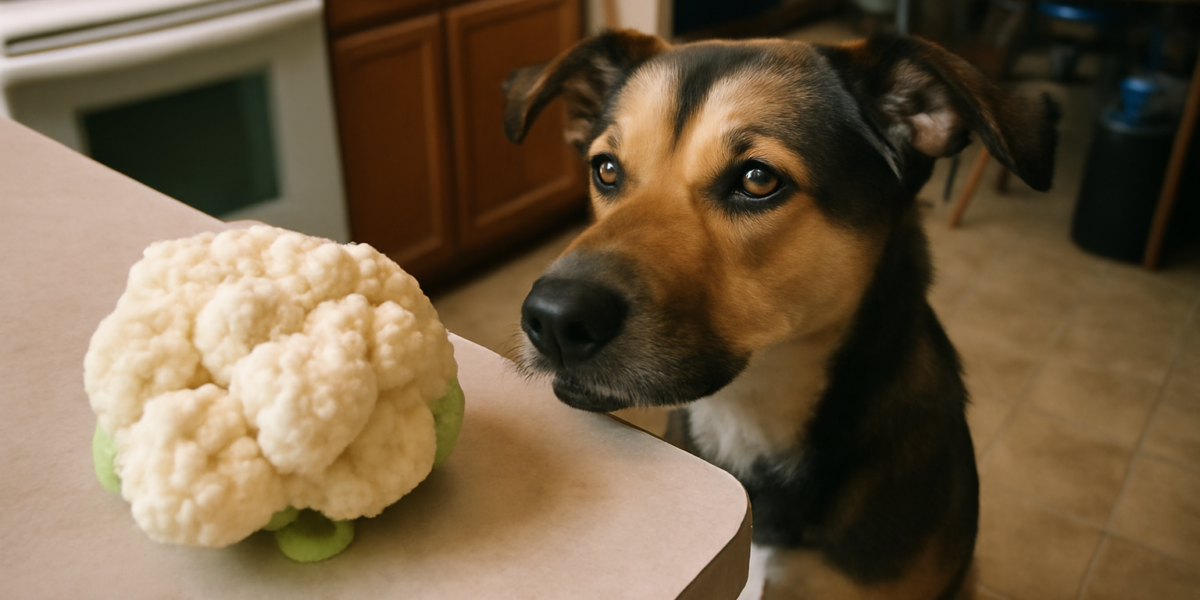
Yes, cauliflower is safe for dogs. Both the florets and the stem are non-toxic, and cauliflower can be served raw or cooked. It is a low-calorie, nutrient-rich vegetable that can make a healthy occasional snack or meal topper for your dog.
The main caveat is that cauliflower is a cruciferous vegetable, meaning it belongs to the same family as broccoli, cabbage, and Brussels sprouts. All cruciferous vegetables contain isothiocyanates and complex sugars called raffinose that are notorious for producing gas during digestion. While this is not dangerous, it does mean that feeding your dog too much cauliflower can result in impressive and potentially room-clearing flatulence. Moderation is the key to enjoying the benefits without the unpleasant side effects.
As with any human food, preparation matters. Plain cauliflower is safe. Cauliflower cooked with butter, cheese, garlic, onions, heavy cream, or seasoning blends is not appropriate for dogs. If your dog is new to your family through adoption, cauliflower is a safe vegetable to include as you explore what treats they enjoy.
Nutritional Profile of Cauliflower for Dogs
Cauliflower is a nutritional powerhouse that delivers impressive micronutrient density with very few calories. One cup of raw cauliflower provides approximately 27 calories, 2 grams of protein, 5 grams of carbohydrates, 2 grams of fiber, and less than 1 gram of fat. It is composed of about 92 percent water, which contributes to hydration.
Vitamin C is the most abundant vitamin in cauliflower. One cup provides more than the recommended daily allowance for humans, and while dogs synthesize their own vitamin C, supplemental amounts from food can support immune function, particularly in older dogs or those experiencing physical or environmental stress. Vitamin K is also well-represented and plays essential roles in blood clotting and bone metabolism.
B vitamins in cauliflower include folate, which is critical for DNA synthesis and cell division, B6, which supports brain function and neurotransmitter production, and pantothenic acid, which contributes to energy metabolism. Choline, while not technically a vitamin, is present in cauliflower and supports liver function, brain development, and cell membrane integrity.
The mineral content includes potassium for heart and muscle function, manganese for bone health and enzyme activation, phosphorus for strong bones and teeth, and magnesium for hundreds of enzymatic reactions throughout the body. While these minerals are present in modest amounts per serving, they contribute to overall nutritional balance.
Cauliflower contains notable levels of glucosinolates, sulfur-containing compounds that are broken down into biologically active substances including sulforaphane and indole-3-carbinol during digestion. These compounds have been extensively studied for their antioxidant and potential anti-cancer properties. While most research has been conducted in humans, the biological mechanisms are relevant across mammalian species, and some veterinary researchers believe these compounds may provide protective benefits for dogs as well.
The fiber in cauliflower supports digestive health by adding bulk to stool and feeding beneficial gut bacteria. Unlike some high-fiber vegetables, cauliflower’s fiber content is moderate enough to be well-tolerated by most dogs when portions are appropriate.
Benefits and Risks of Cauliflower for Dogs
The benefits of cauliflower for dogs are meaningful and practical. Its extremely low calorie count makes it one of the best treat options for dogs on weight management programs. You can offer a generous portion of cauliflower without significantly affecting your dog’s daily calorie budget. The vitamin and mineral content provides genuine nutritional value, making cauliflower a treat that contributes to health rather than just satisfying a craving. The antioxidant and glucosinolate content may offer long-term protective benefits against oxidative stress and inflammation.
The water content in cauliflower provides supplemental hydration, which is valuable for dogs that do not drink adequate water independently. The fiber supports digestive regularity without being so aggressive that it causes problems in moderate amounts. Many dogs enjoy the texture of cauliflower, both the crunch of raw pieces and the softer texture of cooked florets, making it a versatile treat option.
The risks of cauliflower are generally mild but worth understanding. Gas and flatulence are the most common side effects. The raffinose sugars and isothiocyanates in cauliflower produce gas as bacteria in the large intestine break them down. The amount of gas varies between individual dogs, but it is safe to say that most dogs will experience at least some increased flatulence after eating cauliflower. This is not harmful, but it can be socially inconvenient, especially if your dog sleeps in your bedroom. Keeping portions moderate and introducing cauliflower gradually helps minimize gas production.
Choking is a concern with raw cauliflower, particularly for small dogs, puppies, or dogs that eat quickly without chewing thoroughly. Raw cauliflower florets are firm and can break into irregular pieces that may lodge in the throat. Always cut cauliflower into size-appropriate pieces and supervise your dog while they eat.
Digestive upset beyond gas can occur if a dog eats too much cauliflower at once. Symptoms may include bloating, loose stools, abdominal discomfort, nausea, or vomiting. These are typically self-limiting and result from overconsumption rather than any inherent toxicity.
The isothiocyanate content, while beneficial in moderate amounts, can cause gastrointestinal irritation if consumed in large quantities. This is another reason to keep portions reasonable and avoid making cauliflower a daily staple in large amounts.
Cauliflower prepared for human consumption almost always contains ingredients that are unsafe for dogs. Cauliflower cheese, buffalo cauliflower bites, cauliflower gratin, and similar dishes contain butter, cheese, garlic, onions, hot sauce, heavy cream, and seasonings that can cause digestive upset or toxicity in dogs. Never share prepared cauliflower dishes with your dog.
How to Safely Feed Cauliflower to Your Dog
Preparing cauliflower for your dog is simple. Start by selecting a fresh cauliflower head that is firm, white or cream-colored, and free of brown spots, mold, or strong odors. Wash the cauliflower thoroughly under running water, paying attention to the crevices between florets where dirt and pesticide residue can accumulate.
Break or cut the cauliflower into individual florets, then cut those florets into pieces appropriate for your dog’s size. For small dogs, dice the cauliflower into pea-sized pieces. For medium dogs, small floret tips or quarter-inch cubes work well. For large dogs, small whole floret tips are generally manageable. Remove the thick stem from each floret, as the stem is tougher and more fibrous. While not harmful, stem pieces are harder to chew and digest than the softer floret tops.
Both raw and cooked cauliflower are safe for dogs. Raw cauliflower retains maximum nutritional value and provides a satisfying crunch. However, it is harder to digest and may produce more gas than cooked cauliflower. Steaming is the best cooking method for dogs because it softens the cauliflower while preserving most nutrients and making it easier to digest. Steam cauliflower pieces for five to seven minutes until they are tender but not mushy. Boiling is acceptable but results in greater nutrient loss as vitamins leach into the water. Roasting without oil or seasoning is another option. Avoid microwaving, frying, or cooking with any added ingredients.
Let cooked cauliflower cool completely before serving. Serve it plain with absolutely no salt, butter, cheese, oil, garlic, onion, or seasonings of any kind.
Portion sizes should reflect cauliflower’s gas-producing tendency. For small dogs under 20 pounds, one to two tablespoons of chopped cauliflower per serving is appropriate. Medium dogs between 20 and 50 pounds can have up to a quarter cup. Large dogs over 50 pounds can have up to half a cup. Start with smaller amounts when introducing cauliflower for the first time and increase gradually as you gauge your dog’s tolerance.
Cauliflower can be served two to three times per week as part of a varied treat rotation. Mix it into kibble, offer it as a standalone snack, freeze small pieces for a cooling treat, or puree it and stir it into wet food. Some owners use tiny raw cauliflower pieces as low-calorie training treats.
Signs of Problems After Eating Cauliflower
Most dogs tolerate cauliflower well, and the most common reaction is simply increased flatulence. However, knowing what to watch for across the full spectrum of possible responses helps you stay prepared.
Normal and expected side effects include mild to moderate gas and flatulence, which can persist for several hours after eating cauliflower. Some stomach gurgling and minor bloating may accompany the gas. These effects are caused by the normal bacterial fermentation of cauliflower’s complex sugars and are not a sign of illness. They do not require any treatment and resolve on their own.
Mild symptoms that suggest you may have given too much or that your dog has a sensitive stomach include loose stools, more pronounced bloating than expected, reduced appetite at the next meal, and mild stomach discomfort indicated by restlessness or a desire to eat grass. These symptoms typically resolve within 24 hours. Reduce the portion size next time and consider serving cooked rather than raw cauliflower to improve digestibility.
Symptoms that warrant veterinary attention include persistent vomiting, diarrhea lasting more than 24 hours, blood in the stool, severe abdominal distension or pain, lethargy or unusual fatigue, refusal to eat or drink for more than 12 hours, and signs of dehydration. While these are unlikely from plain cauliflower alone, they could indicate an underlying sensitivity or a separate health issue that coincided with the cauliflower introduction.
If your dog ate cauliflower prepared with harmful ingredients such as garlic, onions, or excessive butter and cheese, the risk profile changes. Garlic and onion toxicity symptoms may not appear for 24 to 72 hours and include lethargy, pale gums, rapid breathing, dark urine, and loss of appetite. Excessive fat from butter and cheese can trigger pancreatitis, which presents as severe vomiting, abdominal pain, and loss of appetite. Contact your veterinarian if your dog consumed seasoned or prepared cauliflower dishes.
Choking is an immediate emergency. If your dog is gagging, pawing at their mouth, struggling to breathe, or making distressed sounds after eating cauliflower, check for visible obstructions and seek emergency veterinary care immediately.
Healthy Alternatives to Cauliflower for Dogs
If the gas factor is a dealbreaker or you want to expand your dog’s vegetable repertoire, several excellent alternatives exist.
Zucchini is one of the gentlest vegetables you can offer your dog. It provides similar vitamins and minerals to cauliflower with minimal gas production and an extremely low calorie count. It can be served raw or cooked and is well-tolerated by almost all dogs. Read more in our guide on can dogs eat zucchini.
Green beans are another low-calorie, low-gas alternative that many veterinarians recommend for weight management. They provide fiber, vitamin C, and vitamin K in a format that is easy to prepare and serve. Fresh, frozen, or canned green beans with no added salt are all appropriate.
Carrots provide a satisfying crunch similar to raw cauliflower and are rich in beta-carotene. They are well-tolerated, produce minimal gas, and can even help clean teeth. Sweet potatoes deliver more calories but are nutrient-dense with excellent vitamin A content and gentle fiber.
Cucumber slices are extremely low in calories and high in water content, making them a refreshing, gas-free alternative. Pumpkin provides gentle, soluble fiber that is particularly good for digestive support without the flatulence that cruciferous vegetables cause.
If your dog tolerates cruciferous vegetables well and you want variety within this family, broccoli offers similar nutrients with a slightly different flavor profile, though it produces comparable gas. You might also explore whether dogs can eat beets or dogs can eat edamame for additional variety in your dog’s treat rotation.
Frequently Asked Questions
Can puppies eat cauliflower?
Puppies can eat small amounts of cooked, plain cauliflower once they are fully weaned and eating solid food regularly. However, puppies have more sensitive digestive systems and may be more prone to gas and bloating from cruciferous vegetables. Start with a very small amount, perhaps a teaspoon of finely chopped steamed cauliflower, and observe for digestive changes over 48 hours before offering more. Raw cauliflower is not recommended for puppies due to the increased choking risk with their smaller airways. As with any supplemental food, cauliflower should be a very minor part of a puppy’s diet, with the vast majority of nutrition coming from a balanced, age-appropriate puppy food.
Is raw or cooked cauliflower better for dogs?
Both are safe, but cooked cauliflower is generally the better choice for most dogs. Cooking, particularly steaming, softens the cauliflower and begins breaking down some of the complex sugars that produce gas, which means cooked cauliflower may cause less flatulence than raw. Cooking also makes the cauliflower easier to chew and digest, reducing both the choking risk and the likelihood of digestive upset. The nutrient loss from steaming is minimal. Raw cauliflower is fine for dogs that tolerate it well and enjoy the crunch, but cut it into small pieces and supervise while your dog eats to monitor for choking.
Will cauliflower give my dog gas?
Probably yes, at least to some degree. Cauliflower contains raffinose, a complex sugar that dogs and humans lack the enzyme to fully digest in the small intestine. When raffinose reaches the large intestine, bacteria ferment it and produce gas as a byproduct. The amount of gas varies between individual dogs based on their gut bacteria composition, the amount of cauliflower consumed, and whether the cauliflower was raw or cooked. Keeping portions moderate and cooking the cauliflower before serving can help minimize gas. If your dog produces excessive or uncomfortable gas from cauliflower, reduce the portion size or switch to a less gassy vegetable like zucchini or carrots.
Can dogs eat cauliflower leaves and stems?
The leaves and stems of cauliflower are not toxic to dogs, but they are tougher and more fibrous than the florets, making them harder to chew and digest. Large pieces of stem or leaf can pose a choking hazard or cause digestive discomfort. If you want to include them, cook them thoroughly to soften the fiber, and chop them into very small pieces. Most dog owners stick to the florets, which are the easiest part for dogs to eat and digest. The nutritional content of the leaves is actually quite good, with higher levels of some nutrients than the florets, but the practical challenges of feeding them to dogs make the florets the preferred option.
How much cauliflower is too much for a dog?
While cauliflower is very low in calories, the gas-producing properties make it a food where too much is defined more by comfort than by toxicity. As a general guideline, cauliflower and other treats should not exceed ten percent of your dog’s daily caloric intake. Given cauliflower’s low calorie density, the gas factor becomes the practical limiting factor well before the calorie limit is reached. If your dog is producing excessive gas, experiencing bloating, or showing signs of digestive discomfort, you have given too much. Stick to the portion sizes recommended in this article and reduce further if your individual dog is particularly sensitive.
Can dogs eat cauliflower rice?
Plain cauliflower rice, which is simply cauliflower that has been finely chopped or processed into rice-sized pieces, is safe for dogs. In fact, the smaller piece size makes it easier to mix into regular dog food and reduces choking risk. However, most commercially prepared cauliflower rice products and restaurant cauliflower rice contain added salt, oil, garlic, onions, or other seasonings that are not safe for dogs. Always check the ingredient list if using store-bought cauliflower rice, and ensure the only ingredient is cauliflower. Making your own cauliflower rice at home using a food processor or grater is the safest option, as you can guarantee it contains nothing but plain cauliflower.
A well-fed dog is a happy dog, and knowing which foods are safe shows real care for your companion. If you are ready to bring a new four-legged friend home, check out the wonderful dogs available for adoption at Walk Me Home Rescue.


