
Last updated: April 9, 2026
In this article
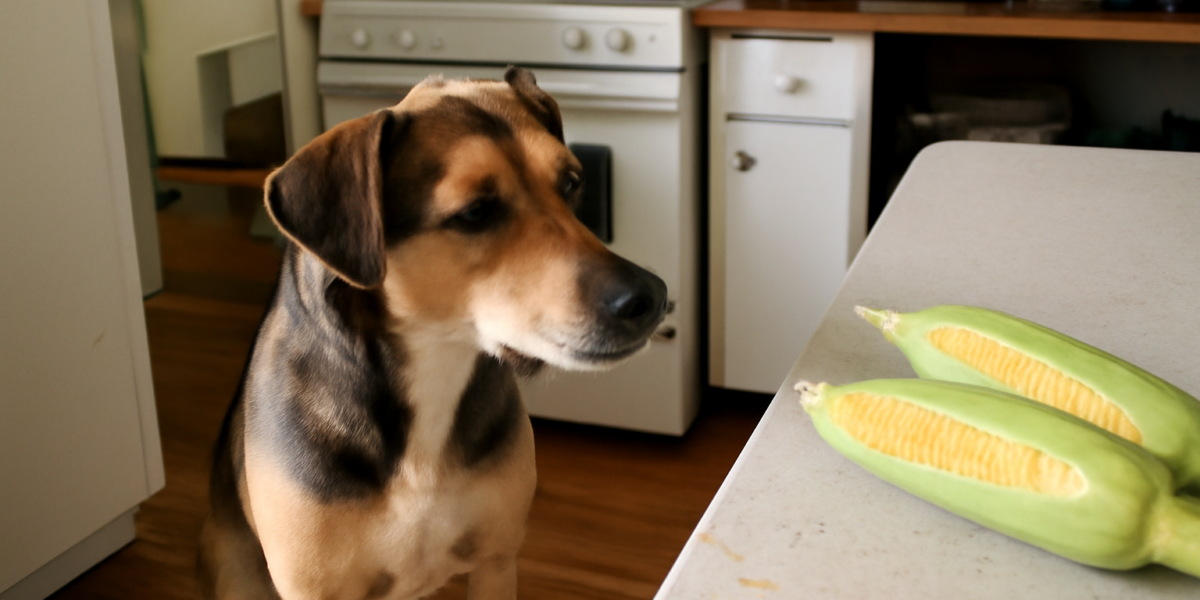
Corn shows up in dog food ingredient lists so often that most people assume it must be perfectly safe for dogs. And in many forms, it is. But the relationship between dogs and corn is more nuanced than a simple yes or no, particularly because the way corn is served matters enormously. A few plain kernels off your plate are fine. A corn cob left within reach of a determined dog can lead to an emergency veterinary visit.
Quick Answer: Yes, dogs can eat corn kernels in moderation. Plain corn kernels are safe and provide carbohydrates, fiber, and some vitamins. However, corn on the cob is extremely dangerous and should never be given to dogs, as the cob can cause life-threatening intestinal obstruction.
Is Corn Safe for Dogs?
Plain corn kernels — whether fresh, cooked, or frozen — are safe for dogs to eat. Corn is not toxic to dogs and is actually a common ingredient in many commercial dog foods, where it serves as a source of carbohydrates, essential fatty acids, and protein. The idea that corn is merely a “filler” in dog food is a persistent myth that does not hold up to nutritional scrutiny. While corn should not replace meat-based protein as the foundation of a dog’s diet, it is a legitimate and digestible source of energy.
The real danger with corn is not the kernels themselves but the cob. Corn cobs are one of the most common causes of intestinal blockage in dogs. The cob is the perfect size and shape to lodge in the intestinal tract, and unlike many foods, it does not break down during digestion. Dogs often find corn cobs irresistible — they smell like food and have an appealing texture for chewing — which is why corn cob ingestion is such a frequent emergency. Even large dogs can experience a complete bowel obstruction from a corn cob, and the resulting surgery is both expensive and risky.
Beyond the cob, the way corn is prepared also affects its safety. Buttered corn, salted corn, corn cooked with garlic or onion, and processed corn products like chips or tortillas all contain ingredients that are either unhealthy or outright harmful for dogs. Plain is always the way to go when sharing corn with your pet.
Nutritional Benefits of Corn for Dogs
Corn provides several nutrients that can benefit dogs when offered as part of a balanced diet. While it should never replace a complete, species-appropriate dog food, corn kernels offer more nutritional value than many people realize.
Carbohydrates and energy. Corn is a rich source of easily digestible carbohydrates, which provide quick energy for active dogs. The starch in cooked corn is well-absorbed by the canine digestive system, making it an efficient fuel source for dogs with high energy demands.
Protein. While corn is not a complete protein source on its own, it does contain a meaningful amount of plant-based protein — roughly 3 to 4 grams per ear of corn. When combined with animal protein sources in a balanced diet, the amino acids in corn contribute to overall protein intake.
Fiber. Corn provides both soluble and insoluble dietary fiber, which supports healthy digestion and regular bowel movements. The fiber content helps promote satiety, which can be beneficial for dogs that tend to overeat or are on weight management programs.
Linoleic acid. Corn is one of the best natural sources of linoleic acid, an essential omega-6 fatty acid that dogs cannot produce on their own. Linoleic acid is crucial for maintaining healthy skin, a glossy coat, proper immune function, and normal growth. This is one of the primary reasons corn and corn-derived oils appear in commercial dog food formulations.
Vitamins and minerals. Corn contains vitamin B6, niacin, thiamine, folate, and small amounts of vitamin C. It also provides minerals including manganese, phosphorus, magnesium, and zinc. While the concentrations are modest, these nutrients contribute to a dog’s overall nutritional profile when corn is included as part of a varied diet.
Antioxidants. Yellow corn contains carotenoids, including lutein and zeaxanthin, which have antioxidant properties that support eye health and may help protect cells from oxidative damage. These same compounds are valued in human nutrition for their role in macular health.
Risks and Side Effects of Corn for Dogs
Understanding the risks associated with corn helps you make informed decisions about how and when to offer it to your dog. Some risks are serious and require immediate attention, while others are manageable with proper portion control.
Corn cob obstruction. This is the most serious risk and cannot be emphasized enough. Corn cobs do not digest. They do not soften. They do not break down into smaller pieces as they move through the intestinal tract. A swallowed corn cob — whether whole or in large pieces — can become lodged in the stomach, small intestine, or large intestine, causing a complete blockage that prevents food and fluids from passing through. Symptoms of intestinal obstruction include repeated vomiting, loss of appetite, abdominal pain, bloating, lethargy, and inability to pass stool. This is a veterinary emergency that often requires surgical removal of the cob. If you suspect your dog has swallowed a corn cob, contact your veterinarian immediately.
Corn allergies. While true corn allergies in dogs are relatively rare compared to allergies from protein sources like beef, chicken, or dairy, they do occur. Dogs with a corn allergy may experience itchy skin, ear infections, gastrointestinal upset, or chronic paw licking after consuming corn or corn-based products. If you suspect a corn allergy, your veterinarian can guide you through an elimination diet to confirm the diagnosis.
Digestive upset. Too much corn at once can cause gas, bloating, loose stools, or stomach discomfort in some dogs. The high fiber and carbohydrate content that makes corn beneficial in small amounts can overwhelm the digestive system when consumed in excess. Dogs that are not accustomed to eating corn should be introduced to it gradually.
Added ingredients. Corn prepared for human consumption often includes butter, salt, cheese, chili powder, garlic, or other seasonings that are unhealthy or toxic for dogs. Garlic and onion, in particular, are dangerous for dogs even in small quantities. Always offer plain corn with nothing added. If you are looking for more information about foods that are harmful to dogs, our dog care section covers many common dietary concerns.
Weight gain. Corn is calorie-dense relative to many vegetables. A single ear of corn contains approximately 90 calories, which is a significant portion of a small dog’s daily caloric budget. Dogs that are overweight or prone to weight gain should receive corn only in small quantities, if at all.
How Much Corn Can a Dog Eat?
Following the ten percent rule — treats should not exceed ten percent of your dog’s daily caloric intake — provides a reliable framework for determining appropriate corn portions. Here are general guidelines based on dog size:
- Small dogs (under 20 lbs): 1–2 tablespoons of plain corn kernels
- Medium dogs (20–50 lbs): 2–4 tablespoons of plain corn kernels
- Large dogs (50 lbs and over): up to a quarter cup of plain corn kernels
These amounts are per serving, not per day. Corn should be an occasional treat rather than a daily addition to your dog’s diet. Offering corn two or three times per week provides variety without overloading your dog on carbohydrates. Remember that if your dog is already eating a commercial dog food that contains corn as an ingredient, they are already getting corn in their diet, and additional corn treats add to that total intake.
For dogs with specific health conditions — particularly diabetes, pancreatitis, or obesity — consult your veterinarian before adding corn to their diet. The carbohydrate and calorie content of corn may not be appropriate for dogs managing these conditions.
How to Serve Corn to Your Dog
The way you prepare and serve corn to your dog makes a significant difference in both safety and nutritional value. Here are the best approaches:
Plain cooked kernels. Boil or steam an ear of corn, let it cool completely, then cut the kernels off the cob. Serve a portion appropriate for your dog’s size. This is the safest and simplest method. Cutting the kernels off the cob eliminates any risk of cob ingestion while preserving the nutritional benefits of cooked corn.
Plain frozen corn. Store-bought frozen corn kernels — the plain variety with no added butter, salt, or sauces — can be thawed and served directly or cooked briefly. Some dogs enjoy frozen corn kernels straight from the bag as a crunchy, cool treat, though this works best in warm weather and for dogs who enjoy cold foods.
Mixed into regular food. A small spoonful of plain corn kernels mixed into your dog’s regular meal adds texture and flavor variety. This approach works well for dogs who might not be interested in corn as a standalone snack but enjoy it as part of a larger meal.
Pureed. For senior dogs, puppies, or dogs with dental issues, blending cooked corn kernels into a smooth puree creates an easy-to-eat option. A small dollop of corn puree can be mixed into food or frozen in small portions for later use.
What to avoid: corn on the cob (always), buttered corn, salted corn, creamed corn (usually contains dairy, salt, and sugar), corn chips, tortilla chips, popcorn with butter or salt, and any corn product containing garlic, onion, or other seasonings.
If you have a dog at home or are thinking about adopting a rescue dog, understanding which foods are safe to share helps build a happier, healthier life together.
What If My Dog Ate a Corn Cob?
Corn cob ingestion is a common and serious veterinary emergency. If your dog has eaten a corn cob — or you suspect they have — take the following steps:
Act quickly. Time matters with intestinal obstructions. The sooner your dog receives veterinary attention, the better the prognosis. Do not adopt a wait-and-see approach with corn cobs.
Do not induce vomiting unless specifically instructed by a veterinarian. Depending on the size of the cob piece and the size of your dog, inducing vomiting could cause the cob to become lodged in the esophagus, creating an even more dangerous situation.
Call your veterinarian immediately. Describe what happened, how much of the cob your dog ate, your dog’s size, and when the ingestion occurred. Your vet will likely recommend bringing your dog in for examination and possibly X-rays to determine the cob’s location and whether it is likely to pass or needs to be removed.
Monitor closely. Watch for signs of obstruction: vomiting, dry heaving, refusal to eat, abdominal pain or tenderness, restlessness, lethargy, or straining to defecate. These symptoms can appear anywhere from a few hours to several days after ingestion, depending on where the cob lodges.
Prevention going forward. After a corn cob scare, take steps to ensure it does not happen again. Dispose of corn cobs in a trash can with a secure lid. Never leave corn cobs on plates, counters, or outdoor surfaces where a dog can reach them. At barbecues and outdoor gatherings, be especially vigilant — corn on the cob is a staple at these events, and discarded cobs are easy for dogs to find.
Frequently Asked Questions
Can dogs eat popcorn?
Plain, air-popped popcorn without butter, salt, or other toppings is safe for dogs in small amounts. It is a low-calorie snack that many dogs enjoy. However, unpopped or partially popped kernels can be a choking hazard and may crack teeth, so pick through the popcorn and remove any hard kernels before sharing. Movie-theater style popcorn and microwave popcorn are not suitable for dogs due to their high fat, salt, and artificial flavoring content.
Is corn in dog food bad for dogs?
No. Despite common misconceptions, corn is a nutritionally valuable ingredient in dog food when used appropriately. It provides digestible carbohydrates, essential fatty acids, protein, and fiber. The idea that corn is an indigestible filler is not supported by veterinary nutritional science. Dogs can efficiently digest properly processed corn, and it has been used safely in commercial pet food for decades. The quality of the overall formulation matters far more than the presence or absence of any single ingredient.
Can dogs eat cornbread?
Plain cornbread in very small amounts is unlikely to harm your dog, but it is not recommended as a regular treat. Cornbread recipes typically include sugar, butter or oil, eggs, milk, and sometimes additional ingredients like jalapenos or cheese that may not agree with your dog’s stomach. The added fats and sugars make cornbread significantly less healthy than plain corn kernels. If your dog accidentally eats a small piece of plain cornbread, there is no cause for alarm, but it should not become a habit.
Can puppies eat corn?
Puppies can eat small amounts of plain, cooked corn kernels once they are fully weaned and eating solid food. Start with just a few kernels and observe your puppy for any digestive upset before offering more. Puppies have smaller digestive tracts and more sensitive systems than adult dogs, so portion control is even more important. Never give a puppy corn on the cob, and always cut kernels to an appropriate size for your puppy’s mouth to prevent choking.
Can dogs eat sweet corn from a can?
Canned sweet corn is generally safe for dogs as long as it does not contain added salt, sugar, butter, or other seasonings. However, many canned corn products are high in sodium, which is not ideal for dogs. If you use canned corn, look for varieties labeled “no salt added” and rinse the kernels thoroughly under running water before serving. Fresh or frozen corn without additives is always a better choice when available, as it retains more nutrients and avoids the potential for excess sodium.
Why does corn sometimes appear whole in my dog’s stool?
It is common to see whole or partially digested corn kernels in a dog’s stool. The outer hull of a corn kernel is made of cellulose, which is largely indigestible for dogs and humans alike. The inner contents of the kernel are digested and absorbed, but the outer casing passes through intact. This is normal and does not indicate that corn is harmful or that your dog cannot digest it — it simply means the fiber-rich hull is doing its job as insoluble fiber, which actually supports healthy bowel movements.


