
Last updated: April 6, 2026
In this article
Can Dogs Eat Falafel? Safety Guide and Tips
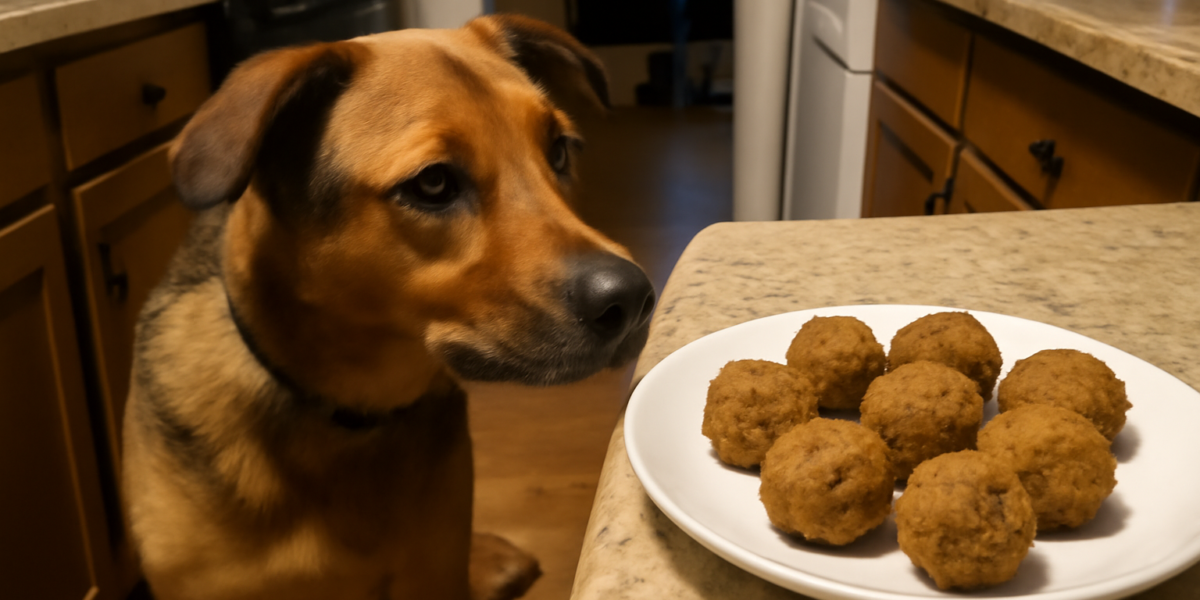
Falafel is a beloved Middle Eastern street food made from ground chickpeas or fava beans, seasoned with aromatic herbs and spices, and typically deep-fried to golden perfection. These crispy, flavorful balls or patties are a staple in Mediterranean cuisine and have become popular worldwide. If you are a falafel fan, you might have considered tossing one to your eager dog during dinner.
However, despite being made from plant-based ingredients that might seem harmless at first glance, falafel is actually one of the foods that dogs should avoid. The combination of garlic, onion, heavy spices, and deep-frying creates a food that poses multiple health risks for your canine companion. Let us break down exactly why falafel is problematic and what you can offer your dog instead.
Quick Answer: Can Dogs Eat Falafel?
No, dogs should not eat falafel. While plain chickpeas themselves are safe for dogs in moderation, the way falafel is prepared introduces several ingredients that are harmful or outright toxic to canines. Nearly every traditional falafel recipe includes garlic and onion, both of which belong to the Allium family and are well-documented toxins for dogs.
Beyond the toxic ingredients, falafel is typically deep-fried, adding excessive fat and calories that can strain your dog’s digestive system and potentially trigger pancreatitis. The heavy seasoning blend, which often includes cumin, coriander, cayenne pepper, and salt, can cause additional gastrointestinal irritation.
Even “healthier” baked falafel versions usually contain garlic and onion, making them equally dangerous. The risk of toxicity from these Allium family members is the primary concern, as even relatively small amounts can cause oxidative damage to a dog’s red blood cells, leading to a condition called hemolytic anemia. It is best to keep falafel entirely out of your dog’s reach.
Nutritional Profile of Falafel
While falafel has some nutritional merit for humans, understanding its composition helps explain why it is problematic for dogs. A typical serving of four to five falafel balls, roughly 100 grams, contains the following approximate values.
- Calories: Approximately 330 calories per 100g, largely due to deep-frying
- Fat: About 18 grams per 100g, much of it from the frying oil
- Carbohydrates: Roughly 32 grams per 100g from the chickpea base
- Protein: About 13 grams per 100g from chickpeas
- Fiber: Approximately 5 grams per 100g
- Sodium: Often 400 to 600 milligrams per 100g, depending on the recipe
- Iron: Moderate amounts from chickpeas
- Garlic and Onion: Variable amounts, but consistently present in traditional recipes — these are the most dangerous components for dogs
- Spices: Typically includes cumin, coriander, parsley, cayenne or black pepper, and sometimes paprika
The chickpea base of falafel does provide plant-based protein and fiber that could theoretically benefit dogs. However, these nutrients are completely overshadowed by the dangerous additions of garlic, onion, excessive fat, sodium, and irritating spices.
Benefits and Risks of Falafel for Dogs
Benefits
- Chickpea Nutrition (Base Ingredient Only): The chickpea foundation of falafel is rich in plant-based protein, fiber, and iron. Plain cooked chickpeas, when served separately, can be a healthy occasional snack for dogs.
- Fiber Content: The dietary fiber from chickpeas can support digestive health and regular bowel movements in dogs. However, this benefit does not justify feeding falafel with its harmful additives.
- Plant-Based Protein: Chickpeas offer a decent amount of protein, which can supplement a dog’s regular diet. Again, plain chickpeas are the way to access this benefit, not falafel.
- Mineral Content: The chickpeas in falafel contain iron, phosphorus, and manganese, all of which support various body functions in dogs.
Risks
- Garlic Toxicity: Garlic is a key ingredient in virtually all falafel recipes and is toxic to dogs. It contains compounds called thiosulfates that damage red blood cells, leading to oxidative hemolysis. Even small amounts of garlic consumed regularly can cause cumulative damage.
- Onion Toxicity: Like garlic, onion is a standard falafel ingredient and belongs to the Allium family. Onion is actually more potent than garlic in its toxicity to dogs and can cause hemolytic anemia, where the body destroys its own red blood cells.
- High Fat from Deep-Frying: The deep-frying process saturates falafel with oil, dramatically increasing its fat content. High-fat foods can trigger acute pancreatitis in dogs, a painful and potentially life-threatening condition.
- Excessive Sodium: Falafel typically contains considerable salt, which can lead to excessive thirst, dehydration, and in large amounts, sodium ion poisoning in dogs.
- Spice Irritation: Cumin, cayenne pepper, and other spices commonly used in falafel can irritate a dog’s gastrointestinal tract, causing stomach pain, vomiting, and diarrhea.
- Choking Risk: The dense, somewhat crumbly texture of falafel can pose a choking risk, particularly for smaller dogs that may try to swallow pieces whole.
How to Serve Falafel Safely to Your Dog
The straightforward recommendation is that falafel should never be served to your dog. There is no safe way to prepare traditional falafel for canine consumption because the toxic ingredients — garlic and onion — are fundamental to the recipe, not optional extras.
If your dog has accidentally eaten a small piece of falafel that fell on the floor, do not panic. A single bite-sized piece is unlikely to contain enough garlic or onion to cause immediate toxic effects in most dogs, though this depends on your dog’s size and the recipe used. Monitor your dog for any symptoms and contact your veterinarian if you have concerns.
If you want to share the spirit of falafel with your dog, the safe approach is to prepare plain cooked chickpeas without any seasoning, garlic, onion, or added fat. These can be a healthy occasional treat.
Plain chickpea portion guidelines by dog size:
- Small dogs (under 20 lbs): 1 to 2 tablespoons of plain, cooked chickpeas as an occasional treat
- Medium dogs (20-50 lbs): 2 to 3 tablespoons of plain, cooked chickpeas
- Large dogs (over 50 lbs): Up to a quarter cup of plain, cooked chickpeas
Introduce chickpeas gradually and in small amounts, as the high fiber content can cause gas and digestive discomfort if your dog is not used to legumes.
Signs of Problems After Eating Falafel
If your dog has eaten falafel, the main concerns are garlic and onion toxicity and digestive upset from the fat and spices. Symptoms may not appear immediately — garlic and onion toxicity can take several days to manifest fully, which makes it especially important to remain vigilant.
Early symptoms of Allium toxicity include vomiting, diarrhea, abdominal pain, loss of appetite, and lethargy. As the condition progresses and red blood cells are damaged, you may notice pale or yellowish gums, rapid breathing, elevated heart rate, weakness, dark-colored urine (reddish or brown), and collapse. If you observe any of these symptoms, seek veterinary care immediately.
Digestive upset from the fat and spices typically appears sooner, within a few hours of consumption. Watch for vomiting, diarrhea, excessive drooling, gas, bloating, and general restlessness or discomfort. Mild digestive symptoms from a small amount usually resolve within 24 hours.
Pancreatitis, triggered by the high fat content, may present as severe abdominal pain, repeated vomiting, hunched posture, fever, and refusal to eat. This condition requires prompt veterinary treatment and can become very serious if left untreated.
If your dog has consumed multiple falafel balls or if you know the recipe contained significant amounts of garlic and onion, do not wait for symptoms to appear. Contact your veterinarian or an animal poison control hotline proactively for guidance.
Healthy Alternatives to Falafel
If you want to share something satisfying with your dog while enjoying your falafel, here are some safe alternatives that offer real nutritional value.
- Plain cooked chickpeas: The base ingredient of falafel is perfectly safe for dogs when cooked plain. Chickpeas provide protein, fiber, and minerals without any of the dangerous additives.
- Steamed green beans: Low in calories and high in fiber, green beans are a crunchy, satisfying treat that many dogs enjoy. Serve them plain with no salt or butter.
- Cooked sweet potato: Baked or boiled sweet potato provides beta-carotene, fiber, and natural sweetness that most dogs love. Cut into small pieces appropriate for your dog’s size.
- Plain cooked lentils: Another legume option that is safe for dogs, lentils provide protein and fiber. Cook them without any seasoning and introduce them gradually.
- Cucumber slices: Fresh cucumber is hydrating, extremely low in calories, and provides a satisfying crunch. It makes an excellent everyday treat for dogs.
- Cooked pumpkin: Plain pumpkin is gentle on the stomach, rich in fiber, and provides beta-carotene and potassium. It is one of the most dog-friendly foods available.
Looking for a loyal companion to share healthy meals with? Visit our adoption page to find a dog who is ready to join your family.
Frequently Asked Questions
My dog ate one falafel ball. Should I go to the vet?
One small falafel ball is unlikely to cause severe toxicity in most medium to large dogs, but it depends on the amount of garlic and onion in the recipe and your dog’s size. For small dogs, even one falafel ball could contain a concerning amount of Allium. Monitor your dog for vomiting, diarrhea, lethargy, or pale gums over the next 72 hours. Contact your vet if any symptoms appear or if you are concerned about your dog’s size relative to the amount consumed.
Can dogs eat baked falafel instead of fried?
No. While baked falafel eliminates the concern about excessive frying oil, the core problem remains: falafel contains garlic and onion, which are toxic to dogs regardless of the cooking method. Baked falafel also still contains salt and spices that can irritate a dog’s digestive system.
Are chickpeas safe for dogs?
Yes, plain cooked chickpeas are safe for dogs in moderate amounts. They provide plant-based protein, fiber, and minerals. Cook them without any seasoning, garlic, onion, or salt. Canned chickpeas can be used if they are rinsed thoroughly to remove excess sodium. Introduce them gradually to avoid gas and digestive discomfort.
How much garlic is toxic to dogs?
According to veterinary research, as little as 15 to 30 grams of garlic per kilogram of body weight can cause toxic changes in a dog’s blood. However, some dogs may be more sensitive, and cumulative exposure from smaller amounts over time can also cause problems. Certain breeds, particularly Japanese breeds like Akitas and Shiba Inus, may be more susceptible to Allium toxicity. The safest approach is to avoid garlic entirely.
Can dogs eat hummus as an alternative to falafel?
No, hummus is also not recommended for dogs. Like falafel, hummus typically contains garlic, lemon juice, tahini, salt, and sometimes onion. These ingredients make it unsuitable for canine consumption. If you want to share the chickpea experience with your dog, plain cooked chickpeas without any additions are the only safe option.
What should I do if my dog eats falafel with tahini sauce?
Tahini itself is not toxic to dogs, but the tahini sauce served with falafel often contains garlic, lemon juice, and salt, adding to the concerns already present in the falafel. If your dog has eaten falafel with tahini sauce, monitor for all the symptoms mentioned above and contact your veterinarian if your dog shows any signs of distress or if you are concerned about the quantities consumed.
Falafel may be a delicious and nutritious food for humans, but its standard ingredients make it a poor and potentially dangerous choice for dogs. Keep your falafel to yourself and treat your dog to plain chickpeas or other safe alternatives instead. If you are looking for a four-legged dining companion who will appreciate healthy, dog-safe treats, we invite you to explore our adoption page and find a pet who needs a loving home.


