
Last updated: April 10, 2026
In this article
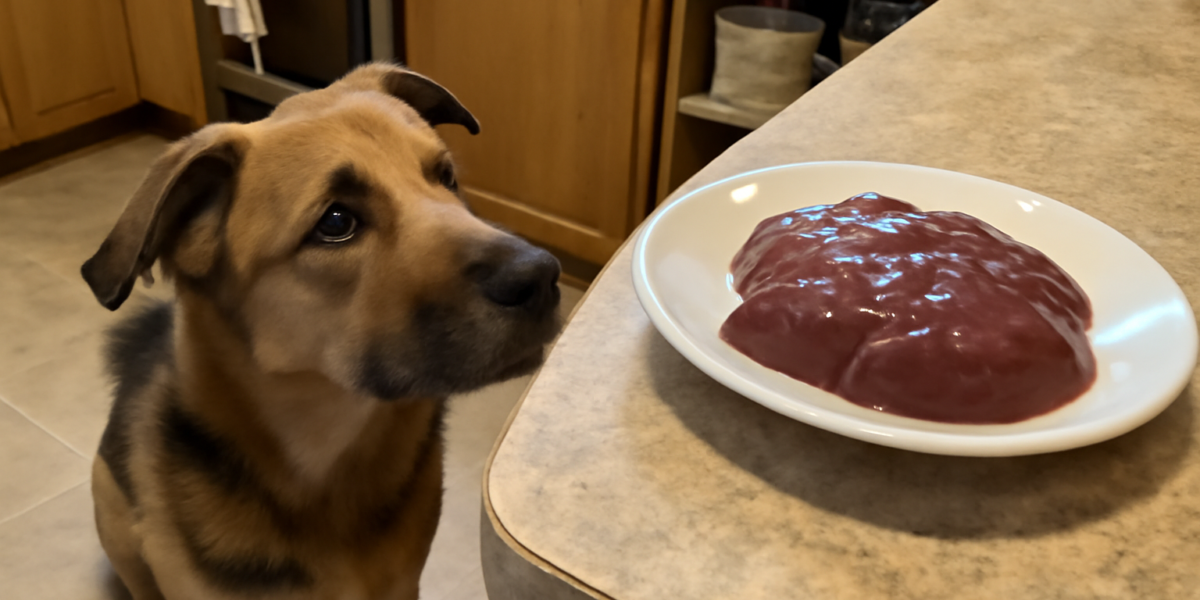
Can Dogs Eat Lamb Liver? Yes, in Moderation
Yes, dogs can eat lamb liver, and it is actually one of the most nutrient-dense foods you can offer your dog. Lamb liver is packed with vitamin A, iron, B vitamins, and high-quality protein that support everything from immune function to coat health. However, the key phrase here is “in moderation.” The extremely high vitamin A concentration in lamb liver means that overfeeding can lead to a serious condition called hypervitaminosis A.
When served in appropriate portions and prepared correctly, lamb liver makes an excellent occasional treat or meal topper. Many raw feeding advocates and home-cooking pet parents include organ meats as a core component of their dog’s diet, and for good reason. Your veterinarian can help you determine the right amount based on your dog’s size, age, and overall diet.
Nutritional Profile of Lamb Liver for Dogs
Lamb liver is sometimes called nature’s multivitamin, and the nutritional numbers back that up. A three-ounce serving of cooked lamb liver contains an impressive array of vitamins and minerals that dogs need for optimal health.
Key nutrients in lamb liver include:
- Vitamin A: over 21,000 IU per three-ounce serving, critical for vision, immune function, and cell growth
- Iron: approximately 7 milligrams per serving, supporting red blood cell production and oxygen transport
- Vitamin B12: essential for nervous system health and energy metabolism
- Riboflavin (B2): supports enzyme function and energy production
- Copper: aids in iron absorption and connective tissue formation
- High-quality protein: roughly 23 grams per three-ounce serving with all essential amino acids
The iron in lamb liver is heme iron, which is much more bioavailable than plant-based iron sources. This makes lamb liver particularly beneficial for dogs recovering from anemia, surgery, or illness where building up red blood cell counts is important.
Compared to other organ meats, lamb liver has a slightly milder flavor than beef liver, which some picky dogs prefer. It also tends to have a softer texture when cooked, making it easier to chop into small training treats.
Safe Portions by Dog Size
Because of the concentrated vitamin A content, portion control is essential when feeding lamb liver. The general guideline is that organ meats should make up no more than five percent of your dog’s total diet, with liver specifically limited to prevent vitamin A toxicity.
Recommended lamb liver portions per week:
- Small dogs (under 20 lbs): 0.5 to 1 ounce per week, split into two or three servings
- Medium dogs (20-50 lbs): 1 to 2 ounces per week, split into two or three servings
- Large dogs (50-90 lbs): 2 to 3 ounces per week, split into two or three servings
- Extra-large dogs (over 90 lbs): 3 to 4 ounces per week, split into two or three servings
Splitting the weekly allowance into smaller servings spread across multiple days is better than giving the full amount in one sitting. This approach reduces the risk of digestive upset and allows for more even nutrient absorption.
If your dog is new to lamb liver, start with half the recommended amount and increase gradually over two to three weeks. Sudden introduction of rich organ meats can cause loose stools even in dogs with otherwise strong digestive systems.
Vitamin A Toxicity: The Main Risk
Vitamin A is a fat-soluble vitamin, meaning excess amounts are stored in your dog’s body rather than excreted through urine like water-soluble vitamins. Over time, regularly exceeding safe vitamin A intake can lead to hypervitaminosis A, a condition that causes real damage to bones, joints, and organs.
Acute vitamin A toxicity from a single large serving is rare but possible if a dog consumes a very large amount of liver at once. Chronic toxicity from regular overfeeding is a more common and insidious problem because symptoms develop gradually.
Signs of vitamin A toxicity in dogs include:
- Loss of appetite and weight loss
- Stiffness, particularly in the neck and front legs
- Bone spurs and abnormal bone growth
- Lethargy and reluctance to move
- Dry, flaky skin and dull coat
- Constipation
If you suspect vitamin A toxicity, stop feeding liver immediately and consult your veterinarian. Diagnosis typically involves blood tests and X-rays to check for bone changes. Recovery is possible when caught early, but some bone damage may be permanent in advanced cases.
How to Prepare Lamb Liver for Dogs
Proper preparation ensures your dog gets the nutritional benefits of lamb liver while minimizing risks from bacteria or parasites. There are several safe ways to prepare lamb liver depending on your preference and your dog’s dietary style.
Boiled or poached: This is the simplest and safest method. Place lamb liver in a pot of plain water, bring to a gentle boil, and cook for 10 to 15 minutes until the liver is cooked through with no pink remaining inside. Do not add salt, garlic, onion, or any seasoning. Chop into bite-sized pieces appropriate for your dog’s size.
Baked: Preheat your oven to 350 degrees Fahrenheit. Place liver slices on a parchment-lined baking sheet and bake for 15 to 20 minutes. For a chewier training treat, slice very thin and bake at a lower temperature for longer to create dehydrated liver treats.
Raw: Some raw feeding protocols include raw lamb liver. If you choose this route, source liver from a reputable supplier, freeze it for at least two weeks before serving to reduce parasite risk, and handle it with the same food safety precautions you would use for raw meat intended for human consumption.
Cooked lamb liver can be stored in the refrigerator for up to three days or frozen in portioned bags for up to three months. Freezing pre-portioned amounts makes it easy to thaw exactly what you need without waste.
Signs of Trouble After Eating Lamb Liver
Most dogs tolerate lamb liver well, but some may experience digestive upset, especially during the first few introductions. Keep an eye out for these symptoms in the hours and days following a lamb liver treat.
Mild symptoms that usually resolve on their own:
- Loose stools or mild diarrhea for one to two bowel movements
- Slight decrease in appetite at the next meal
- Gas or mild stomach rumbling
Symptoms that warrant a call to your veterinarian:
- Persistent vomiting or diarrhea lasting more than 24 hours
- Blood in stool or vomit
- Lethargy, weakness, or refusal to eat for more than a day
- Signs of allergic reaction such as facial swelling, hives, or difficulty breathing
Dogs with pre-existing liver or kidney conditions should only eat lamb liver under veterinary guidance. The high protein and vitamin content that makes liver beneficial for healthy dogs can put additional strain on compromised organs.
Lamb Liver Compared to Other Organ Meats
If you are building a rotation of organ meats for your dog, lamb liver fits well alongside other options. Variety helps ensure a broader spectrum of nutrients while reducing the risk of overconsumption of any single vitamin or mineral.
Beef liver has a similar nutritional profile but is even higher in vitamin A, so portions should be slightly smaller. Chicken liver is lower in iron but still rich in B vitamins and is often the most affordable option. Lamb kidney and heart offer different nutrient profiles with less vitamin A concern, making them good complementary choices.
Rotating between different organ meats and protein sources also reduces the chance of developing food sensitivities. If your dog enjoys lamb liver, they may also enjoy rabbit meat as a novel protein option. For dogs with common protein allergies, exploring less typical meats like lamb organs can be part of an elimination diet strategy guided by your veterinarian.
Frequently Asked Questions
Can puppies eat lamb liver?
Puppies over 12 weeks old can have very small amounts of cooked lamb liver as an occasional treat. Use about half the adult portion for their weight class and offer it no more than once a week. Growing puppies are more sensitive to vitamin A excess, so extra caution with portion sizes is important.
Is lamb liver better than beef liver for dogs?
Both are excellent choices with similar nutrient profiles. Lamb liver is slightly lower in vitamin A per serving than beef liver, which provides a small margin of safety. Some dogs also prefer the milder taste of lamb liver. The best choice depends on your dog’s preferences and any protein sensitivities they may have.
Can I use lamb liver as a training treat?
Absolutely. Thinly sliced, dehydrated lamb liver makes an exceptional high-value training treat that most dogs find irresistible. Cut it into very small pieces, roughly the size of a pea, to keep the total amount consumed during a training session within safe limits. For more ideas on feeding proteins to your dog, read about whether duck necks are safe for dogs.
How do I know if I am feeding too much liver?
If your dog develops chronically loose stools, starts showing stiffness in the joints or neck, or loses interest in food, these could be signs of vitamin A accumulation. Keep a log of how much liver you feed each week across all sources, including commercial treats that contain liver. Discuss the total amount with your vet at your next wellness visit.
Can dogs eat lamb liver pate or liverwurst?
Commercial pate and liverwurst made for humans typically contain salt, garlic, onion, and other seasonings that are harmful to dogs. Stick to plain, unseasoned lamb liver that you prepare yourself. If you want a spreadable liver treat, blend cooked lamb liver with a small amount of water in a food processor. Visit our dog adoption hub for more resources on feeding and caring for your dog.


