
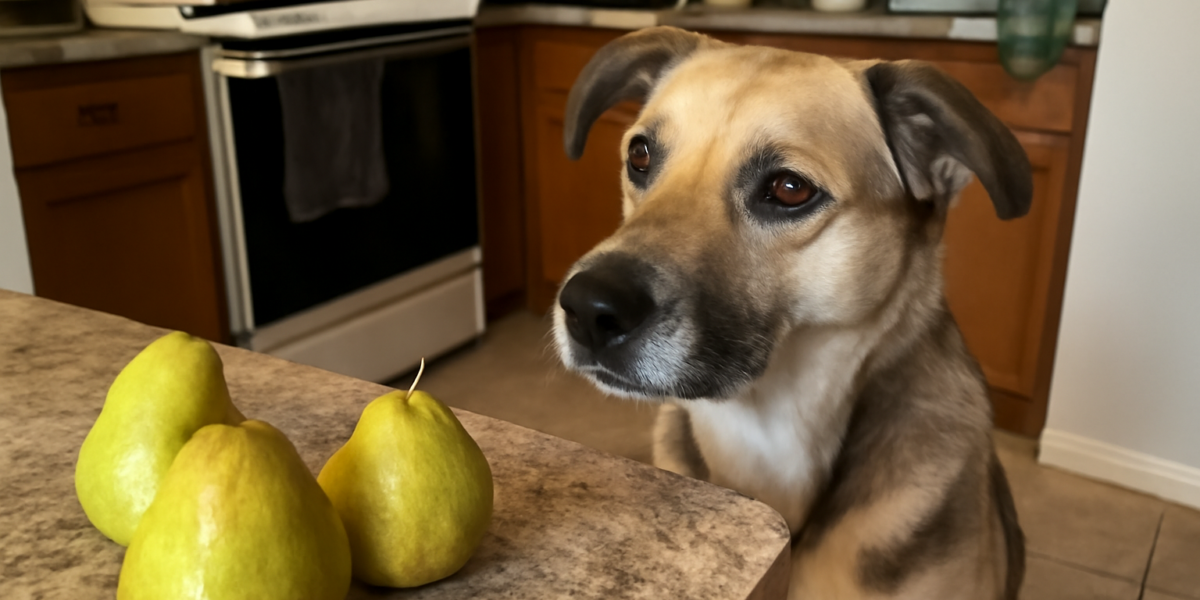
Pears are a mildly sweet, juicy fruit that many people enjoy year-round, and it is natural to wonder whether your dog can safely share in this crisp treat. The answer is encouraging. Fresh pears are safe for dogs when served properly, and they can even provide some nutritional benefits as an occasional snack. However, there are specific parts of the pear that must be avoided, and like all fruits, moderation is key. This comprehensive guide covers everything you need to know about feeding pears to your dog, from nutritional benefits to potential risks and proper serving methods.
In this article
Quick Answer: Yes, dogs can eat fresh pear flesh in moderation. Pears provide vitamin C, vitamin K, fiber, and potassium with relatively low calories. Always remove the seeds, core, and stem before feeding, as pear seeds contain amygdalin, which releases cyanide when digested. Cut pears into small, manageable pieces and offer them as an occasional treat.
Are Pears Safe for Dogs?
The flesh of fresh, ripe pears is safe for dogs. Pears are non-toxic and are generally well-tolerated by most dogs when prepared correctly and fed in moderation. They are a good choice for a natural, low-calorie treat that provides hydration along with vitamins and fiber.
The parts of the pear that are not safe are the seeds, core, and stem. Pear seeds, like apple seeds, contain amygdalin, a compound that breaks down into hydrogen cyanide when chewed and metabolized. While a dog would need to consume a significant number of crushed seeds to experience cyanide poisoning, it is best practice to remove all seeds to eliminate any risk. The core is hard and fibrous, posing a choking hazard and potential for intestinal blockage, especially in smaller dogs. The stem can also be a choking hazard and offers no nutritional value.
Canned pears are not recommended for dogs. They are almost always packed in heavy syrup or juice with added sugars that are unnecessary and potentially harmful for dogs. If you can find canned pears packed in water with no added sugar or preservatives, they could be acceptable in a pinch, but fresh pears are always the better choice.
Nutritional Profile of Pears for Dogs
Pears are a moderately nutritious fruit with a good balance of vitamins, minerals, and fiber relative to their calorie content. One medium pear, approximately 178 grams, provides roughly 101 calories, 27 grams of carbohydrates, 6 grams of fiber, 0.3 grams of fat, and less than 1 gram of protein.
Key nutrients in pears that can benefit dogs include:
- Dietary fiber: Pears are an excellent source of both soluble and insoluble fiber. A medium pear provides about 6 grams of fiber, which is notably high among common fruits. This fiber supports digestive health and can help regulate bowel movements.
- Vitamin C: Provides antioxidant protection against cellular damage. While dogs synthesize their own vitamin C, supplemental sources can be beneficial during periods of stress or illness.
- Vitamin K: Important for proper blood clotting and bone metabolism.
- Potassium: Supports muscle function, nerve signaling, and fluid balance.
- Copper: Plays a role in iron metabolism, connective tissue formation, and the nervous system.
- Water content: Pears are approximately 84 percent water, making them a hydrating treat, particularly in warm weather.
Compared to apples, pears have a slightly softer texture and higher water content, making them gentler on the teeth and easier for some dogs to chew. Nutritionally, the two fruits are quite similar, with pears offering slightly more fiber per serving.
Benefits of Pears for Dogs
The high fiber content of pears is perhaps their greatest benefit for dogs. Fiber plays a crucial role in digestive health by promoting regular bowel movements, supporting healthy gut bacteria, and helping to maintain stable blood sugar levels. For dogs prone to constipation, the combination of soluble and insoluble fiber in pears can help soften stool and stimulate intestinal motility. The soluble fiber in pears also acts as a prebiotic, feeding the beneficial bacteria in the gut that contribute to a healthy microbiome.
The high water content of pears makes them an excellent hydrating snack, especially during hot summer months or after exercise. Dogs that are reluctant water drinkers may benefit from the additional hydration that water-rich fruits like pears provide.
Pears are relatively low in calories compared to many commercial dog treats, making them a reasonable option for dogs that need to watch their caloric intake. Replacing calorie-dense biscuits or jerky treats with a few small pieces of fresh pear can help support weight management goals without depriving your dog of treat time.
The antioxidant compounds in pears, including vitamin C, copper, and various flavonoids concentrated in the skin, can help protect cells from oxidative damage. While the impact of any single fruit serving is modest, a diet that includes a variety of antioxidant-rich whole foods can support overall long-term health.
The natural sweetness and juicy texture of pears make them appealing to many dogs, offering a satisfying treat experience that also provides genuine nutritional value. This can be particularly useful for training, as small pear pieces can serve as a low-calorie, high-value reward.
Risks and Side Effects of Pears for Dogs
Seeds and cyanide. Pear seeds contain amygdalin, which converts to hydrogen cyanide during digestion. While the amount of cyanide in a few pear seeds is very small, consistent or large exposure could be harmful. Always core the pear and remove all seeds before feeding it to your dog. If your dog accidentally swallows a few seeds, do not panic, as the risk from a small number of intact seeds is very low, but make it a habit to remove them going forward.
Choking hazard. Whole pears or large chunks can pose a choking risk, particularly for small dogs or dogs that tend to gulp food without chewing. The hard core is especially dangerous. Always cut pears into small, bite-sized pieces that are appropriate for your dog’s size.
Sugar content. A medium pear contains approximately 17 grams of natural sugar. While natural fruit sugars are not as concerning as added sugars, they still represent a caloric load that should be accounted for, especially for dogs with diabetes, insulin resistance, or weight management needs. Feed pears in small amounts and not as a daily staple.
Digestive upset. The fiber content that makes pears beneficial can also cause problems if a dog eats too much. Excessive fiber intake can lead to diarrhea, loose stools, gas, or abdominal discomfort. This is especially true for dogs that are not accustomed to eating fruit. Start with a small amount and increase gradually.
Pesticide residue. Pears are among the fruits that may carry higher pesticide residues when conventionally grown. Wash pears thoroughly under running water before preparing them for your dog. If possible, choose organic pears to minimize pesticide exposure. Peeling the pear will further reduce residue, though it also removes some of the beneficial fiber and antioxidants concentrated in the skin.
How Much Pear Can Dogs Eat?
Pear should be treated as an occasional treat, following the guideline that treats should not exceed 10 percent of your dog’s daily caloric intake:
- Small dogs (under 20 lbs): 2 to 3 small pieces of pear, once or twice per week
- Medium dogs (20–50 lbs): 4 to 6 pieces of pear, equivalent to roughly one-quarter of a medium pear, once or twice per week
- Large dogs (50 lbs and over): Up to half a medium pear, cut into pieces, once or twice per week
When introducing pear for the first time, offer just one or two small pieces and wait 24 hours to see how your dog responds before increasing the amount. Some dogs may be more sensitive to the fiber or sugar content than others.
How to Prepare Pears for Dogs
Start by washing the pear thoroughly under cool running water to remove any dirt, wax, or pesticide residue. Select a ripe pear that yields slightly to gentle pressure near the stem. Pears that are too hard may be difficult for dogs to chew, while overly ripe or mushy pears may have begun to ferment and should be avoided.
Cut the pear in half and remove the entire core, including all seeds and the stem. You can leave the skin on if the pear is organic or has been thoroughly washed, as the skin contains additional fiber and nutrients. If you prefer to err on the side of caution regarding pesticides, peel it.
Cut the pear flesh into small, bite-sized pieces. For small dogs, pieces should be roughly the size of a pea. For medium and large dogs, pieces can be slightly larger but should still be small enough to prevent choking. Offer the pieces directly as treats, mix them into your dog’s regular food, or use them as training rewards.
For a refreshing summer treat, freeze pear pieces on a parchment-lined tray for a couple of hours. Frozen pear chunks make a cooling snack and also work well stuffed into food puzzle toys. You can also blend fresh pear with a small amount of plain yogurt and freeze the mixture in silicone molds for a frozen enrichment treat.
Signs of a Problem After Eating Pear
Most dogs handle pear well, but watch for these signs of a potential issue:
- Diarrhea or soft, watery stool
- Gas or bloating
- Vomiting or nausea
- Abdominal discomfort
- Reduced appetite at the next meal
- Choking or gagging, especially if large pieces or the core were consumed
If your dog ate the core, seeds, or a very large amount of pear, watch for more serious signs including persistent vomiting, abdominal pain, straining to defecate, or lethargy, which could indicate a gastrointestinal blockage. Contact your veterinarian if any concerning symptoms develop.
Alternatives to Pears for Dogs
Apples are the most similar alternative to pears, offering a comparable nutritional profile with a crunchier texture that many dogs enjoy. Like pears, apple seeds must be removed. Blueberries are antioxidant powerhouses that are small enough to serve as ready-made treats without much preparation. Watermelon provides even more hydration than pears with fewer calories, though it also has less fiber. Bananas offer potassium and natural sweetness, though they are more calorie-dense and should be given in smaller amounts. Strawberries provide vitamin C and antioxidants with a flavor most dogs love. Cucumbers are an excellent nearly zero-calorie option for dogs that need maximum hydration with minimal sugar.
If you have recently adopted a dog, offering safe fruits like pears as occasional treats is a wonderful way to bond with your new companion while providing healthy variety in their diet.
Can dogs eat pear skin?
Yes, pear skin is safe for dogs to eat and actually contains beneficial fiber and antioxidants. However, the skin may also harbor pesticide residues, so wash the pear thoroughly before serving or choose organic when possible. If your dog has a very sensitive stomach, peeling the pear may reduce the risk of mild digestive upset, though most dogs handle the skin without any problems.
Can dogs eat canned pears?
Canned pears are not recommended for dogs. Most canned pears are packed in heavy syrup or sweetened juice that contains excessive sugar and sometimes artificial sweeteners. Xylitol, an artificial sweetener that is extremely toxic to dogs, is occasionally used in sugar-free canned fruit products. Always check labels carefully. If you cannot find fresh pears, look for canned pears in water with no added sugar or sweeteners, and rinse them before serving.
Are pears good for dogs with constipation?
Pears can be helpful for dogs with mild constipation due to their high fiber and water content. The combination of soluble and insoluble fiber can help soften stool and promote intestinal motility. However, pears should not be relied upon as a primary treatment for constipation. If your dog experiences chronic or recurring constipation, consult your veterinarian. Pumpkin is generally considered a more effective and well-studied fiber source for managing canine constipation.
Can puppies eat pears?
Puppies over three months old can eat small pieces of fresh pear as an occasional treat. Cut the pear into very small pieces to prevent choking, remove all seeds and the core, and start with just one or two pieces to gauge tolerance. Puppies have more sensitive digestive systems, so the fiber in pears may cause soft stool if too much is given. Pear should never replace any portion of a balanced puppy diet.
How many pears can a dog eat per day?
Pears should be an occasional treat, not a daily food. Even for large dogs, no more than half a medium pear per serving is recommended, and pear should not be fed every day. Two to three times per week is a reasonable frequency. Overfeeding pears can lead to digestive upset from excess fiber and contribute unnecessary sugar and calories to your dog’s diet.


