
Last updated: April 1, 2026
In this article
Can Dogs Eat Persimmon? Understanding the Risks and Benefits
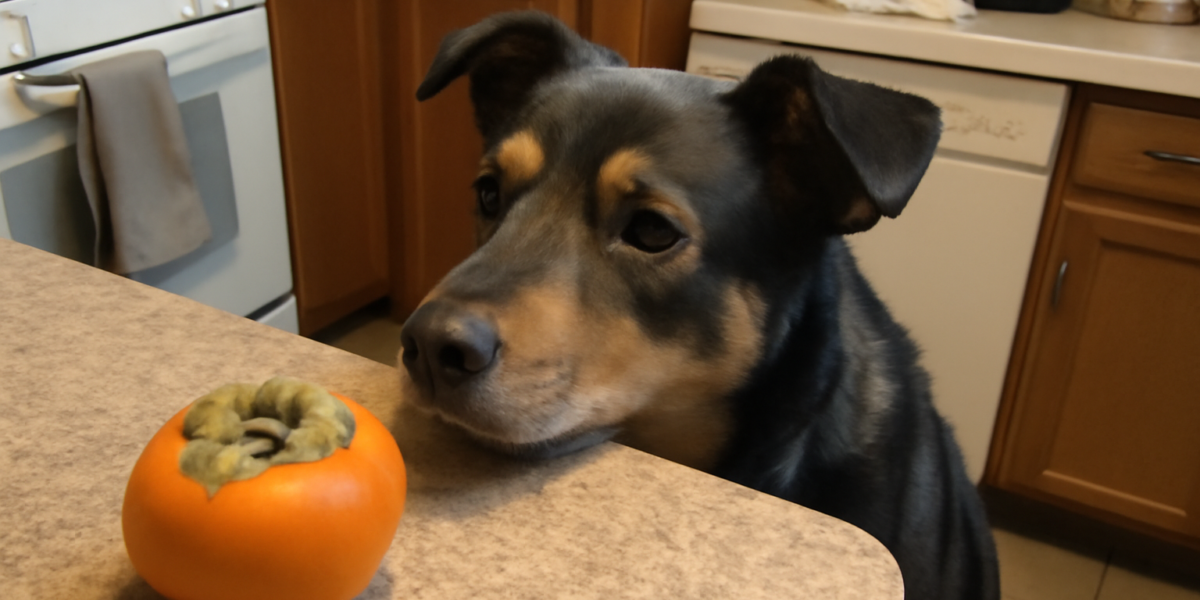
Persimmons are sweet, honey-flavored fruits that arrive in markets during the fall and winter months, bringing a burst of warm color and flavor to the season. Whether you prefer the firm Fuyu variety eaten like an apple or the soft, jelly-like Hachiya type, persimmons are a delightful treat for humans. But when your dog looks longingly at this orange fruit, you need to know the full picture before sharing.
The flesh of ripe persimmon is not toxic to dogs and can be offered in small amounts as an occasional treat. However, persimmons come with a significant safety warning: the seeds, pit, and stem can cause serious digestive problems, including intestinal blockage. This makes persimmon one of those fruits that requires careful preparation and thoughtful portion control. In this guide, we will walk you through everything you need to know to make an informed decision about feeding persimmons to your dog.
Is Persimmon Safe for Dogs?
The flesh of a ripe persimmon is generally safe for dogs to eat in moderation. It is not listed among toxic foods for dogs, and when properly prepared with all seeds, pit material, and skin removed, the soft fruit can be an enjoyable treat for your canine companion.
However, the safety of persimmon comes with several important conditions. The seeds and pit of the persimmon are the primary concern. Persimmon seeds are large enough to cause an obstruction in the intestinal tract, particularly in small and medium-sized dogs. Even in large dogs, consuming multiple seeds or pit fragments can create a dangerous blockage that may require surgical intervention.
There is also the matter of tannins. Unripe persimmons are extremely high in tannins, which give the fruit that distinctive mouth-puckering astringency. These tannins can cause significant stomach irritation in dogs, leading to vomiting, diarrhea, and abdominal discomfort. Only fully ripe persimmons should ever be considered for sharing with your dog.
The skin of the persimmon is another consideration. While not toxic, the skin can be tough and difficult for dogs to digest, especially in larger pieces. Removing the skin reduces the risk of digestive irritation and choking.
Given these caveats, persimmon is best categorized as a fruit that requires caution. It is not an ideal everyday treat, but when properly prepared and served in small quantities, it can be a safe seasonal indulgence for your dog.
Nutritional Profile and Potential Benefits
When it comes to nutrition, persimmons have a lot to offer. Here are the key nutrients found in this fruit and how they may benefit your dog:
Vitamin A: Persimmons are exceptionally rich in vitamin A, particularly in the form of beta-carotene, which gives the fruit its vibrant orange color. Vitamin A supports vision health, immune function, skin and coat health, and proper cell growth. It is especially important for growing puppies and senior dogs.
Vitamin C: This antioxidant vitamin supports immune function and helps combat oxidative stress. While dogs produce their own vitamin C, supplemental amounts from food sources can be beneficial during periods of stress or illness.
Fiber: Persimmons provide both soluble and insoluble fiber, which supports digestive health and can help regulate bowel movements. The soluble fiber also acts as a prebiotic, nourishing beneficial gut bacteria.
Manganese: This trace mineral is important for bone health, metabolism, and antioxidant enzyme function. Persimmons provide a meaningful amount of manganese in each serving.
Potassium: Essential for proper muscle function, nerve signaling, and fluid balance, potassium supports cardiovascular health and overall cellular function in dogs.
Antioxidants: Persimmons contain a variety of antioxidant compounds, including catechins, gallocatechins, and carotenoids. These help protect cells from damage caused by free radicals and may contribute to long-term health benefits.
Natural sugars: Ripe persimmons are quite sweet, containing about 12 to 13 grams of sugar per fruit. While these natural sugars provide quick energy, they also mean that portion control is especially important for dogs with diabetes or weight management concerns.
The Danger of Persimmon Seeds and Pits
The most significant risk associated with feeding persimmons to dogs involves the seeds and pit material. This is not a minor concern and deserves special attention from every dog owner considering this fruit.
Persimmon seeds are relatively large, smooth, and hard. Unlike the tiny seeds found in fruits like strawberries or watermelon, persimmon seeds are substantial enough to become lodged in a dog’s intestinal tract. A single seed can potentially cause a blockage in a small dog, while multiple seeds pose a risk for dogs of any size.
Intestinal obstruction is a serious, potentially life-threatening condition that often requires emergency surgery to resolve. When a seed or other foreign object blocks the passage of food through the digestive tract, it can cause the intestinal tissue to become inflamed, damaged, or even necrotic if blood supply is cut off. Without prompt treatment, an intestinal blockage can be fatal.
The symptoms of intestinal blockage may not appear immediately. They can develop anywhere from hours to days after ingestion, depending on where the obstruction occurs. Common signs include persistent vomiting, loss of appetite, abdominal pain, inability to keep water down, straining to defecate, lethargy, and a distended abdomen.
Beyond seeds, some persimmon varieties contain a central pit or pit-like structure that is even more concerning. This harder, larger material is more difficult to pass naturally and more likely to cause obstruction.
The bottom line: always remove every seed and any pit material from a persimmon before offering it to your dog. If there is any doubt about whether all seeds have been removed, it is better to skip the fruit entirely. Dogs that eat similar stone fruits should also be aware of the risks. Learn more about the seed dangers in peaches and plums.
How to Prepare Persimmon for Your Dog
If you decide to share persimmon with your dog, careful preparation is essential. Follow these steps:
Step 1: Choose the right variety and ripeness. Fuyu persimmons, the squat, tomato-shaped variety, are generally the better choice for dogs because they can be eaten while still firm and have a less astringent flavor profile. Hachiya persimmons, the elongated, acorn-shaped variety, must be completely soft and ripe before eating, as unripe Hachiyas are extremely high in tannins. Regardless of variety, the fruit should be fully ripe.
Step 2: Wash thoroughly. Rinse the persimmon under running water to remove any pesticide residues, dirt, or surface contaminants.
Step 3: Remove the stem and leaves. Cut away the calyx, which is the leafy cap at the top of the fruit, and the stem. These parts are fibrous and not suitable for canine consumption.
Step 4: Peel the skin. While the skin is not toxic, it can be tough and difficult for dogs to digest. Peeling the fruit reduces the risk of digestive upset and choking.
Step 5: Remove all seeds. This is the most critical step. Cut the persimmon open and carefully inspect for seeds. Remove every single seed you find. Some persimmons have no seeds while others may contain several. Do not assume a persimmon is seedless without checking.
Step 6: Cut into small pieces. Dice the seedless, peeled flesh into small, bite-sized pieces appropriate for your dog’s size. For small dogs, very small cubes are best. For larger dogs, slightly larger pieces are fine.
Step 7: Serve fresh and plain. Offer the prepared persimmon immediately. Do not add any sugar, cinnamon, or other seasonings. Do not offer dried persimmon, which has a concentrated sugar content and may be more difficult to digest.
Portion Sizes and Feeding Guidelines
Due to the relatively high sugar content of persimmons, portions should be kept small and the fruit should be offered only occasionally.
Extra-small dogs (under 10 pounds): One to two small cubes of persimmon flesh, no more than once per week.
Small dogs (10 to 25 pounds): Two to three small cubes, once per week.
Medium dogs (25 to 50 pounds): Up to two tablespoons of diced persimmon, once per week.
Large dogs (50 to 75 pounds): Up to a quarter of a persimmon, once per week.
Extra-large dogs (over 75 pounds): Up to a third of a persimmon, once per week.
When introducing persimmon for the first time, offer only a tiny piece and observe your dog for 24 to 48 hours for any signs of digestive upset or allergic reaction. If your dog tolerates it well, you can gradually increase to the recommended portion size over subsequent servings.
Dogs with diabetes should generally avoid persimmons due to the high natural sugar content. Dogs with a history of digestive sensitivity or gastrointestinal issues should also approach this fruit with extra caution, and a veterinary consultation before introducing it is advisable.
Potential Risks Beyond Seeds
While seeds are the primary concern, there are additional risks to consider when feeding persimmons to dogs:
Tannin content: Even ripe persimmons contain some tannins, though significantly less than unripe fruit. Dogs with sensitive stomachs may experience irritation from these tannins, resulting in vomiting, diarrhea, or general digestive discomfort.
Sugar content: The high sugar content in ripe persimmons can contribute to weight gain if fed regularly. For dogs with diabetes, even the natural sugars in persimmon can cause problematic blood sugar spikes. Dogs that are overweight or on calorie-restricted diets should have persimmon portions carefully limited or avoided altogether.
Digestive upset: Any new food can cause digestive upset in dogs, and persimmons are no exception. The combination of fiber, sugar, and tannins can be too much for some dogs’ digestive systems, particularly if they eat more than a small amount.
Bezoar formation: In rare cases, the tannins in persimmons can contribute to the formation of bezoars, which are compacted masses of undigested material in the stomach or intestines. This is more likely with unripe persimmons or when large quantities are consumed. Bezoars can cause obstruction and may require surgical removal.
Allergic reactions: Though uncommon, some dogs may have an allergic reaction to persimmons. Watch for itching, hives, facial swelling, or respiratory symptoms after feeding.
Signs of Trouble and When to Contact Your Vet
Knowing the warning signs of both digestive upset and intestinal obstruction is crucial for any dog owner who feeds persimmon.
Mild digestive upset: Soft stools, minor gas, a single episode of vomiting, or temporary decrease in appetite. These are usually not cause for alarm and typically resolve within 24 hours. Discontinue persimmon if these symptoms occur.
Concerning symptoms to monitor: Repeated vomiting, diarrhea lasting more than a day, persistent loss of appetite, visible discomfort after eating, or excessive drooling. Contact your veterinarian if these symptoms persist or worsen.
Emergency symptoms of intestinal obstruction: Uncontrollable vomiting, inability to keep food or water down, straining to defecate with no results, a bloated or hard abdomen, severe lethargy, whimpering or signs of severe pain, and dehydration. These symptoms require immediate emergency veterinary care. Intestinal obstruction from persimmon seeds can become life-threatening within hours.
If you know or suspect that your dog has consumed persimmon seeds, contact your veterinarian right away rather than waiting for symptoms to develop. Early intervention can prevent a minor situation from becoming a surgical emergency.
Frequently Asked Questions
Can dogs eat dried persimmon?
Dried persimmon is not recommended for dogs. The drying process concentrates the sugars, making dried persimmon significantly higher in sugar per serving than fresh fruit. The concentrated tannins in dried persimmon can also be more irritating to a dog’s digestive system. Additionally, dried fruit tends to be stickier and can pose more of a choking risk. If you want to share persimmon with your dog, stick to small amounts of fresh, ripe, seedless fruit.
What is the difference between Fuyu and Hachiya persimmons for dogs?
Fuyu persimmons are the safer choice for dogs. They are the squat, flat-bottomed variety that can be eaten while still somewhat firm. They have lower tannin levels even before full ripeness. Hachiya persimmons are the elongated, pointed variety that must be extremely soft and ripe before eating. Unripe Hachiya persimmons have very high tannin levels that can cause severe stomach upset in dogs. If using Hachiya persimmons, ensure they are so ripe that the flesh is almost jelly-like before considering sharing with your dog.
My dog swallowed a persimmon seed. What should I do?
Contact your veterinarian for guidance. A single seed may pass through a large dog’s system without causing problems, but smaller dogs are at higher risk for obstruction. Your vet may recommend monitoring your dog at home or may want to examine your dog or take X-rays depending on your dog’s size and the number of seeds ingested. Watch for signs of obstruction including vomiting, loss of appetite, straining to defecate, abdominal pain, and lethargy over the next 24 to 72 hours. If any of these symptoms develop, seek emergency veterinary care immediately.
Are persimmon leaves or bark safe for dogs?
No, persimmon leaves and bark should not be consumed by dogs. While persimmon leaf tea is used in some traditional medicine practices for humans, the leaves and bark contain higher concentrations of tannins than the fruit and may contain other compounds that could be irritating or harmful to dogs. Keep your dog away from persimmon trees, and if you grow them in your yard, be mindful of fallen fruit that your dog might eat, particularly fruit that has not been properly deseeded.
Persimmon can be a safe seasonal treat for your dog when you take the time to prepare it properly. The key is always removing every seed, using only ripe fruit, peeling the skin, and keeping portions small. Given the risk associated with seeds and pits, many dog owners may prefer to choose safer, simpler fruits for their dogs, and that is a perfectly reasonable decision. When in doubt, your veterinarian is the best resource for dietary advice specific to your dog.


