
Last updated: March 31, 2026
In this article
Can Dogs Eat Pretzels? Understanding the Risks of This Popular Snack
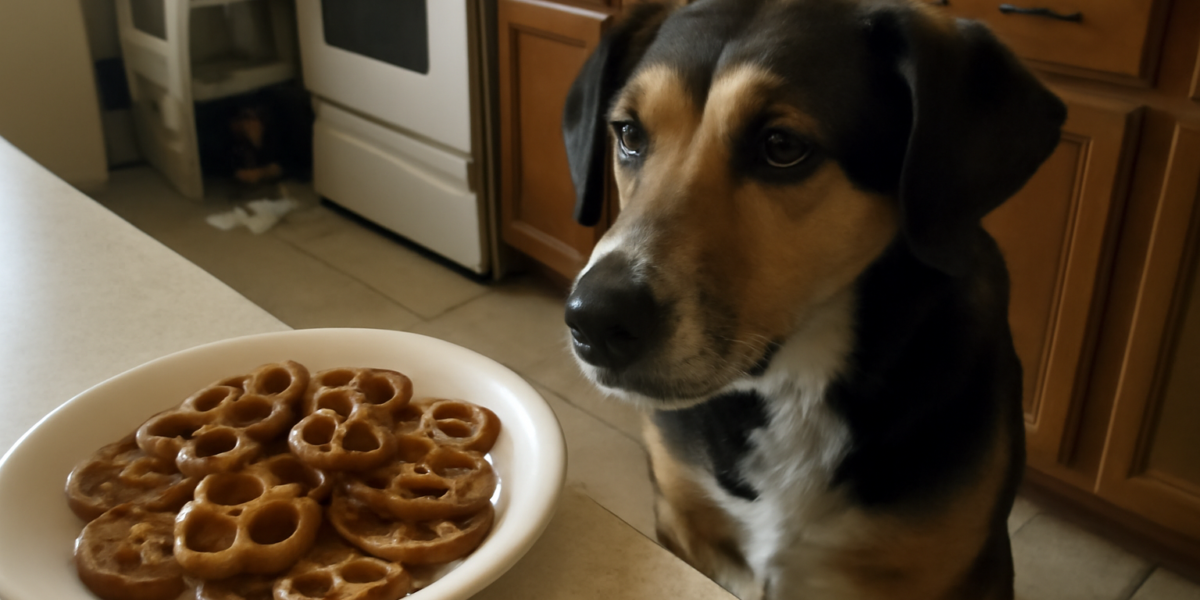
Pretzels are one of those snack foods that seem harmless enough to share with your dog. They are not chocolate, they are not grapes, and they are made from basic ingredients like flour and water. So when your dog stares longingly at the pretzel in your hand, you might be tempted to toss one over. But should you?
The short answer is that while a single plain pretzel is unlikely to cause serious harm, pretzels are not a good snack choice for dogs. The high sodium content, potential for harmful seasonings, and lack of nutritional value make pretzels a treat that is better left on the human side of the snacking equation. This guide breaks down exactly why pretzels are problematic for dogs, which types pose the greatest risk, and what to do if your dog helps itself to a handful.
Are Pretzels Safe for Dogs?
Plain pretzels in very small quantities are not toxic to dogs. If your dog eats a single unsalted pretzel that falls on the floor, there is no need to panic. The basic ingredients in a standard pretzel, which include flour, water, yeast, sugar, and butter or oil, are not inherently dangerous to dogs.
However, saying something is not toxic is very different from saying it is safe or healthy. The primary concern with pretzels is their sodium content. Standard salted pretzels are loaded with salt, and dogs are far more sensitive to sodium than humans. A single serving of salted pretzel sticks can contain 400 to 500 milligrams of sodium. For a small dog, this represents a significant portion of its safe daily sodium intake.
Beyond the salt, many pretzels come with seasonings, coatings, and fillings that add additional risks. Garlic-flavored pretzels, onion pretzels, chocolate-covered pretzels, and yogurt-coated pretzels all introduce ingredients that range from mildly problematic to genuinely toxic for dogs.
The basic flour and carbohydrate content of pretzels also provides essentially zero nutritional benefit for dogs. They are empty calories that contribute to weight gain without offering any of the vitamins, minerals, or protein that your dog needs. For a deeper look at common snack foods and their safety for dogs, our foods toxic to dogs resource provides a comprehensive reference.
The Sodium Problem: Why Salt Matters
Salt is the biggest concern when it comes to dogs and pretzels. Dogs need some sodium in their diet for proper nerve and muscle function, and their regular commercial dog food provides an appropriate amount. Additional sodium from salty snacks like pretzels can push intake well beyond safe levels.
Mild sodium overconsumption typically causes increased thirst and urination. Your dog may drink excessively and need more frequent trips outside. While this is not dangerous in isolation, it is a sign that the body is working to flush out excess sodium.
Moderate sodium overconsumption can lead to gastrointestinal upset including vomiting and diarrhea. The salt draws water into the digestive tract, causing loose stools, and can irritate the stomach lining.
Severe salt toxicity is a medical emergency. While it is unlikely from eating a few pretzels, a small dog that consumes a large quantity of salted pretzels could be at risk. Symptoms of salt toxicity include vomiting, diarrhea, lethargy, excessive thirst, tremors, seizures, and in extreme cases, coma or death. The toxic dose of sodium for dogs is approximately 2 to 3 grams per kilogram of body weight, but symptoms can appear at lower doses.
To put this in perspective, a 10-pound dog that eats a cup of salted pretzel sticks has consumed a meaningful amount of sodium relative to its body size. While this alone is unlikely to cause salt toxicity, it is enough to cause noticeable discomfort and digestive upset. The smaller the dog, the greater the risk from any given amount of salty food.
Types of Pretzels and Their Risk Levels
Not all pretzels carry the same risk. Understanding which types are most problematic helps you assess the situation if your dog gets into your pretzel stash.
Unsalted hard pretzels are the least risky option. Without the salt coating, the primary concern is just the empty carbohydrate calories. A few unsalted pretzel sticks will not hurt most dogs, though they still offer no nutritional benefit.
Salted hard pretzels carry a moderate risk due to their sodium content. A small quantity is unlikely to cause serious problems for a medium or large dog but could cause digestive upset in a small dog.
Soft pretzels are often brushed with butter and coated with coarse salt. The higher butter content adds fat, which can be problematic for dogs prone to pancreatitis. Soft pretzels from restaurants and concession stands may also contain garlic butter or other seasonings that are not immediately obvious.
Flavored pretzels including garlic, onion, jalapeño, and everything-seasoned varieties are the most concerning from a toxicity standpoint. Garlic and onion are toxic to dogs and can damage red blood cells, leading to anemia. Even the powdered garlic and onion used in pretzel seasonings can be harmful. If your dog eats garlic or onion-flavored pretzels, monitor closely and contact your veterinarian.
Chocolate-covered pretzels combine the sodium concern of pretzels with the toxicity risk of chocolate. Chocolate contains theobromine, which dogs metabolize much more slowly than humans. Dark chocolate is more dangerous than milk chocolate, but any chocolate-covered pretzel should be kept away from dogs.
Filled pretzels with cheese, peanut butter, or other fillings add additional ingredients to evaluate. Plain peanut butter filling is generally safe as long as it does not contain xylitol, but cheese fillings add fat and sodium, and some specialty fillings may contain ingredients that are problematic for dogs.
For a comparison with another common carbohydrate snack, our article on can dogs eat bread discusses the safety of plain bread products. And if you are curious about another popular movie-night snack, can dogs eat popcorn covers the dos and don’ts of sharing popcorn.
What to Do If Your Dog Eats Pretzels
The appropriate response depends on the quantity consumed, the type of pretzel, and the size of your dog.
A few plain or unsalted pretzels: No action needed for most dogs. Monitor for any digestive upset and ensure fresh water is available. This is a non-event for most dogs.
A moderate amount of salted pretzels: Provide plenty of fresh water and monitor for vomiting, diarrhea, or excessive thirst. If your dog seems uncomfortable, call your veterinarian for guidance. Most dogs will recover from mild sodium overconsumption without intervention once they have access to water.
A large quantity of salted pretzels, especially for a small dog: Contact your veterinarian. Describe the type and approximate amount of pretzels consumed and your dog’s weight. Your vet may recommend monitoring at home or may want to see your dog for evaluation, especially if vomiting or other symptoms develop.
Flavored pretzels with garlic, onion, or chocolate: Contact your veterinarian or the ASPCA Animal Poison Control Center immediately. Provide as much detail as possible about the ingredients and quantity consumed. Do not wait for symptoms to appear, as early intervention is always preferable with potential toxicity.
Pretzel dough: Raw pretzel dough is more dangerous than baked pretzels because the yeast can continue to ferment in the dog’s warm stomach, producing alcohol and carbon dioxide. The alcohol can cause intoxication and the gas can cause dangerous gastric distension. If your dog eats raw pretzel dough, contact your veterinarian immediately, as this is a genuine emergency.
Healthier Alternatives to Pretzels
If you want to share snack time with your dog, there are many options that are both safer and more nutritious than pretzels.
Carrot sticks are low in calories, high in fiber and beta-carotene, and most dogs love the crunchy texture. They make an excellent substitute for the crunch factor of pretzels.
Apple slices without seeds provide natural sweetness, fiber, and vitamins. Remove the core and seeds first, as apple seeds contain small amounts of cyanide compounds.
Plain air-popped popcorn without butter or salt gives your dog the satisfaction of a crunchy snack without the sodium load of pretzels. Offer only a small amount and remove any unpopped kernels.
Frozen blueberries are packed with antioxidants and make a refreshing low-calorie treat, especially in warm weather. Their small size makes them perfect for training rewards as well.
Small pieces of plain, cooked chicken or turkey provide high-quality protein that your dog’s body can actually use, unlike the empty carbohydrates in pretzels.
Commercial dog treats formulated for canine nutrition are always a reliable choice. Look for options with limited, recognizable ingredients and appropriate sodium levels.
Understanding Sodium Requirements in Dogs
To understand why salty snacks like pretzels are problematic, it helps to know a bit about canine sodium requirements. Dogs do need sodium for essential body functions including maintaining fluid balance, transmitting nerve impulses, and supporting muscle contraction. However, the amount they need is far less than what most salted human snacks contain.
The Association of American Feed Control Officials recommends a minimum of 0.3 percent sodium in dry dog food on a dry matter basis. Most commercial dog foods provide sodium within the range of 0.3 to 1 percent, which meets all of a healthy dog’s needs. Additional sodium from salty snacks is purely excess that the body must process and eliminate.
Dogs with certain health conditions, including heart disease, kidney disease, and hypertension, may be on sodium-restricted diets prescribed by their veterinarian. For these dogs, even a small amount of salty pretzel could be problematic and should be strictly avoided.
Healthy dogs with normal kidney function can typically handle occasional minor sodium excess by drinking more water and excreting the extra sodium through urine. But this is not a reason to feed salty snacks regularly. The cumulative effect of frequent sodium excess can contribute to long-term health issues, and it is simply better practice to choose treats that align with rather than work against your dog’s nutritional needs.
Frequently Asked Questions
Can dogs eat unsalted pretzels?
Unsalted pretzels are much less risky than their salted counterparts because they eliminate the primary concern of excessive sodium. However, they still provide no nutritional benefit for dogs and are essentially empty carbohydrate calories. A few unsalted pretzel sticks as a rare treat will not harm most dogs, but healthier alternatives like carrot sticks or apple slices provide actual nutritional value alongside the crunch. If you must share a pretzel, unsalted is definitely the way to go.
My small dog ate a bag of salted pretzels. What should I do?
Contact your veterinarian immediately. A full bag of salted pretzels represents a significant sodium load for a small dog and could potentially cause salt toxicity. Provide access to fresh water while you wait for veterinary guidance, but do not force your dog to drink. Watch for symptoms including vomiting, diarrhea, lethargy, tremors, and excessive thirst. Your veterinarian may want to examine your dog and potentially administer intravenous fluids to help flush the excess sodium from the system.
Are pretzel sticks safer than pretzel twists for dogs?
The shape of the pretzel does not significantly affect its safety. What matters is the sodium content, seasonings, and total quantity consumed. Pretzel sticks and pretzel twists made by the same brand typically have similar sodium levels per serving. The main consideration is that pretzel sticks are smaller, making it easier to inadvertently consume a larger number. Whether sticks or twists, the same guidelines apply: avoid salted varieties, never offer flavored pretzels, and keep quantities minimal.


