
Last updated: May 4, 2026
In this article
Can Dogs Eat Rhubarb? Safety Guide & Tips
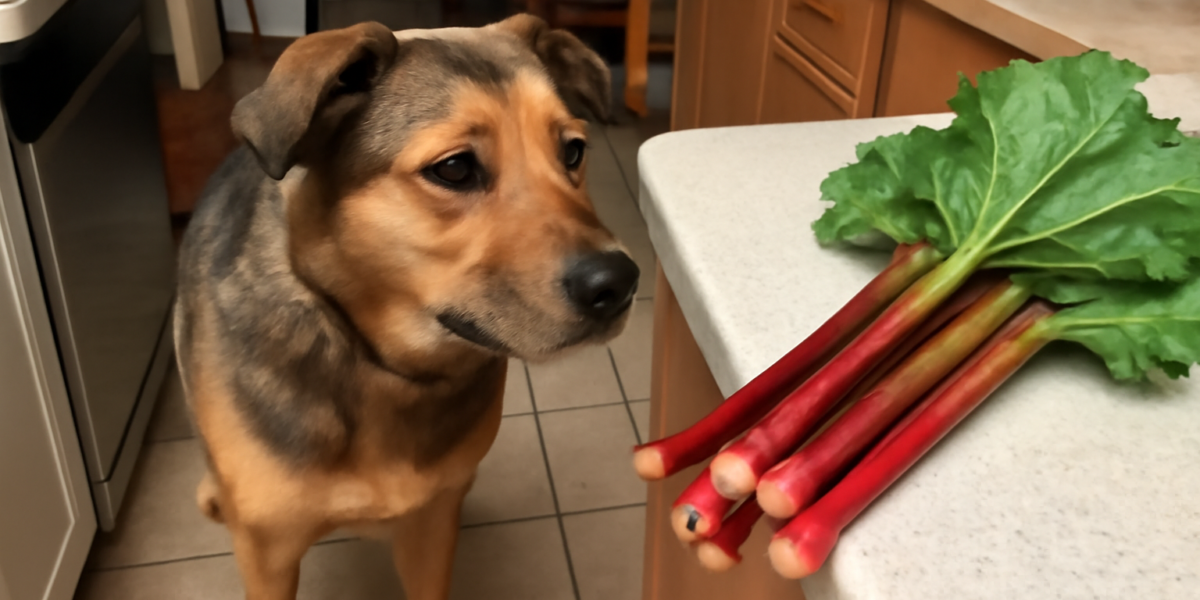
Rhubarb is a popular ingredient in pies, jams, and sauces, prized for its tart flavor and versatility in the kitchen. If you grow rhubarb in your garden or use it regularly in cooking, you may have wondered whether it is safe for your dog to eat. Unfortunately, the answer is no. Rhubarb poses significant health risks to dogs, and responsible pet owners should take steps to keep this plant well out of their dog’s reach.
In this guide, we will explain exactly why rhubarb is dangerous for dogs, which parts of the plant are most toxic, what symptoms to watch for if your dog ingests rhubarb, and what safer alternatives you can offer instead. Understanding the risks associated with rhubarb is an important part of keeping your canine companion safe and healthy.
Quick Answer: Can Dogs Eat Rhubarb?
No, dogs should not eat rhubarb. The entire rhubarb plant contains oxalic acid and soluble oxalate crystals, which are toxic to dogs. The leaves contain the highest concentration of these compounds and are the most dangerous part of the plant, but the stalks also contain oxalates in lower amounts and can cause gastrointestinal distress and other health problems.
Oxalic acid can bind with calcium in your dog’s body, forming calcium oxalate crystals. These crystals can damage the kidneys, leading to acute kidney failure in severe cases. Even small amounts of rhubarb leaves can be dangerous, particularly for smaller dogs. The stalks, while less toxic than the leaves, can still cause significant stomach upset, drooling, and oral irritation.
If your dog has eaten any part of a rhubarb plant, contact your veterinarian or the ASPCA Animal Poison Control Center (888-426-4435) immediately. Time is critical in cases of potential poisoning, and early treatment can significantly improve outcomes.
Nutritional Profile of Rhubarb
While rhubarb does contain some beneficial nutrients, the presence of toxic compounds makes these nutritional benefits irrelevant for dogs. Understanding the composition of rhubarb helps explain why it is dangerous.
A 100-gram serving of raw rhubarb stalks contains approximately:
- Calories: 21 kcal
- Protein: 0.9 grams
- Fat: 0.2 grams
- Carbohydrates: 4.5 grams
- Dietary fiber: 1.8 grams
- Vitamin C: 8 mg
- Vitamin K: 29.3 mcg
- Calcium: 86 mg
- Potassium: 288 mg
- Oxalic acid: approximately 500-600 mg per 100 grams in stalks; up to 1,200 mg or more in leaves
The oxalic acid content is the critical concern. When consumed, oxalic acid binds with minerals like calcium and magnesium in the body, forming insoluble crystals that can accumulate in the kidneys and urinary tract. This process can deplete available calcium in the bloodstream, potentially leading to hypocalcemia, and the crystals themselves can cause physical damage to the kidneys and other organs.
The soluble oxalate crystals found throughout the plant also cause immediate irritation to the mouth, throat, and digestive tract upon contact, leading to pain, swelling, and excessive drooling. This is why even a small amount of rhubarb can cause visible distress in dogs.
Benefits and Risks of Rhubarb for Dogs
Potential Benefits
There are no meaningful benefits to feeding rhubarb to dogs. While rhubarb contains vitamins, minerals, and fiber that are beneficial to humans, the toxic compounds in the plant far outweigh any potential nutritional advantages for dogs. Every nutrient found in rhubarb can be obtained from other, safer food sources that do not carry the risk of poisoning. There is simply no reason to include rhubarb in your dog’s diet.
Risks and Dangers
The risks of rhubarb for dogs are serious and potentially life-threatening:
- Oxalate poisoning: The oxalic acid and soluble oxalate crystals in rhubarb can cause systemic toxicity. When absorbed into the bloodstream, oxalates bind with calcium to form calcium oxalate crystals that can damage the kidneys, potentially leading to acute renal failure.
- Oral and gastrointestinal irritation: Contact with oxalate crystals causes immediate burning and irritation of the mouth, tongue, lips, and throat. This is followed by nausea, vomiting, diarrhea, and abdominal pain as the compounds move through the digestive system.
- Hypocalcemia: As oxalic acid binds with calcium in the body, blood calcium levels can drop dangerously low. Hypocalcemia can cause muscle tremors, weakness, seizures, and cardiac abnormalities.
- Kidney damage: Calcium oxalate crystals can accumulate in the kidneys, causing inflammation, pain, and impaired kidney function. In severe cases, this can progress to acute kidney failure, which can be fatal without prompt veterinary treatment.
- Leaf toxicity: Rhubarb leaves are the most dangerous part of the plant and can be lethal even in relatively small amounts. Dogs that have access to rhubarb plants in gardens are at particular risk if they chew on or consume the leaves.
- Difficulty breathing: In severe cases, swelling of the throat and airway caused by oxalate crystal irritation can lead to breathing difficulties, which constitutes a veterinary emergency.
How to Keep Your Dog Safe from Rhubarb
Since rhubarb is not safe for dogs in any form, the focus should be on prevention rather than preparation. Here are steps you can take to protect your dog:
- Fence off garden rhubarb: If you grow rhubarb in your garden, install fencing or barriers around the plants to prevent your dog from accessing them. Dogs may be attracted to the large leaves and may chew on them out of curiosity or boredom.
- Store rhubarb securely: Keep raw rhubarb stalks in the refrigerator or in sealed containers on countertops where your dog cannot reach them. Never leave rhubarb unattended on low tables or accessible surfaces.
- Dispose of trimmings safely: When preparing rhubarb for cooking, immediately dispose of the leaves and any trimmings in a sealed trash can or compost bin that your dog cannot access. Rhubarb leaves are the most toxic part and should never be left where a dog could find them.
- Educate household members: Make sure everyone in your household, including children and guests, knows that rhubarb is toxic to dogs and should never be offered as a treat or left within the dog’s reach.
- Be cautious with cooked dishes: Rhubarb pie, rhubarb crumble, rhubarb sauce, and other prepared dishes containing rhubarb should not be shared with your dog. Cooking does not eliminate the oxalic acid, and these dishes often contain added sugar and other ingredients that are also unsuitable for dogs.
- Know your plants: If you are unsure about the plants in your yard, take the time to identify them. Rhubarb is not the only garden plant that is toxic to dogs. Having a clear understanding of what grows in your outdoor spaces helps you create a safer environment for your pet.
If you are looking for safe and healthy treat options for your dog, or if you are considering adopting a rescue dog and want to prepare a safe home environment, being aware of common household and garden toxins is an essential first step.
Signs of Rhubarb Poisoning in Dogs
If your dog has eaten rhubarb, symptoms can appear within minutes to hours depending on the amount consumed and which part of the plant was ingested. Watch for the following signs:
- Excessive drooling: One of the first signs of rhubarb ingestion is profuse drooling, caused by the irritating effect of oxalate crystals on the mouth and throat.
- Pawing at the mouth: Your dog may paw at their face or mouth due to the burning sensation caused by oxalate crystals on the oral tissues.
- Vomiting: Nausea and vomiting are common as the body attempts to expel the toxic material from the stomach.
- Diarrhea: Loose stools or diarrhea may occur as the oxalates irritate the gastrointestinal lining.
- Loss of appetite: Your dog may refuse food due to oral pain and nausea.
- Tremors or weakness: If hypocalcemia develops, your dog may exhibit muscle tremors, weakness, or an unsteady gait.
- Decreased urination: Changes in urination patterns, including producing less urine or urine that appears dark or bloody, can indicate kidney involvement.
- Lethargy: General weakness and an unwillingness to move or play can signal systemic toxicity.
- Seizures: In severe cases, particularly those involving significant calcium depletion, seizures may occur. This is a medical emergency.
- Difficulty breathing: Swelling of the throat tissues can obstruct the airway. If your dog is struggling to breathe, seek emergency veterinary care immediately.
Do not wait for multiple symptoms to appear before taking action. If you know or suspect your dog has eaten any part of a rhubarb plant, contact your veterinarian immediately. Early intervention can include inducing vomiting (if recommended by your vet), administering activated charcoal, providing intravenous fluids to protect the kidneys, and monitoring blood calcium levels. The sooner treatment begins, the better the prognosis.
Healthy Alternatives to Rhubarb
Since rhubarb is off limits for dogs, here are some safe fruits and vegetables you can offer instead:
- Apples: Remove the seeds and core, then slice into manageable pieces. Apples provide fiber, vitamins A and C, and a satisfying crunch that many dogs enjoy.
- Blueberries: These small berries are packed with antioxidants and are perfectly sized for training treats or snacking. They are one of the safest fruits for dogs.
- Strawberries: Fresh strawberries offer vitamin C, fiber, and natural sweetness. Cut them into appropriate sizes for your dog’s breed.
- Watermelon: Seedless watermelon with the rind removed is hydrating and low in calories. It makes an excellent warm-weather treat.
- Carrots: Both raw and cooked carrots are safe for dogs. They provide beta-carotene, fiber, and a satisfying crunch. Carrots are also great for dental health.
- Green beans: Plain, cooked green beans are a low-calorie, high-fiber snack that many dogs enjoy. They can be a good option for dogs on a weight management plan.
For more information on safe foods for your canine companion, check out our articles on whether dogs can eat guava and whether lobster is safe for dogs. Providing a variety of safe treats helps keep mealtime interesting and ensures your dog gets a range of nutrients.
Frequently Asked Questions
Are rhubarb stalks as toxic as rhubarb leaves for dogs?
Rhubarb leaves are significantly more toxic than the stalks because they contain a much higher concentration of oxalic acid and soluble oxalate crystals. However, the stalks are not safe either. They still contain enough oxalates to cause oral irritation, gastrointestinal upset, and potentially more serious problems if consumed in large amounts. Neither the leaves nor the stalks should be given to dogs under any circumstances.
What should I do if my dog ate rhubarb leaves?
If your dog has eaten rhubarb leaves, treat it as a medical emergency. Contact your veterinarian or the ASPCA Animal Poison Control Center (888-426-4435) immediately. Do not attempt to induce vomiting unless specifically instructed to do so by a veterinary professional, as this can sometimes cause additional harm. Provide the vet with as much information as possible, including the approximate amount consumed and when the ingestion occurred. Prompt treatment with IV fluids, calcium supplementation, and monitoring can be lifesaving.
Does cooking rhubarb make it safe for dogs?
No, cooking does not make rhubarb safe for dogs. While cooking may reduce the concentration of oxalic acid somewhat, it does not eliminate it entirely. Cooked rhubarb dishes such as pies, crumbles, and sauces also typically contain large amounts of added sugar, butter, and other ingredients that are unhealthy or potentially harmful to dogs. There is no preparation method that makes rhubarb a safe food for canine consumption.
How much rhubarb is toxic to dogs?
The toxic dose of rhubarb varies depending on the dog’s size, the part of the plant consumed, and individual sensitivity. Even small amounts of rhubarb leaves can be dangerous, especially for small dogs. There is no established safe threshold for rhubarb consumption in dogs, which is why veterinarians recommend avoiding it entirely. If your dog has consumed any amount of rhubarb, it is safest to consult with your veterinarian regardless of the quantity.
Can dogs be around rhubarb plants without eating them?
Dogs can be in the general vicinity of rhubarb plants without harm, as the toxins are only dangerous when ingested. However, curious dogs, puppies, and dogs that tend to chew on plants should not have unsupervised access to rhubarb. Dogs do not always distinguish between safe and unsafe plants, and the large, broad leaves of rhubarb can be tempting for dogs that like to chew on foliage. If you grow rhubarb, use physical barriers to keep your dog from reaching the plants.
Is rhubarb dangerous for cats and other pets too?
Yes, rhubarb is toxic to cats, rabbits, guinea pigs, and many other household pets. The oxalic acid and oxalate crystals affect these animals in similar ways, causing oral irritation, gastrointestinal problems, and potential kidney damage. If you have multiple pets, take precautions to ensure none of them have access to rhubarb plants or rhubarb-containing foods.
Keeping your dog safe from toxic foods and plants is a fundamental part of responsible pet ownership. If you are ready to welcome a new dog into your life, visit our adoption page to find dogs in need of loving, safety-conscious homes. Every dog deserves an owner who takes the time to learn what is safe and what is not.


