
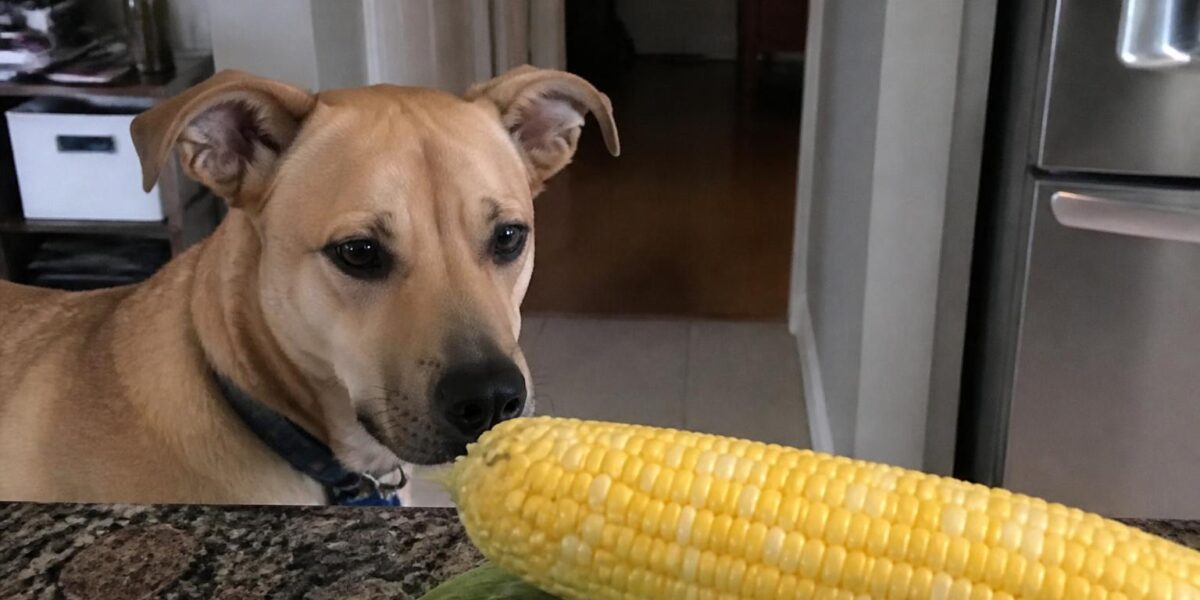
The Short Answer on Sweet Corn for Dogs
Can dogs eat sweet corn? Yes, plain cooked sweet corn kernels are safe for dogs in moderation. Sweet corn is not toxic, and many commercial dog foods already include corn as a carbohydrate source. A few kernels off your plate make a perfectly fine occasional treat for most healthy dogs.
In this article
The one big caveat that every dog owner needs to remember is the cob. While the kernels are safe, the corn cob is a serious choking and intestinal-blockage hazard and should never be given to a dog. Keep reading for exactly how to serve sweet corn the right way.
As with any new food, moderation is the rule. Sweet corn should be an occasional extra, not a staple, and it should always be plain, without butter, salt, or seasonings.
Summer is when this question comes up most, since backyard barbecues and farmers-market corn are everywhere. Your dog will almost certainly be interested, drawn by the sweet smell and the festive atmosphere. The good news is that with a few simple precautions you can let your pup join in the seasonal fun without any worry, as long as the cob stays out of reach and the kernels stay plain.
Is Sweet Corn Good for Dogs?
Sweet corn does bring a few nutritional positives to the table. It contains fiber, which supports healthy digestion, along with antioxidants and small amounts of vitamins and minerals. The carbohydrates in corn provide a quick source of energy.
That said, dogs are happiest on a complete, balanced diet, and sweet corn is more of a fun extra than a nutritional powerhouse. The benefits are modest, so think of corn as a tasty treat rather than something your dog needs.
One common myth worth clearing up: corn is not a useless filler or a common cause of allergies in dogs. Genuine corn allergies are quite rare. For most dogs, plain corn is simply a safe, digestible carbohydrate.
The sweetness of sweet corn comes from natural sugars, which is part of why dogs find it appealing. Those sugars are not a problem in the small amounts we are discussing, but they are a reminder that corn is a treat rather than a low-calorie vegetable like leafy greens. A few kernels add up to more sugar and starch than an equivalent piece of, say, green beans, so it is worth keeping the portion modest, especially for dogs who need to watch their weight or blood sugar.
The Cob Danger and Other Risks
The most important safety point with sweet corn has nothing to do with the kernels themselves.
Corn cobs. Dogs cannot properly digest a cob, and a swallowed cob can lodge in the throat or intestines, causing a life-threatening blockage that often requires emergency surgery. Never let your dog chew on or eat a cob, and dispose of cobs where your dog cannot reach them, including the trash.
Seasonings. Sweet corn at a barbecue is usually slathered in butter, salt, or spices. Butter adds unhealthy fat that can trigger stomach upset or pancreatitis, and seasonings like onion and garlic powder are toxic. Always serve corn plain.
Too much corn. Large amounts can cause gas, bloating, or diarrhea, especially in dogs with sensitive stomachs.
Allergies. Although uncommon, some dogs are sensitive to corn and may develop itchy skin or digestive trouble. Watch your dog the first few times.
How to Serve Sweet Corn Safely
Serving sweet corn to your dog is simple as long as you follow a few rules. Here is the safe approach.
- Cut or scrape the kernels off the cob completely.
- Cook the corn plain by boiling or steaming, with no butter, salt, or oil.
- Let it cool to room temperature.
- Offer a small portion as a topper or treat.
For serving size, a tablespoon or two of kernels is plenty for a small dog, while a larger dog can have a small handful. Treats and extras like corn should make up no more than about 10 percent of your dog’s daily calories.
Canned corn is acceptable only if it is low-sodium and well rinsed, since canned versions often contain added salt. Avoid creamed corn, which is loaded with sugar, salt, and dairy. If you are growing corn into a treat routine, fresh or frozen plain kernels are the cleanest choice.
Frozen kernels deserve a special mention because many dogs love them straight from the freezer as a crunchy, cooling snack on a hot day. They require no preparation beyond making sure they are plain, and they offer a bit of fun enrichment for a bored dog. You can even scatter a few across a snuffle mat or hide them in a food puzzle to give your dog a satisfying foraging activity.
However you serve corn, the portion philosophy stays the same. A little goes a long way, and corn should complement your dog’s balanced diet rather than crowd it out. If you have several people at a gathering all slipping your dog kernels, those small handfuls add up quickly, so it helps to designate one person to manage treats and keep the total reasonable.
Sweet Corn and Other Vegetables for Dogs
Sweet corn is one of many vegetables that can add a little variety to your dog’s bowl. If your dog enjoys veggie treats, you have plenty of safe options to rotate in.
For other dog-friendly vegetables, see our guides on whether dogs can eat corn in general, along with carrots, green beans, and peas. These low-calorie veggies make great crunchy or soft toppers depending on how you prepare them.
Mixing a small variety of safe vegetables can keep mealtime interesting, but always introduce one new food at a time so you can spot any sensitivity. When in doubt about adding new foods, your veterinarian can help you build a treat plan that suits your dog.
When to Contact Your Vet
If your dog eats a few plain sweet corn kernels and seems fine, there is nothing to worry about. Mild gas or a single soft stool after a larger portion usually clears up on its own with access to fresh water.
Call your veterinarian or an emergency clinic right away if you suspect your dog swallowed a corn cob. Signs of an intestinal blockage include repeated vomiting, refusal to eat, straining without producing stool, a painful or swollen belly, and lethargy. This is a true emergency and the sooner it is caught, the better the outcome.
Also reach out to your vet if your dog has ongoing diarrhea, itchy skin, or other signs that might point to a corn sensitivity. A quick conversation can confirm whether corn belongs in your dog’s treat rotation.
The Truth About Corn as a Dog Food Ingredient
You have probably seen pet food marketing that treats corn as a dirty word, with bags proudly labeled “no corn” as if it were harmful. This has left many owners confused about whether corn is good or bad for dogs. The reality is more balanced than the marketing suggests.
Corn is a legitimate, digestible carbohydrate that provides energy, and ground corn in dog food also delivers fiber, protein, and certain fatty acids. It is not a worthless filler, and genuine corn allergies are far rarer than the marketing implies. Most dogs digest properly processed corn just fine, which is why it has been a common ingredient in quality dog foods for decades.
That said, corn should not dominate a dog’s diet. A food where corn is the very first ingredient, ahead of any meat, is not ideal, because dogs do best with animal protein as the foundation of their meals. The issue is balance and proportion, not corn itself being toxic or dangerous.
So when you share a few kernels of sweet corn off your plate, you can do so knowing it is a normal, digestible food for most dogs. The cob is the real hazard to remember, not the kernel. If your dog has a diagnosed corn sensitivity, of course, follow your veterinarian’s guidance and skip it.
Frequently Asked Questions
Can dogs eat corn on the cob?
Dogs can eat the kernels but never the cob. A corn cob can cause a dangerous intestinal blockage that may require surgery, so always strip the kernels off and discard the cob safely.
Is canned sweet corn safe for dogs?
Plain, low-sodium canned corn is acceptable if you rinse it well to remove excess salt. Avoid creamed corn and any version with added butter, sugar, or seasonings.
How much sweet corn can my dog eat?
A tablespoon or two of plain kernels is fine for a small dog, and a small handful for a large dog. Keep corn and all treats under about 10 percent of your dog’s daily calories.
Can sweet corn cause allergies in dogs?
True corn allergies are rare in dogs, but they can happen. If your dog develops itchy skin or digestive upset after eating corn, stop offering it and check with your veterinarian.


