
Last updated: April 6, 2026
In this article
Can Dogs Eat Toasted Bread? Safety Guide and Tips
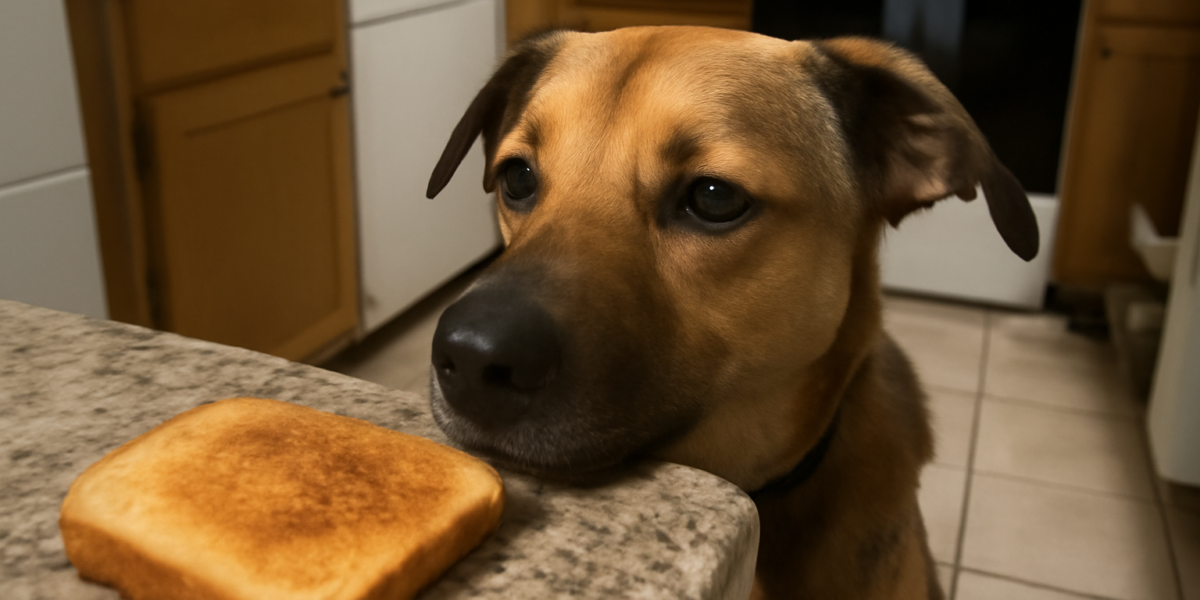
Toast is one of the simplest foods in the world, and it is a morning ritual for millions of people. The warm, crispy aroma of freshly toasted bread is enough to get any dog’s attention, and many pet owners have found themselves tearing off a corner to share with their eager companion. But is toasted bread actually safe for dogs to eat?
The answer depends on several factors, including the type of bread, what toppings are used, and how much is offered. While plain toast made from simple white or wheat bread is generally harmless for dogs, not all bread varieties are safe, and many common toast toppings can be downright dangerous. This guide covers everything you need to know before letting your dog have a bite of your morning toast.
Quick Answer: Can Dogs Eat Toasted Bread?
Yes, dogs can eat plain toasted bread in small amounts. Toasting bread does not change its fundamental safety profile for dogs. If the bread itself is safe for dogs to eat untoasted, then the toasted version is also safe. Plain white bread and plain whole wheat bread, when toasted without butter or other toppings, are the safest options.
That said, toast should only be an occasional treat. Bread is essentially empty calories for dogs, providing carbohydrates and little else of nutritional value. It does not contribute meaningfully to your dog’s dietary needs and can contribute to weight gain if offered frequently. A small piece once in a while is fine for most healthy dogs, but toast should never become a regular part of their diet.
The most important considerations are what type of bread is used and what is put on it. Bread containing raisins, garlic, onion, xylitol, macadamia nuts, or excessive seeds can be toxic to dogs. Toppings like butter, jam, peanut butter with xylitol, Nutella, or avocado spread add additional risks. Always check ingredients before sharing.
Nutritional Profile of Toasted Bread
Toasted bread has essentially the same nutritional content as untoasted bread, with slight changes in moisture content and texture. One slice of standard white toasted bread contains approximately:
- Calories: 75-80 kcal
- Carbohydrates: 13-15 grams
- Protein: 2-3 grams
- Fat: 1 gram
- Fiber: 0.5-1 gram
- Sodium: 130-150 mg
- Sugar: 1-2 grams
- Iron: 1 mg (from enriched flour)
Whole wheat toast provides slightly more fiber and a broader range of B vitamins, but the differences are not significant enough to matter from a canine nutrition standpoint. Either way, bread is primarily a source of simple carbohydrates that your dog does not need if they are eating a balanced dog food.
One thing to note is that the toasting process creates a small amount of acrylamide, a chemical that forms when starchy foods are cooked at high temperatures. Heavily burnt or charred toast contains more acrylamide. While the levels in lightly toasted bread are very low and not considered harmful in small amounts, heavily blackened toast should be discarded rather than given to your dog.
Benefits and Risks of Feeding Toasted Bread to Dogs
Potential Benefits
- Settling an upset stomach: Some veterinarians suggest that small amounts of plain toast can help absorb excess stomach acid in dogs experiencing mild nausea. The dry, bland nature of toast makes it easy to digest when a dog’s stomach is sensitive.
- Medication delivery: A small piece of toast can serve as a vehicle for hiding a pill or liquid medication. The absorbent texture holds medication in place, and most dogs will eat toast willingly.
- Low-risk occasional treat: Plain toast is non-toxic, inexpensive, and readily available. As a very occasional treat, it poses minimal risk to healthy dogs.
- Training purposes: Small torn pieces of toast can serve as low-value training treats for simple commands, particularly if your dog is not highly food-motivated and responds well to mild-flavored rewards.
Potential Risks
- Weight gain: Bread is calorie-dense relative to its nutritional value. A single slice of toast represents roughly 10 percent of a small dog’s daily caloric needs, making it easy to overfeed without realizing it.
- Toxic bread varieties: Raisin bread is extremely dangerous for dogs, as raisins and grapes can cause acute kidney failure. Garlic bread and onion bread contain ingredients that damage red blood cells and can lead to hemolytic anemia. Always verify the bread type before sharing.
- Xylitol poisoning: Some commercially produced breads, particularly low-calorie or sugar-free varieties, contain xylitol, an artificial sweetener that is extremely toxic to dogs. Even small amounts of xylitol can cause a rapid drop in blood sugar, liver failure, and death.
- Wheat and gluten sensitivity: While true celiac disease is rare in dogs, some dogs have wheat sensitivities that cause digestive upset, itching, or ear infections. Dogs with known grain allergies should avoid bread entirely.
- Choking hazard: Dry toast can be crumbly and may break into large pieces that stick in a dog’s throat. Dogs that eat quickly without chewing properly are at higher risk.
- Dangerous toppings: Butter adds unnecessary fat, chocolate spread and Nutella are toxic due to theobromine, jam is high in sugar, and some peanut butters contain xylitol. The toast itself may be safe, but what goes on it can be harmful.
How to Serve Toasted Bread Safely to Your Dog
If you want to share a small piece of toast with your dog, follow these guidelines for maximum safety:
- Use plain white or whole wheat bread only: Check the ingredient list to confirm the bread does not contain raisins, garlic, onion, xylitol, nuts, or seeds. Simple, basic bread with recognizable ingredients is the safest choice.
- Toast lightly: Avoid dark or burnt toast. Light golden toasting is sufficient and minimizes acrylamide formation.
- Serve completely plain: Do not add butter, margarine, jam, honey, peanut butter, cream cheese, or any other topping. Plain toast only.
- Tear into small pieces: Break the toast into bite-sized pieces appropriate for your dog’s size. This reduces choking risk and makes portion control easier.
- Limit the amount: For small dogs, one-quarter of a slice is plenty. Medium dogs can have half a slice, and large dogs can have up to one full slice. This should be an occasional treat, not a daily offering.
- Offer water alongside: Dry toast can be dehydrating and may make your dog thirsty. Ensure fresh water is available.
As a general rule, toast and all other treats combined should make up no more than 10 percent of your dog’s daily caloric intake. The remaining 90 percent should come from nutritionally complete dog food.
If you are considering adopting a dog and want to learn more about what foods are safe to share, visit our adoption page to meet dogs looking for their forever families.
Signs of Problems After Eating Toasted Bread
Plain toast rarely causes problems in healthy dogs, but adverse reactions can occur, particularly if your dog has food sensitivities or if the bread contained harmful ingredients you were not aware of. Watch for these symptoms:
- Vomiting: May indicate a sensitivity to wheat or gluten, or could be caused by eating too much bread at once.
- Diarrhea or loose stools: Changes in stool consistency after eating bread can signal digestive intolerance.
- Bloating or gas: The carbohydrates in bread can cause gas in some dogs, particularly those not accustomed to grain-based foods.
- Itching or skin irritation: If your dog develops itchy skin, ear redness, or excessive scratching after eating toast, a wheat or grain allergy may be the cause.
- Lethargy, tremors, or collapse: These are emergency symptoms that could indicate xylitol poisoning if the bread contained this sweetener. Seek immediate veterinary care.
If your dog ate raisin bread toast, contact your veterinarian or the ASPCA Animal Poison Control Center immediately, even if your dog appears fine. Raisin and grape toxicity can have a delayed onset, and early treatment significantly improves outcomes. Your vet may recommend inducing vomiting if the bread was consumed recently.
Healthy Alternatives to Toasted Bread
If you are looking for low-calorie, safe treats to offer your dog instead of toast, consider these options:
- Carrot sticks: Low in calories, high in fiber and beta-carotene, and satisfyingly crunchy. Most dogs enjoy raw carrot sticks, and they also help clean teeth.
- Apple slices: Remove the seeds and core, then offer thin slices. Apples provide vitamins A and C along with fiber.
- Plain rice cakes: These provide a similar crunchy, bland texture to toast but are typically lower in sodium and free of the additives found in some commercial breads.
- Cooked sweet potato: Rich in vitamins and fiber, plain baked sweet potato is a nutritious treat that most dogs love.
- Plain cooked chicken: For a protein-rich alternative, canned chicken rinsed in water or plain boiled chicken breast offers far more nutritional value than bread.
These alternatives provide vitamins, minerals, and fiber that toast simply cannot match, making them better choices for regular treat-giving.
Frequently Asked Questions
Can dogs eat toast with butter?
It is best to avoid giving dogs buttered toast. While butter is not toxic to dogs, it is very high in fat and can cause digestive upset, diarrhea, and contribute to pancreatitis in susceptible dogs. Some dogs are also lactose intolerant, which means dairy products like butter can cause additional stomach problems. If you want to give your dog toast, keep it plain.
Can dogs eat toast with peanut butter?
Dogs can eat toast with peanut butter only if the peanut butter does not contain xylitol, an artificial sweetener that is extremely toxic to dogs. Always check the peanut butter ingredient label carefully. If the peanut butter is xylitol-free and contains only peanuts and perhaps salt, a thin smear on a small piece of toast is acceptable as a rare treat. However, peanut butter is calorie-dense, so keep portions very small.
Is toasted bread easier for dogs to digest than regular bread?
Toasting bread does change its structure slightly, making it somewhat easier to break down in the digestive tract. The heat reduces moisture content and modifies the starch, which can make it marginally easier to digest. Some veterinarians recommend plain dry toast over soft bread for dogs with mild stomach upset because the drier texture absorbs stomach acid. However, the difference is modest, and both toasted and untoasted plain bread are generally easy for dogs to digest.
Can dogs eat sourdough toast?
Fully baked sourdough toast is generally safe for dogs in small amounts, though it tends to have higher sodium content than regular white bread. The fermentation process used to make sourdough is not harmful once the bread is baked. However, raw sourdough starter or dough should never be given to dogs, as the active yeast can expand in the stomach and produce alcohol, both of which are dangerous. Stick to fully baked, plain sourdough toast in very small portions.
My dog ate a whole loaf of bread. Should I be worried?
Eating a large amount of bread can cause significant bloating and discomfort in dogs. The bread may expand in the stomach, leading to pain, distension, and potentially a dangerous condition called gastric dilatation. Check the bread ingredients immediately for any toxic components such as raisins, garlic, onion, or xylitol. If the bread contained any of these, seek emergency veterinary care. Even if the bread was plain, monitor your dog closely for vomiting, a distended abdomen, difficulty breathing, or attempts to vomit without producing anything, as these could indicate a serious obstruction. Contact your vet if symptoms develop.
Every dog deserves a safe, loving home where their health and diet are properly managed. If you are ready to welcome a new companion into your life, check out the wonderful dogs available on our adoption page.


