
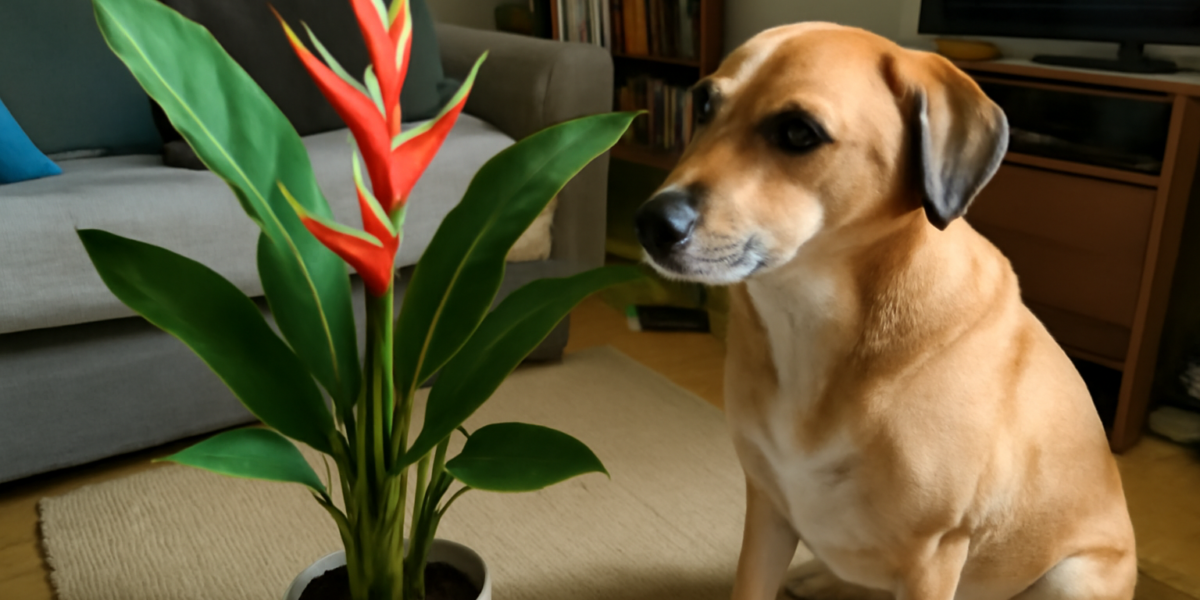
Are Heliconia Plants a Risk for Pets?
Heliconia, also called lobster claw, false bird of paradise or wild plantain, is one of the most dramatic tropical flowering plants you will see in Singapore gardens, parks and condo landscaping. If you have ever wondered whether heliconia toxic pets concerns are legitimate, the good news is that heliconia species are generally considered non-toxic to dogs and cats. They do not appear on the ASPCA’s toxic plant list, and there are no widely documented cases of significant poisoning from ingestion of the leaves, stems or flowers.
In this article
That said, “non-toxic” in plant safety does not mean “safe to eat.” Any pet that consumes a large amount of plant material can experience mild gastrointestinal upset from the fibrous, mucilaginous tissues. Drooling, transient vomiting or loose stools are possible after heavy chewing, and some individuals are simply more sensitive than others. The upside is that serious, life-threatening reactions are not expected from heliconia exposure in typical pet households.
Where confusion sometimes arises is with plants that share common names with heliconia, such as “bird of paradise” (Strelitzia, which is toxic) or “banana” (Musa, which is generally safe). Proper identification of the specific plant in your garden is more important than blanket assumptions about the group. Heliconia is a genus of its own, distinct from both Strelitzia and Musa.
Identifying Heliconia in Tropical Gardens
Heliconia species are clumping, banana-like plants ranging from one metre (dwarf varieties) to five metres tall (large architectural species). The leaves grow on long stalks and look similar to banana leaves, sometimes with a glossy sheen or paler underside. The plants spread via underground rhizomes and form dense clusters over time.
The flowers are the showstopper. Depending on species, heliconia produces upright or pendant flower spikes with tightly packed, waxy bracts in brilliant reds, oranges, yellows, pinks and sometimes green or bicoloured combinations. Common species in Singapore include Heliconia rostrata (hanging lobster claw), Heliconia psittacorum (parakeet flower), Heliconia bihai and Heliconia caribaea. The upright lobster-claw shapes and hanging coloured bracts are unmistakable once you know them.
You will see heliconia in Botanic Gardens displays, along expressway edges, in landed garden borders and in large atrium plantings in condos and hotels. The plants thrive in Singapore’s humidity and flower repeatedly throughout the year given enough light and moisture.
What’s in Heliconia That Might Upset Pets?
Heliconia tissues contain water, mucilage, plant fibres, pigments and minor amounts of various phytochemicals, but no well-characterised toxic compound at levels relevant to pet safety. The leaves and stems are fibrous and mildly astringent rather than overtly irritating, and the flowers are similarly benign.
When pets do show symptoms after eating heliconia, the most likely explanation is mechanical rather than chemical: the tough fibres and wet pulp can cause stomach distension or mild GI upset when consumed in larger amounts. Think of it like a dog that eats too much grass and then vomits up a green fibrous ball a few minutes later. The plant is not poisoning them; their stomach is simply rebelling against the volume of rough plant material.
Cats, which tend to be more selective eaters, rarely consume enough heliconia to have any reaction at all. Dogs, especially young puppies exploring everything with their mouths, are the more common source of reports. Even then, the reaction is typically minor and short-lived.
Dose, Individual Variation and Context
Because heliconia is not meaningfully toxic, there is no threshold “dangerous dose.” A pet that mouths a fallen bract or chews a leaf corner will show nothing. A puppy that systematically demolishes a potted heliconia may end up with a transient stomach upset and a lot of shredded plant on the floor. Small breeds and pets with sensitive stomachs are more likely to react to larger amounts.
Individual variation matters. A dog with a history of inflammatory bowel disease or food sensitivities may react to plant material that most pets tolerate easily. Cats with chronic vomiting issues from hairballs or mild IBD may seem worse after plant ingestion, but the plant is usually a trigger rather than the cause.
Context also matters. A single encounter with heliconia is unlikely to cause problems. Repeated or habitual plant-chewing behaviour deserves attention because it suggests boredom, nutritional seeking or compulsive behaviour, none of which are solved by picking a “safer” plant. Behavioural enrichment, supervision and redirection are the real answers.
Symptoms and What to Watch For
For most pets, no symptoms develop after heliconia exposure. When they do, expect mild and short-lived signs: drooling or lip licking, one or two episodes of vomiting, soft stool, transient decrease in appetite. These resolve within 12 to 24 hours.
Warning signs that suggest something else is going on (or that an unusually large amount was consumed) include repeated vomiting, dehydration, lethargy, ongoing inappetence, abdominal pain, or any suggestion that the pet is distressed. In rare cases, a pet that swallowed a large wad of fibrous plant material could develop a gastrointestinal obstruction, which presents with persistent vomiting, inability to keep water down and abdominal discomfort.
If you are unsure whether your pet’s symptoms are from heliconia or something else, consider the broader picture. Has the pet been ill recently? Eaten anything else unusual? Had access to medications, rodent bait, chemicals or other plants? Heliconia rarely causes dramatic symptoms, and a dramatic picture should prompt you to look beyond the plant.
First Aid and Vet Contact
For a typical heliconia encounter, home observation is almost always enough. Remove any plant material from the mouth, offer fresh water, and watch for a few hours. If your pet vomits once or twice and then settles, continue normal care. Offer a small bland meal if vomiting has stopped, and resume regular feeding once the stomach has calmed down.
Contact a vet if your pet shows symptoms that do not resolve within 24 hours, vomits repeatedly, becomes lethargic, refuses water, or shows any suggestion of abdominal pain. Puppies, kittens, senior pets and those with chronic illness should be assessed sooner. The vet may recommend anti-nausea medication and a bland diet, or in rare cases imaging to rule out an obstruction.
A 24-hour emergency vet in Singapore is the right destination for any pet that seems seriously unwell, regardless of the suspected cause. If you are unsure, a triage phone call can help you decide whether to come in or monitor at home. Bring a photo of the plant if the pet needs to be seen, so the clinic can factor the history into their assessment.
Prevention and Pet-Friendly Landscaping
Because heliconia is low risk, you can include it in a pet-friendly garden with only modest precautions. Plant it in areas the dog does not use as a rest or play zone, manage any persistent plant-chewing behaviour, and supervise puppies around new plantings. Potted heliconia on balconies should sit on plant stands or risers to keep the leaves away from teething mouths.
For a broader view of which tropical plants carry more serious risks, see our guide to common tropical toxic plants in Singapore gardens. If you are confused about whether a plant in your garden is heliconia or the more hazardous Strelitzia, our bird of paradise toxicity guide explains the differences. Our curated list of pet-safe tropical houseplants suggests additional low-risk options for balconies and indoor spaces.
If you do decide to remove or relocate a heliconia because of a habitual plant-chewer, a safer substitute with similar tropical presence is true banana (Musa) or a fishtail palm. Both grow well in Singapore’s climate and pose no meaningful toxicity risk.
Frequently Asked Questions
Is heliconia on the ASPCA toxic plant list?
Heliconia is not listed on the ASPCA’s toxic plant database, which is the most widely referenced source for pet plant safety. Veterinary toxicologists generally consider heliconia low-risk, though as with all plants, eating a very large amount can cause non-specific GI upset.
My dog ate a heliconia flower. Should I be worried?
In most cases, no. A single flower ingestion is unlikely to cause more than a brief episode of drooling or mild stomach upset. Monitor your dog for a few hours and contact your vet if any symptoms develop or persist beyond 24 hours.
Can cats safely be in a room with heliconia plants?
Yes, generally. Heliconia is considered non-toxic to cats, and most cats do not attempt to eat it anyway. If you have a known plant-chewing cat, place heliconia out of easy reach as a routine precaution, but there is no specific hazard that rules it out of indoor use.
Is heliconia the same as bird of paradise?
No. Heliconia and Strelitzia (true bird of paradise) are different plant genera. They share a similar banana-like leaf structure, but heliconia is generally non-toxic while Strelitzia is considered mildly to moderately toxic. Look at the flower: heliconia has lobster-claw or parakeet-style bracts, while Strelitzia has the unmistakable “bird head” shape.
What about heliconia pollen? Can my pet react to that?
Pollen allergies are possible in pets but are not specifically associated with heliconia. If your pet sneezes, has itchy skin or watery eyes around flowering plants, the issue is more likely a broader seasonal or environmental allergy. Your vet can help diagnose and manage pollen-related allergies.
Can I compost heliconia trimmings if my dog has garden access?
Yes. Composted heliconia is not a hazard. If your dog likes to root around the compost bin for other reasons, consider a secured bin to prevent access to bones, mouldy food, or other more genuinely dangerous items that are sometimes composted.
Do heliconia pods or seeds pose any risk?
Heliconia seeds are tucked inside the bract structures and are rarely accessible to pets. They are not known to contain significant toxic compounds. If your pet somehow consumes seeds along with a flower, expect at most mild GI upset rather than any specific poisoning syndrome.


