
Last updated: April 9, 2026
In this article
Can Cats Eat Lobster? Safety Guide for Cat Owners
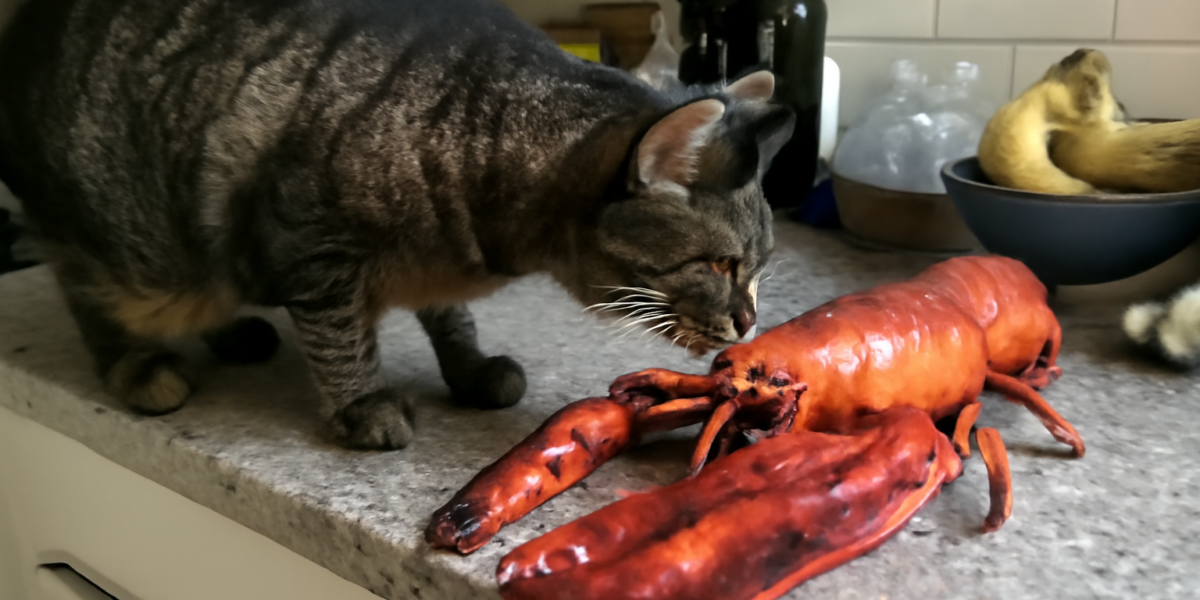
If you have ever cracked open a lobster tail at dinner and noticed your cat staring intently, you have probably wondered whether sharing a bite would be safe. Lobster is a luxurious seafood enjoyed by humans around the world, and its rich aroma is certainly attractive to felines. The good news is that cats can eat lobster in small amounts, provided it is prepared correctly. However, there are important details every cat owner should understand before offering this shellfish to their pet.
As obligate carnivores, cats require animal-based protein to thrive. Their bodies are designed to process meat efficiently, and seafood like lobster can fit into that dietary framework. That said, lobster should never replace a cat’s balanced commercial diet. It works best as an occasional, carefully prepared treat. In this guide, we will cover the nutritional profile of lobster for cats, potential benefits and risks, safe serving methods, warning signs to watch for, and answers to common questions.
Quick Answer
Yes, cats can eat lobster in moderation. Plain, fully cooked lobster meat is safe for most cats and provides high-quality protein along with several essential nutrients. However, lobster must never be served raw, and it should always be free of butter, garlic, lemon, salt, and other seasonings commonly used in human lobster dishes. Lobster shell, tail fins, and cartilage should be removed entirely, as these pose choking and digestive hazards.
Keep portions small. A few bite-sized pieces once or twice a month is sufficient. Lobster is relatively high in sodium and cholesterol compared to standard cat food, so frequent feeding is not advisable. Cats with kidney disease, heart conditions, or shellfish allergies should avoid lobster altogether. When in doubt, consult your veterinarian before introducing any new food into your cat’s diet.
Nutritional Considerations for Cats
Lobster is a nutrient-dense food that offers several components relevant to feline health. A three-ounce serving of cooked lobster contains approximately 76 calories, 16 grams of protein, and less than one gram of fat. This lean protein profile aligns well with the dietary needs of cats, who rely on amino acids from animal sources for muscle maintenance, organ function, and overall vitality.
Lobster is a notable source of vitamin B12, which supports nervous system function and red blood cell production in cats. It also provides zinc, an essential mineral for immune health and skin integrity, and selenium, a powerful antioxidant that helps protect cells from damage. Phosphorus, another mineral present in lobster, plays a role in bone health and energy metabolism.
On the less favorable side, lobster contains a significant amount of sodium, with roughly 413 milligrams per three-ounce serving. Cats have a much lower tolerance for sodium than humans, and excessive intake can contribute to dehydration, elevated blood pressure, and kidney strain. Lobster also contains cholesterol, which is generally not a major concern for healthy cats but can be problematic for those with existing cardiovascular issues.
Additionally, lobster does not contain taurine in quantities sufficient to meet a cat’s daily requirements. Taurine is a critical amino acid that cats cannot synthesize on their own, and deficiency can lead to serious heart and eye problems. This is one of many reasons why lobster should supplement, never replace, a nutritionally complete cat food.
Benefits and Risks of Feeding Lobster to Cats
When served appropriately, lobster can offer some genuine benefits to cats. The high-quality protein supports lean muscle mass and provides the amino acids that obligate carnivores need. The omega-3 fatty acids found in lobster, while present in smaller quantities than in fatty fish like salmon, can contribute to healthy skin and a glossy coat. Some cats that are picky eaters may also find lobster’s strong aroma and flavor appealing, making it useful as a high-value treat for administering medication or encouraging appetite during illness.
However, the risks deserve careful attention. The most significant concern is allergic reaction. Shellfish allergies are not common in cats, but they do occur. Symptoms can include itching, swelling around the face or paws, vomiting, diarrhea, and in severe cases, difficulty breathing. If you are offering lobster to your cat for the first time, start with a very small piece and monitor closely for at least 24 hours.
Raw or undercooked lobster presents a serious food safety risk. It can harbor harmful bacteria such as Vibrio, Listeria, and Salmonella, as well as parasites that can cause gastrointestinal illness in cats. Always ensure lobster is thoroughly cooked before serving.
The sodium content is another risk factor. Cats who consume too much sodium over time may develop hypertension or exacerbate existing kidney problems. Butter-drenched or seasoned lobster compounds this issue and introduces additional dangers, as garlic and onion, both commonly used in lobster preparations, are toxic to cats even in small amounts.
Finally, lobster shell fragments are sharp and can cause choking, mouth injuries, or intestinal blockages. Always remove all shell material before offering lobster meat to your cat.
How to Serve Lobster Safely to Your Cat
Preparing lobster for your cat requires a different approach than preparing it for yourself. Follow these steps to ensure safety:
First, cook the lobster thoroughly by boiling or steaming it in plain water. Do not add salt, butter, lemon juice, garlic, onion, or any other seasonings. The meat should be opaque white throughout with no translucent or gray areas remaining.
Next, remove all shell, cartilage, and connective tissue. Even small fragments of shell can cause internal injuries. Inspect the meat carefully before proceeding.
Cut the lobster meat into small, manageable pieces appropriate for your cat’s size. For most cats, pieces roughly the size of a pea or slightly larger are ideal. This reduces the risk of choking and makes the treat easier to digest.
Serve the lobster at room temperature or slightly warm. Avoid offering it straight from the refrigerator, as very cold food can be unappealing and may cause mild stomach discomfort in some cats.
Limit the portion to two or three small pieces per serving. Treats of any kind, including lobster, should make up no more than ten percent of your cat’s daily caloric intake. For a typical ten-pound cat consuming around 200 calories per day, that means lobster treats should stay well under 20 calories.
If your cat has never eaten lobster before, offer just one tiny piece and wait 24 hours to watch for any adverse reactions before offering more. If you are looking for a feline companion to share these special moments with, consider visiting our adoption page to find your next best friend.
Signs of Problems After Eating Lobster
Even when lobster is prepared correctly, some cats may experience adverse reactions. Knowing what to look for allows you to respond quickly and seek veterinary care if needed.
Gastrointestinal upset is the most common issue. Symptoms include vomiting, diarrhea, loss of appetite, and excessive gas. These signs typically appear within a few hours of consumption and may resolve on their own within 24 hours. If vomiting or diarrhea persists beyond a day, or if your cat becomes lethargic or refuses water, contact your veterinarian promptly.
Allergic reactions can range from mild to severe. Mild symptoms include localized itching, skin redness, or minor swelling. More serious allergic responses may involve facial swelling, hives, respiratory distress, or anaphylaxis. Any difficulty breathing or significant swelling warrants an immediate emergency veterinary visit.
If your cat ingests shell fragments, watch for signs of oral injury such as pawing at the mouth, drooling, or reluctance to eat. Internal obstruction symptoms include repeated vomiting, abdominal pain when touched, constipation, and lethargy. These situations require urgent veterinary attention.
Excessive sodium intake may cause increased thirst and urination in the short term. Over time, high sodium consumption can contribute to more serious health issues. If you notice your cat drinking significantly more water than usual after eating lobster, reduce or eliminate lobster from future treat offerings.
Healthy Alternatives to Lobster for Cats
While lobster is safe in moderation, there are simpler and more affordable protein sources that offer similar nutritional benefits with fewer risks. If you enjoy giving your cat seafood-based treats, consider these alternatives.
Plain cooked shrimp is lower in sodium than lobster and provides comparable protein content. Most cats find shrimp highly palatable, and it is easier to prepare safely. You can learn more in our guide on can cats eat scallops for another seafood option.
Cooked salmon, served plain and boneless, is an excellent source of omega-3 fatty acids and high-quality protein. It supports skin, coat, and joint health. Canned salmon packed in water with no added salt is a convenient option.
Plain cooked chicken breast remains one of the safest and most nutritious treats for cats. It is low in fat, high in protein, and free of the sodium concerns associated with many types of seafood. Most cats readily accept chicken, making it a reliable go-to treat.
Commercial cat treats formulated with real seafood ingredients offer the flavors cats love with the nutritional balance they need. These products are designed to meet feline dietary requirements and eliminate the preparation risks associated with human-grade seafood.
Regardless of which treats you choose, remember that a complete and balanced commercial cat food should form the foundation of your cat’s diet. Treats are supplementary and should be offered in moderation. If you are considering adopting a cat, our team can help you understand the best dietary practices for your new companion.
Frequently Asked Questions
Can cats eat raw lobster?
No, cats should never eat raw lobster. Raw shellfish can contain harmful bacteria including Vibrio, Listeria, and Salmonella, as well as parasites that can cause serious gastrointestinal illness. Always cook lobster thoroughly by boiling or steaming in plain water before offering any to your cat. The meat should be completely opaque with no translucent areas remaining.
Can cats eat lobster shell?
No, lobster shell is not safe for cats. The shell is hard and can splinter into sharp fragments that pose choking hazards and can cause cuts to the mouth, throat, esophagus, or intestinal lining. Always remove every piece of shell, cartilage, and connective tissue before giving lobster meat to your cat. Inspect the meat carefully to ensure no small fragments remain.
How much lobster can I give my cat?
Limit lobster to two or three small, pea-sized pieces per serving, offered no more than once or twice per month. Treats should account for no more than ten percent of your cat’s total daily caloric intake. Due to lobster’s relatively high sodium content, less frequent servings are preferable to more frequent ones, even if the individual portions are small.
Is lobster better for cats than other seafood?
Lobster is not necessarily better than other seafood options for cats. While it provides high-quality protein and several beneficial nutrients, it is also higher in sodium and cholesterol than some alternatives like plain cooked shrimp or white fish. Fatty fish such as salmon offer more omega-3 fatty acids. The best treat depends on your individual cat’s health profile and preferences.
Can kittens eat lobster?
It is best to avoid giving lobster to kittens. Young cats have developing digestive systems that are more sensitive to new foods, and their smaller body size makes them more vulnerable to the effects of excess sodium. Kittens should be fed a high-quality kitten formula food that provides all the nutrients they need for healthy growth. Once a cat reaches adulthood, small amounts of plain cooked lobster can be introduced cautiously.
My cat ate buttered lobster. What should I do?
If your cat consumed a small amount of butter-seasoned lobster that did not contain garlic, onion, or other toxic ingredients, monitor for signs of gastrointestinal upset such as vomiting or diarrhea. The high fat content of butter can cause stomach discomfort. If the lobster contained garlic or onion, contact your veterinarian immediately, as these ingredients are toxic to cats even in small quantities. Provide fresh water and observe your cat closely for 24 hours.


