
Last updated: April 1, 2026
In this article
Can Cats Eat Scallops? Safety Guide for Cat Owners
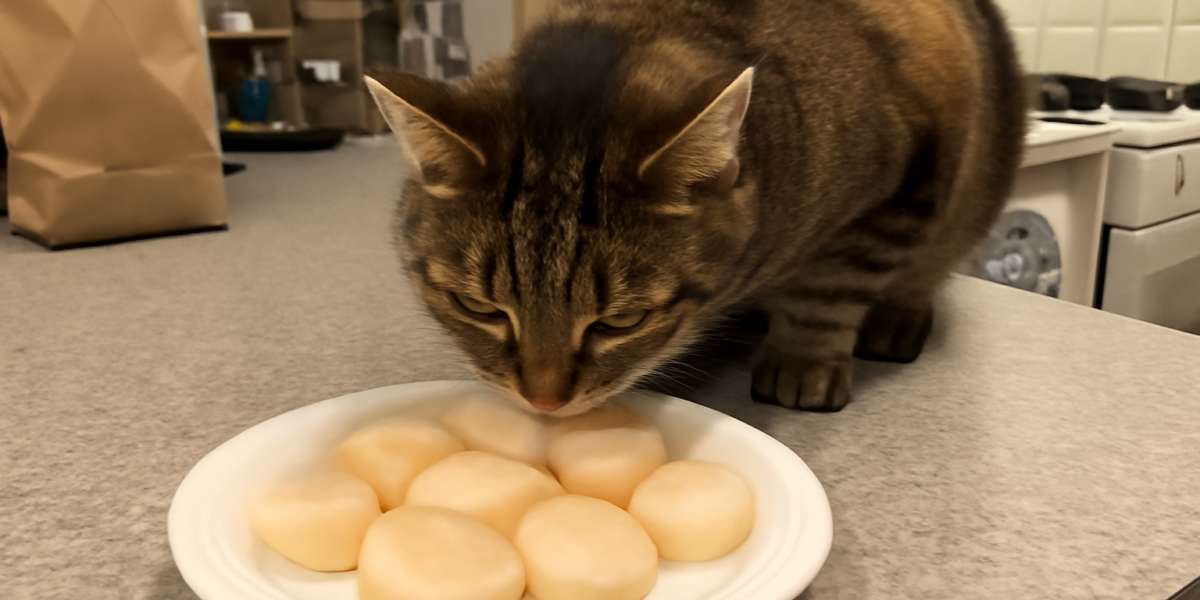
Scallops are a popular shellfish prized for their delicate, sweet flavor and tender texture. If you have ever prepared scallops at home, chances are your cat showed interest in the aroma wafting from the kitchen. As a cat owner, it is natural to wonder whether this particular type of seafood is safe to share with your feline companion. The short answer is yes, but as with most human foods, the details matter significantly.
Cats are obligate carnivores, meaning their bodies are built to derive nutrition primarily from animal-based protein. Seafood, including scallops, can align with this biological requirement when prepared appropriately. However, the way scallops are typically served to humans, often pan-seared in butter with garlic and white wine, is not suitable for cats. Understanding how to properly prepare and portion scallops for your cat is essential to keeping them safe and healthy.
This comprehensive guide covers everything you need to know about feeding scallops to cats, including nutritional information, potential benefits and risks, safe preparation methods, warning signs to monitor, and healthier alternatives to consider.
Quick Answer
Yes, cats can safely eat scallops when they are plain, fully cooked, and served in small quantities. Scallops provide lean protein, vitamin B12, magnesium, and other nutrients that can benefit cats as part of an occasional treat. However, they should never be served raw, breaded, fried, or prepared with butter, garlic, onion, salt, or other seasonings.
A few small pieces of cooked scallop once or twice a month is an appropriate amount for most adult cats. Scallops should not replace any portion of your cat’s regular balanced diet. Cats with known shellfish allergies, kidney disease, or other chronic health conditions should avoid scallops unless approved by a veterinarian. Always introduce any new food gradually and watch for adverse reactions.
Nutritional Considerations for Cats
Scallops are among the leanest protein sources available from the sea. A three-ounce serving of steamed scallops contains approximately 94 calories, 17 grams of protein, and just over one gram of fat. This macronutrient profile makes scallops a suitable occasional protein source for cats, who thrive on high-protein, low-carbohydrate diets.
From a micronutrient perspective, scallops offer several valuable components. They are an excellent source of vitamin B12, which is critical for neurological function and the formation of red blood cells in cats. Scallops also provide meaningful amounts of magnesium, which supports muscle and nerve function, and phosphorus, which contributes to strong bones and teeth.
Selenium is another notable nutrient in scallops. This trace mineral acts as an antioxidant, helping to protect cells from oxidative stress. Zinc, also present in scallops, supports immune function and promotes healthy skin and coat quality in cats.
Scallops contain omega-3 fatty acids, though in lower concentrations than fatty fish like salmon or mackerel. These fatty acids play a role in reducing inflammation and supporting cardiovascular health. While the omega-3 content of scallops alone is insufficient to provide therapeutic benefits, it does contribute modestly to a cat’s overall fatty acid intake.
One nutritional consideration is sodium. Scallops naturally contain about 333 milligrams of sodium per three-ounce serving. While this is lower than some other shellfish like lobster, it is still considerable for a small animal like a cat. Excessive sodium can strain the kidneys and contribute to hypertension, particularly in cats with pre-existing conditions. This is a key reason why portion control is important when feeding scallops to cats.
Benefits and Risks of Feeding Scallops to Cats
When served correctly, scallops offer several potential benefits for cats. The high-quality animal protein provides essential amino acids that support muscle maintenance, tissue repair, and overall metabolic function. Cats who are recovering from illness or experiencing reduced appetite may find the distinctive scent and taste of scallops appealing enough to stimulate eating.
The soft, tender texture of properly cooked scallops is also advantageous. Unlike tougher meats that may need extensive chewing, scallops are easy for cats to break down and swallow, making them suitable even for older cats with dental issues.
However, several risks must be considered. Allergic reactions to shellfish, while relatively uncommon in cats, can occur. Signs include itching, facial swelling, skin redness, vomiting, and diarrhea. In rare cases, a severe allergic reaction may cause respiratory distress. If you are offering scallops for the first time, provide only a tiny amount and observe your cat for at least 24 hours before offering more.
Raw scallops pose a significant food safety concern. They can harbor pathogenic bacteria such as Vibrio vulnificus, Salmonella, and Listeria monocytogenes, as well as marine parasites. These organisms can cause serious gastrointestinal illness in cats, with symptoms including severe vomiting, bloody diarrhea, fever, and dehydration. Cooking scallops to an internal temperature of 145 degrees Fahrenheit eliminates these pathogens.
Breaded and fried scallops introduce additional hazards. The breading adds unnecessary carbohydrates, while the frying process significantly increases fat content. Both can contribute to digestive upset and, over time, weight gain and pancreatitis. Garlic, onion, and excessive salt, common companions to prepared scallops, are all toxic or harmful to cats.
There is also a concern about heavy metal contamination. Like many types of seafood, scallops can accumulate trace amounts of mercury and cadmium from their marine environment. While occasional consumption presents minimal risk, frequent or large servings could lead to cumulative exposure. This is another reason to keep scallop treats infrequent.
How to Serve Scallops Safely to Your Cat
Safe preparation is straightforward but requires attention to detail. Start with fresh or frozen plain scallops. Avoid pre-seasoned, marinated, or breaded products, as these contain ingredients unsuitable for cats.
If using frozen scallops, thaw them completely in the refrigerator before cooking. Do not thaw at room temperature, as this promotes bacterial growth. Once thawed, rinse the scallops under cool running water and pat them dry.
Cook the scallops by steaming or boiling them in plain water without any added salt, oil, butter, or seasonings. Steaming is the preferred method as it preserves more nutrients while ensuring thorough cooking. The scallops are done when the flesh is opaque white and firm to the touch. Undercooked scallops will appear translucent in the center.
Allow the cooked scallops to cool to room temperature before serving. Cut them into small pieces appropriate for your cat’s size. For most cats, pieces roughly half the size of a dime work well. This reduces the risk of choking and makes the treat easier to manage.
Offer one or two small pieces as an initial test. If your cat tolerates scallops well, you can provide up to three or four small pieces as an occasional treat, keeping servings to once or twice per month at most. Remember, all treats combined should represent no more than ten percent of your cat’s daily caloric intake.
Store any leftover cooked scallops in an airtight container in the refrigerator and use them within two days. Do not freeze and rethaw cooked scallops intended for your cat, as this cycle can degrade both safety and nutritional quality.
Signs of Problems After Eating Scallops
Monitoring your cat after introducing scallops, or any new food, is essential. Most adverse reactions appear within a few hours to 24 hours after consumption.
Digestive upset is the most frequently observed issue. Symptoms include vomiting, loose stools or diarrhea, reduced appetite, and abdominal discomfort indicated by a hunched posture or sensitivity when the belly is touched. Mild gastrointestinal symptoms often resolve within 24 hours without intervention. However, if vomiting is repeated, if diarrhea contains blood, or if symptoms persist beyond a day, veterinary attention is warranted.
Allergic reactions may present as excessive scratching, red or inflamed skin, watery eyes, sneezing, or swelling around the face, ears, or paws. Severe allergic responses, though rare, can include difficulty breathing, excessive drooling, and collapse. Any respiratory distress requires immediate emergency veterinary care.
Watch for signs of choking if scallop pieces were not cut small enough. These include gagging, pawing at the mouth, difficulty swallowing, and distressed vocalizations. If your cat appears to be choking and cannot dislodge the obstruction on their own, seek emergency veterinary assistance immediately.
Increased thirst and urination may occur if the sodium content of the scallops was higher than your cat can comfortably process. While this is usually temporary and self-resolving, it serves as a signal to reduce or eliminate scallops from future treats. If you are thinking about adopting a cat, learning about these dietary considerations beforehand will help you provide the best possible care.
Healthy Alternatives to Scallops for Cats
While scallops are a safe occasional treat, there are other protein options that may be more practical and equally enjoyable for your cat. Exploring alternatives ensures variety and helps minimize any risks associated with relying on a single treat type.
Plain cooked shrimp is an excellent seafood alternative. It is widely available, affordable, and most cats find it irresistible. Shrimp provides similar protein content to scallops with a comparable micronutrient profile. Just be sure to remove the shell, tail, and digestive vein before serving.
Cooked white fish such as cod or tilapia offers lean protein with lower sodium levels than most shellfish. These mild-flavored fish are easy to prepare by steaming or baking and are gentle on sensitive feline stomachs. For more seafood options, you might also explore whether cats can eat clams.
Plain, boneless, skinless cooked chicken breast remains the gold standard among cat treats. It is low in fat, very low in sodium, high in protein, and extremely well-tolerated by the vast majority of cats. It is also easy to prepare in bulk and store for later use.
Commercially produced cat treats with real seafood ingredients provide convenience and nutritional balance. These products are formulated to meet feline dietary standards and undergo quality control testing, reducing the guesswork involved in offering human foods.
Regardless of which treats you offer, your cat’s core nutrition should come from a complete and balanced commercial cat food formulated for their life stage. Treats are a supplement to the diet, not a replacement for it. If you are ready to welcome a feline friend into your home, visit our adoption page to meet cats looking for their forever families.
Frequently Asked Questions
Can cats eat raw scallops?
No, cats should not eat raw scallops. Raw shellfish can contain dangerous bacteria such as Vibrio vulnificus and Salmonella, as well as marine parasites that cause gastrointestinal illness. These pathogens can produce symptoms including severe vomiting, diarrhea, fever, and dehydration. Always cook scallops thoroughly before offering them to your cat.
Can cats eat breaded or fried scallops?
No, breaded or fried scallops are not safe for cats. The breading contains carbohydrates and often includes seasonings like garlic powder and onion powder, both of which are toxic to cats. The frying process adds excessive fat that can cause digestive upset and, over time, contribute to obesity and pancreatitis. Only plain, steamed or boiled scallops are appropriate.
How often can I feed my cat scallops?
Scallops should be offered no more than once or twice per month as an occasional treat. Each serving should consist of only a few small pieces. Due to the sodium content and the potential for heavy metal accumulation with frequent seafood consumption, keeping scallop treats infrequent is the safest approach for your cat’s long-term health.
Are scallops better for cats than other shellfish?
Scallops are comparable to other shellfish like shrimp in terms of nutritional value for cats. They are slightly lower in sodium than lobster, which is an advantage, and their soft texture makes them easy for cats to eat. However, no single shellfish is dramatically superior to another. The best choice depends on your cat’s individual tolerance, preferences, and any health conditions they may have.
What if my cat eats scallops with garlic butter?
Garlic is toxic to cats and can damage red blood cells, leading to a condition called hemolytic anemia. If your cat consumed scallops prepared with garlic, contact your veterinarian or an animal poison control center immediately, even if your cat appears fine. Symptoms of garlic toxicity may not appear for several days and can include lethargy, pale gums, rapid breathing, dark-colored urine, and weakness.
Can kittens eat scallops?
It is best to avoid feeding scallops to kittens. Young cats have immature digestive systems that are more susceptible to upset from unfamiliar foods. Kittens also have lower body weight, making them more sensitive to the sodium content in shellfish. Focus on providing kittens with a high-quality, age-appropriate kitten food that supplies all the nutrients needed for proper growth and development.


