
Last updated: April 9, 2026
In this article
Can Cats Eat Clams? Safety Guide for Cat Owners
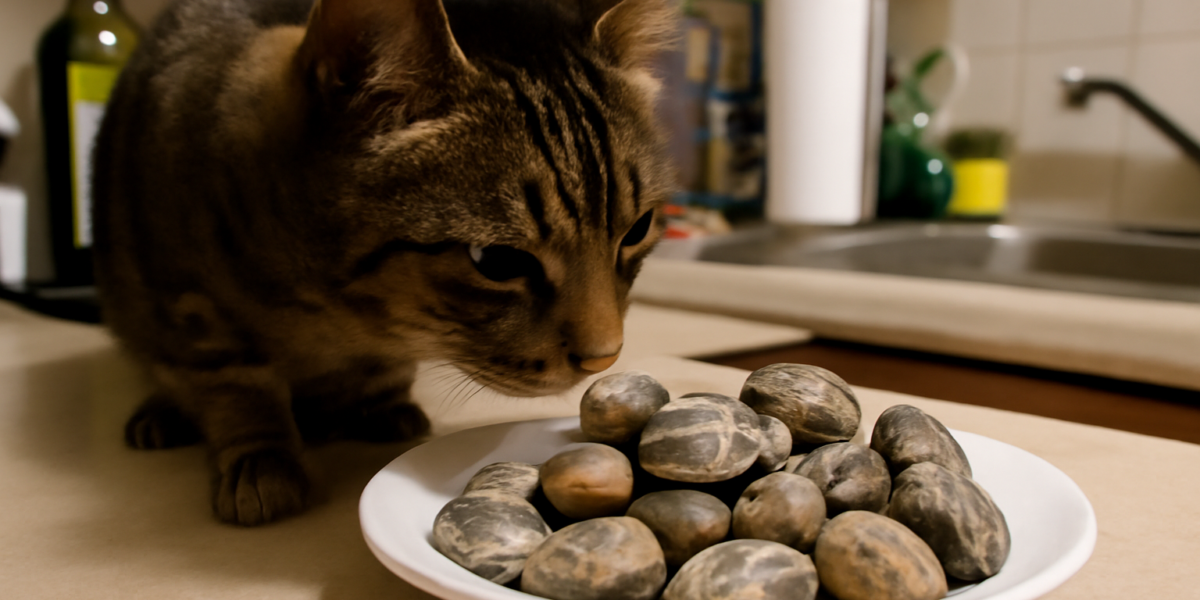
Clams are a widely enjoyed shellfish found in everything from chowders to pasta dishes. Their briny, savory aroma is enough to draw attention from even the most indifferent cat. If your feline has shown interest in clams during meal preparation, you may be wondering whether this particular seafood is safe to share. The answer is yes, with some important conditions.
As obligate carnivores, cats have evolved to subsist on animal-based protein. Their digestive systems are optimized for processing meat, and their nutritional requirements center on amino acids, fatty acids, and vitamins found predominantly in animal tissue. Clams, being an animal protein source, can technically fit within this framework. However, the way clams are prepared for human consumption often introduces ingredients and cooking methods that are inappropriate or even dangerous for cats.
This guide provides a thorough examination of feeding clams to cats, including their nutritional value, the benefits and risks involved, proper preparation methods, symptoms to watch for, and suitable alternatives. Whether you are a seasoned cat owner or considering adopting your first cat, understanding these dietary details is essential.
Quick Answer
Yes, cats can eat clams in small amounts when the clam meat is plain, fully cooked, and removed entirely from the shell. Clams offer high-quality protein, iron, and vitamin B12, making them a nutritionally interesting occasional treat. However, they must never be served raw, and all preparations involving butter, garlic, wine, salt, or other seasonings must be avoided.
Portion sizes should be kept very small, with just a few bite-sized pieces offered once or twice per month at most. Canned clams can be acceptable if they are packed in water with no added salt or preservatives, but fresh clams that you cook yourself are the safest option. Cats with kidney disease, heart conditions, or known shellfish allergies should not be given clams. Always consult your veterinarian before introducing new foods into your cat’s diet, particularly if your cat has any underlying health issues.
Nutritional Considerations for Cats
Clams are remarkably nutrient-dense for their small size. A three-ounce serving of cooked clams contains approximately 126 calories, 22 grams of protein, and less than two grams of fat. This high protein-to-fat ratio is well-suited to feline dietary needs, as cats require substantial protein intake to maintain healthy muscle mass and organ function.
One of the most notable nutritional attributes of clams is their exceptionally high vitamin B12 content. A single three-ounce serving provides many times the daily requirement for humans, and while cats have different requirements, B12 remains crucial for their nervous system function and red blood cell production. Clams are among the richest natural sources of this vitamin.
Iron is another standout nutrient in clams. The heme iron found in clam meat is highly bioavailable, meaning it is efficiently absorbed by the body. Iron supports oxygen transport in the blood and contributes to energy metabolism. For cats, adequate iron intake helps prevent anemia and supports overall vitality.
Clams also provide selenium, zinc, manganese, and phosphorus. Selenium functions as an antioxidant, zinc supports immune health and coat quality, and phosphorus is essential for bone structure and cellular energy. These minerals, while needed in small quantities, play important roles in maintaining feline health.
On the cautionary side, clams contain sodium, with approximately 95 milligrams per three-ounce serving of fresh cooked clams. While this is lower than many other shellfish, it still warrants attention when feeding cats. Canned clams frequently contain significantly more sodium due to added salt and preserving liquids, so reading labels carefully is essential if using canned products.
Clams do not provide sufficient taurine, an amino acid that cats cannot produce on their own and must obtain from their diet. Taurine deficiency leads to serious health consequences including dilated cardiomyopathy and retinal degeneration. This underscores why clams can only serve as a treat, not a dietary staple.
Benefits and Risks of Feeding Clams to Cats
The benefits of offering clams to cats are tied primarily to their nutritional density. The high-quality protein supports muscle health, while the iron content can be particularly beneficial for cats prone to or recovering from anemia. The rich vitamin B12 content supports neurological health and red blood cell formation, and the trace minerals contribute to immune function and antioxidant protection.
The strong, distinctive scent of cooked clams can also serve a practical purpose. Cats who have become disinterested in their regular food, whether due to illness, medication side effects, or simple pickiness, may find the aroma of clams stimulating enough to encourage eating. A small amount of clam meat mixed into their regular food can sometimes reignite appetite.
However, the risks of feeding clams to cats require careful consideration. Raw clams present the most significant danger. Uncooked clams can harbor bacteria such as Vibrio parahaemolyticus and Vibrio vulnificus, as well as norovirus and various marine parasites. These pathogens can cause severe gastrointestinal illness in cats, with symptoms ranging from vomiting and diarrhea to fever and dehydration. Cooking clams to an internal temperature of at least 145 degrees Fahrenheit eliminates these risks.
Shellfish allergies, while not extremely common in cats, do exist. A cat experiencing an allergic reaction to clams may exhibit itching, skin inflammation, facial swelling, digestive upset, or in severe cases, difficulty breathing. Any new food should be introduced in very small quantities with careful monitoring for at least 24 hours afterward.
Clam shells are an obvious physical hazard. The hard, sharp edges of both whole and broken clam shells can cause oral injuries, choking, esophageal damage, or intestinal obstruction. All shell material must be completely removed before offering clam meat to a cat.
Another concern is the potential for biotoxin accumulation. Clams are filter feeders that can concentrate naturally occurring marine toxins, particularly during algal blooms. These toxins are not destroyed by cooking and can cause neurological symptoms in animals that consume affected shellfish. Purchasing clams from reputable sources with proper safety testing helps mitigate this risk.
How to Serve Clams Safely to Your Cat
Proper preparation is the key to making clams a safe treat for your cat. Begin by selecting fresh, high-quality clams from a reputable fishmonger or grocery store. Look for tightly closed shells, which indicate the clams are alive and fresh. Discard any clams with cracked, broken, or open shells that do not close when tapped.
Rinse the clams thoroughly under cold running water to remove surface sand and debris. Soaking them in cold salted water for 20 to 30 minutes can help purge additional sand from inside the shells, though this step is optional.
Cook the clams by steaming them in a covered pot with a small amount of plain water. Do not add wine, butter, garlic, onion, or any seasonings. The clams are done when all shells have opened, usually within five to ten minutes. Discard any clams that remain closed after cooking, as these may be dead and potentially unsafe.
Remove the clam meat entirely from the shells. Inspect each piece carefully for shell fragments, sand, or other debris. Cut the meat into small, manageable pieces suitable for your cat’s size. For most adult cats, pieces about the size of a pea are appropriate.
Allow the clam meat to cool to room temperature before serving. Offer just one or two small pieces for the initial introduction, then wait 24 hours to monitor for any adverse reactions. If your cat tolerates clams well, subsequent servings can include up to three or four small pieces, offered no more than twice per month.
If using canned clams, choose products packed in water with no added salt, preservatives, or flavorings. Drain and rinse the clam meat thoroughly before serving. Be aware that even low-sodium canned clams may contain more salt than fresh cooked clams.
Signs of Problems After Eating Clams
Careful observation after your cat eats clams for the first time, and on subsequent occasions, helps ensure early detection of any problems. Most adverse reactions manifest within a few hours to one day after consumption.
Gastrointestinal symptoms are the most common issue and include vomiting, diarrhea, excessive gas, decreased appetite, and abdominal discomfort. Mild digestive upset may resolve on its own within 24 hours. If symptoms are severe, persistent, or if you notice blood in the vomit or stool, contact your veterinarian promptly.
Allergic reactions to clams may appear as skin-related symptoms including itching, redness, hives, or swelling, particularly around the face, ears, and paws. More serious allergic responses can involve respiratory symptoms such as wheezing, labored breathing, or coughing. Anaphylactic reactions, while rare, require immediate emergency veterinary care.
If shell fragments were accidentally included in the serving, watch for signs of oral injury or internal obstruction. Pawing at the mouth, excessive drooling, reluctance to eat, gagging, or difficulty swallowing suggest possible oral or esophageal injury. Repeated vomiting, constipation, abdominal pain, and lethargy may indicate an intestinal obstruction requiring urgent veterinary intervention.
Signs of food poisoning from undercooked or contaminated clams include rapid onset vomiting, watery or bloody diarrhea, fever, weakness, and dehydration. These symptoms require veterinary attention, as dehydration can become dangerous quickly in cats, particularly in young, elderly, or immunocompromised individuals.
Healthy Alternatives to Clams for Cats
If you want to diversify your cat’s treat options beyond clams, several other protein sources offer similar or superior nutritional benefits with potentially fewer concerns.
Plain cooked shrimp is one of the most popular seafood treats among cat owners. It provides comparable protein levels, is widely available, and most cats find it highly appealing. Shrimp is also relatively simple to prepare safely by boiling or steaming without seasonings. For another shellfish option, you can read about whether cats can eat lobster.
Cooked sardines packed in water offer an excellent omega-3 fatty acid profile that surpasses most shellfish. The soft bones in sardines also provide a natural source of calcium. Choose products without added salt or oil, and offer small portions to avoid excessive caloric intake.
Plain cooked chicken breast is arguably the safest and most universally well-tolerated meat treat for cats. It is low in sodium, low in fat, high in protein, and easy to prepare. Chicken can be boiled, baked, or steamed without any seasoning and cut into small pieces for convenient treat-sized portions.
Plain cooked turkey is another excellent lean protein option. Like chicken, it is gentle on the digestive system and provides high-quality amino acids. Avoid deli turkey or processed turkey products, which contain sodium, nitrates, and other additives unsuitable for cats.
Commercial cat treats with seafood ingredients offer convenience and are formulated with feline nutritional needs in mind. They eliminate the preparation concerns associated with fresh seafood and provide controlled portions. Look for products from reputable brands with transparent ingredient lists. If you are planning to adopt a cat, understanding these treat options will help you provide excellent care from day one.
Frequently Asked Questions
Can cats eat raw clams?
No, cats should never eat raw clams. Raw clams can contain harmful bacteria including Vibrio species, as well as norovirus and marine parasites that cause severe gastrointestinal illness. Additionally, raw clams may contain biotoxins from algal blooms that are not destroyed by cooking. Always serve clams that have been fully cooked by steaming or boiling in plain water until all shells have opened.
Are canned clams safe for cats?
Canned clams can be safe for cats if they are packed in water with no added salt, preservatives, or seasonings. However, even low-sodium canned clams should be drained and rinsed thoroughly before serving to reduce sodium content. Avoid clams canned in oil, broth, or seasoned sauces. Fresh clams that you cook yourself at home provide the greatest control over preparation and are generally the safest option.
Can cats eat clam chowder?
No, cats should not eat clam chowder. Chowder contains multiple ingredients that are harmful or inappropriate for cats, including heavy cream, butter, salt, onion, garlic, potatoes, and various seasonings. The dairy components alone can cause digestive upset in many cats, as most adult cats are lactose intolerant. Only plain, unseasoned, fully cooked clam meat is safe for feline consumption.
How do I know if my cat is allergic to clams?
Signs of a shellfish allergy in cats include itching, skin redness or inflammation, facial swelling, hives, vomiting, diarrhea, sneezing, or watery eyes. Symptoms typically appear within minutes to hours after consumption. If you suspect your cat is having an allergic reaction, do not offer clams again and consult your veterinarian. Severe reactions involving difficulty breathing require immediate emergency care.
Can I feed my cat clam juice or broth?
It is generally best to avoid giving cats clam juice or broth. These liquids are typically very high in sodium, which can be harmful to cats, particularly those with kidney or heart conditions. Even natural clam juice without added salt contains concentrated amounts of sodium from the clams themselves. Fresh, clean water is always the best hydration option for cats.
How much clam meat is too much for a cat?
As a general guideline, limit clam treats to three or four small, pea-sized pieces per serving, offered no more than once or twice per month. All treats combined should represent no more than ten percent of your cat’s total daily caloric intake. Feeding clams more frequently or in larger quantities increases the risk of sodium overload, digestive upset, and potential heavy metal accumulation from regular seafood consumption.


