
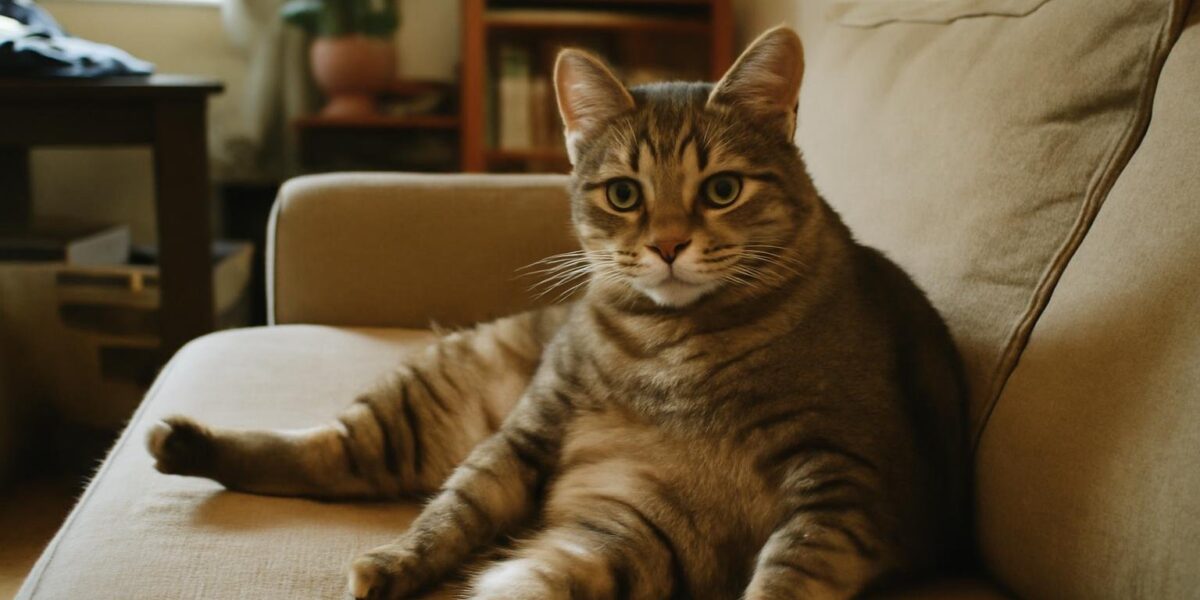
Yes, It’s Normal for Cats to Sleep All Day
If your cat seems to spend most of the day curled up asleep, you can relax — it is completely normal for your cat to sleep all day. Cats are among the sleepiest of our companion animals, clocking around 12 to 16 hours of sleep in every 24-hour period. So when you wonder “is it normal for my cat to sleep all day?”, the answer for a healthy cat is a reassuring yes.
In this article
This is hardwired into who cats are. As natural hunters, cats conserve energy between bursts of activity, resting through much of the day and coming alive at dawn and dusk. A cat who sleeps through the afternoon but springs into playful, hungry life in the early morning and evening is behaving exactly as nature intended.
The most useful thing you can do is learn your own cat’s normal sleep baseline, so you can tell relaxing rest from a change that’s worth a closer look. Let’s explore how much sleep is typical and when extra sleep matters.
How Much Sleep Is Normal for Cats
Feline sleep needs shift with age and lifestyle, but the typical ranges look like this:
- Kittens: often up to 20 hours a day, since sleep fuels rapid growth and development.
- Adult cats: roughly 12–16 hours a day, spread across many naps.
- Senior cats: often 16–20 hours as they tire more easily.
These ranges are guidelines rather than strict limits, and a healthy cat can sit a little above or below them. What you’re really looking for is consistency: a cat who has always been a big sleeper is very different from one whose sleep suddenly increases. Knowing where your individual cat normally falls makes any meaningful shift much easier to spot.
Cats are crepuscular, meaning they’re naturally most active at dawn and dusk. That’s why your cat may nap all day and then zoom around at 6 a.m. For the full picture of feline rest, our pillar guide on why cats sleep so much explains the biology behind those long naps. If your cat clocks especially heavy hours, our companion piece on whether it’s normal for a cat to sleep 16 hours a day covers the upper end of the range.
The way your cat sleeps is also telling. Our guide to cat sleeping positions explains what those curled-up, belly-up, or loafing poses say about how safe and comfortable your cat feels.
What’s Normal Variation
A cat’s daily sleep can swing quite a bit and still be perfectly healthy.
Weather and season. Many cats sleep more on cold, gray, or rainy days — a cozy patch of sun or a warm blanket is irresistible.
Age and activity. A kitten or young cat will alternate intense play with deep crashes, while an older cat naps more steadily. Both are normal.
Light sleep vs. deep sleep. Much of a cat’s sleep is light dozing, where they can wake instantly. You may notice twitching ears or paws during deeper, dreaming sleep — if that ever surprises you, our look at whether it’s normal for a cat to twitch in her sleep explains it.
As long as your cat wakes easily, eats well, uses the litter box normally, and plays during their active windows, sleeping the day away is just classic cat behavior.
The “Catnap” Explained
The word “catnap” exists for a reason — cats are masters of light, easily interrupted sleep, and understanding that explains why they can sleep so many hours yet seem ready to pounce at a moment’s notice.
Roughly three-quarters of a cat’s sleep is light dozing. In this state, your cat’s muscles stay slightly engaged, their ears may swivel toward sounds, and they can snap fully awake in an instant. This is the hunter’s compromise: rest the body while staying alert enough to react. It’s why a cat can appear sound asleep on the windowsill and yet be at the food bowl the second the can opener clicks.
The remaining portion is deeper sleep, including dreaming sleep, where you might see twitching paws, flicking whiskers, or soft sounds. Cats need this deeper sleep too, but it makes up a smaller share of their day. Because so much of their rest is light, the total hours they “sleep” overstate how deeply they’re actually out — which is part of why all those hours are nothing to worry about.
This pattern also explains the famous evening “zoomies.” After a day of light dozing and conserved energy, a cat naturally needs an outlet, so they burst into play at dawn and dusk. Giving that energy a healthy target with interactive toys keeps the cycle balanced and your nights more peaceful.
When Sleeping All Day Is NOT Normal
Excess sleep becomes a concern when it’s a change from your cat’s normal or pairs with other symptoms. Contact your veterinarian if you notice:
- A sudden, marked increase in sleep or a cat who seems hard to rouse.
- Lethargy or weakness — disinterest in food, play, or interaction even during active hours.
- Hiding more than usual, which in cats often signals they feel unwell.
- Changes in appetite, thirst, weight, or litter box habits.
- Vomiting, diarrhea, or signs of pain alongside the extra sleep.
Because cats instinctively hide illness, increased sleeping or hiding can be one of the first clues that something is wrong. Conditions such as infections, pain, kidney disease, diabetes, and others can cause lethargy. If your cat is also retreating from the household, our guide on why a cat hides can help you tell normal alone-time from a warning sign. Keep a home pet first-aid station ready, and remember that home observation supports but never replaces a veterinary exam when something seems off.
Practical Tips for Healthy Cat Sleep
You can encourage good rest while staying tuned to your cat’s baseline.
- Offer cozy, safe sleeping spots. Cats love warm, elevated, or enclosed perches where they feel secure.
- Play during active windows. Interactive play at dawn and dusk satisfies the hunting instinct and helps prevent overnight zoomies.
- Keep a steady routine. Predictable meals and play times help regulate your cat’s sleep-wake cycle.
- Provide enrichment. Window perches, scratchers, and puzzle feeders keep your cat engaged during waking hours.
- Know your cat’s normal. Note how much they typically sleep so you can spot a real change quickly.
If your cat is a kitten or a senior, more sleep is expected and healthy. What matters most is the quality of their awake time: a bright, engaged, hungry cat between naps is almost always a perfectly healthy sleeper.
Boredom Sleeping vs. Restful Sleeping
While long naps are normal, it’s worth knowing the difference between a cat who sleeps a lot because they’re content and a cat who sleeps a lot because there’s simply nothing else to do. Both are common in indoor cats, and the distinction shapes how you enrich their day.
A cat sleeping out of healthy rest will still light up for play, hunt their toys with enthusiasm, explore, and interact with you during their active windows. Their sleep is balanced by genuine engagement when awake. This is the picture you want to see.
A cat who is under-stimulated, by contrast, may sleep more out of boredom — drifting off not because they’re tired but because their environment offers little to do. Over time, boredom sleeping can contribute to weight gain and even low mood, since cats are intelligent animals that need mental and physical outlets.
The fix isn’t to wake your cat or limit their rest — it’s to make their waking hours richer. Rotating toys, food puzzles, climbing trees, window perches, and a few minutes of dedicated interactive play each day give your cat reasons to be awake and active. A well-enriched cat still sleeps plenty, but their sleep is the satisfying rest of a fulfilled hunter rather than the default of an under-stimulated one.
Frequently Asked Questions
How many hours a day do cats sleep?
Adult cats sleep about 12–16 hours a day, kittens up to 20, and seniors often 16–20. These ranges, spread across many naps, are completely normal.
Why does my cat sleep all day and get active at night?
Cats are crepuscular, meaning they’re naturally most active at dawn and dusk. Sleeping through the day and waking for early-morning and evening activity is normal feline behavior.
When should I worry about my cat sleeping too much?
Worry if there’s a sudden increase in sleep, trouble waking, lethargy, increased hiding, appetite or thirst changes, vomiting, or signs of pain. These warrant a vet visit.
Do cats sleep more as they get older?
Yes. Senior cats often sleep 16–20 hours as they tire more easily. As long as they’re comfortable, eating, and otherwise themselves, this increase is usually normal.
Is it normal for my cat to sleep all day while I’m out?
Yes. Cats naturally rest through quiet daytime hours and become more active when you’re home or at dawn and dusk. A lively, hungry greeting is a good sign of healthy sleep.


