Last updated: May 4, 2026
In this article
Pittie Mix Overview
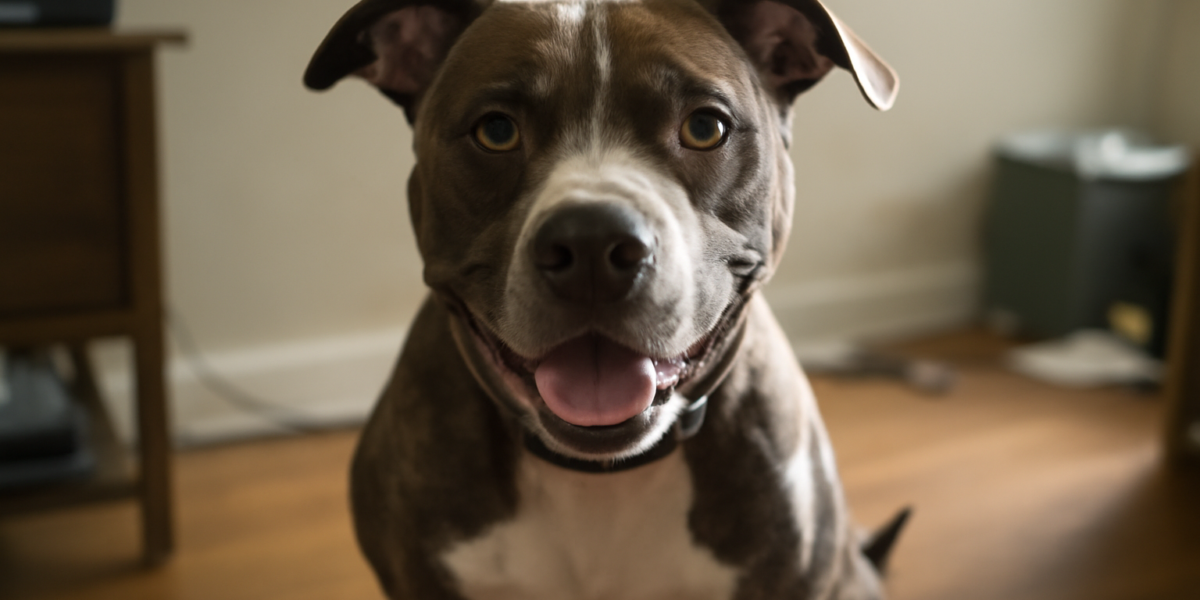
Walk into almost any open-admission shelter in the United States and a sizable portion of the dogs in the kennels will be labeled “pit bull mix” or “pittie mix.” This pittie mix breed profile is meant to give you a calm, useful look at what that label actually means, what it does not mean, and what life with an adopted pittie mix is genuinely like. The dogs themselves are some of the most affectionate, person-oriented, willing-to-please mixes you will ever meet, and they are also some of the most misunderstood.
The phrase “pittie mix” is a category, not a breed. It typically refers to dogs that visually resemble the American Pit Bull Terrier, the American Staffordshire Terrier, or the Staffordshire Bull Terrier, often crossed with anything from a Lab to a Boxer to a Bulldog to a Mastiff to something completely unidentifiable. DNA testing of shelter dogs has shown for years that visual breed identification is wildly inaccurate, which is why we approach this profile by talking about common traits and individual variation rather than promising you the dog you adopt will be predictable.
If you are considering bringing a pittie mix into your home, you are looking at one of the most rewarding adoptions available. You are also walking into a category of dogs affected by housing discrimination, breed-specific legislation in some areas, and a steady stream of online stereotyping. Going in with realistic expectations protects both you and the dog.
Quick Facts
- Common parent breeds: American Pit Bull Terrier, American Staffordshire Terrier, Staffordshire Bull Terrier, often crossed with Labrador, Boxer, Bulldog, Mastiff, or unknown
- Size: Typically 35 to 70 pounds, with significant range
- Energy: Moderate to high, often higher in adolescence
- Coat: Short, smooth, low-maintenance
- Lifespan: Generally long-lived for their size
- Good with kids: Often excellent with proper socialization and supervision
- Good with other pets: Highly individual, dog-selectivity common in adolescence
Temperament and Personality
The traits that show up most often in pittie mixes are people-orientation, enthusiasm, physical affection, and willingness to learn. These are dogs who want to be near their humans, who lean into petting, who climb in your lap regardless of size, and who light up at training sessions. The label hides an unusually goofy, expressive, often clownish personality that surprises new adopters in the best way.
Individual temperament varies widely, though, and that variation matters more than any breed-based prediction. A pittie mix who came from a stable foster home with good socialization will look nothing like a pittie mix who spent six months in a loud shelter or arrived as a stray with an unknown history. Past experiences, individual genetics, and the unknown half of the mix all shape who the dog actually is. A good rescue or shelter assesses each dog as an individual, and you should too.
Dog-selectivity, meaning a preference about which other dogs they enjoy, shows up commonly in adolescence. Many pittie mixes who loved every dog as puppies become choosier between 12 and 24 months. That is not aggression. That is normal social maturation. Dog parks usually become a poor fit during this stage, and structured one-on-one playdates with known friends are a better path. Our dog body language guide helps you read these shifts as they happen.
Size and Appearance
Pittie mixes range widely in size because the non-pit half of the mix can be almost anything. Most adults land between 35 and 70 pounds, with smaller Staffordshire-style dogs on the lower end and Lab or Mastiff crosses pushing higher. Coat colors include brindle, fawn, brown, black, blue, white, and every conceivable combination of patches and patterns.
The classic blocky head, broad chest, and muscular build that people associate with the type are inconsistent in mixes. Plenty of dogs labeled pittie mix at intake have only a small percentage of bully-breed DNA. Visual identification studies, including a well-known University of Florida study, have shown that shelter staff misidentify breeds the majority of the time. The label tells you the dog looks a certain way to a human eye. It does not tell you what is actually in the dog’s genes.
Exercise and Activity Needs
Plan on daily real exercise. A typical pittie mix does well with one to two solid walks, free-running time in a fenced yard if available, and structured play. Adolescents in particular have energy that spills over, and an under-exercised young pittie mix will rearrange your living room out of sheer frustration.
Mental work is just as important as physical work. Food puzzles, scent games, basic obedience drills, and trick training all engage the brain. Many pittie mixes excel at sports like agility, dock diving, and weight pull when given an outlet. A tired-brained dog is a calmer dog at home.
One nuance: many pittie mixes run hot in warm weather and chill quickly in cold weather because of their short coats. Adjust outdoor activity to the conditions, watch for overheating in summer, and consider a coat for sub-freezing winter walks.
Grooming and Care
Coat care is one of the genuinely easy parts of life with a pittie mix. A weekly rubber-curry brushing removes loose hair and stimulates skin oils. Baths every four to eight weeks or as needed are usually sufficient. There is no professional grooming bill to budget for.
Skin allergies and seasonal itchiness do show up in some pittie mixes, often inherited from the bully-breed side. Watch for repetitive scratching, paw chewing, or recurrent ear infections, and loop your veterinarian in early before secondary infections develop.
Dental care matters as much as it does for any breed. Daily brushing or dental chews and routine professional cleanings prevent the painful periodontal disease that quietly affects most adult dogs.
Health and Lifespan
Pittie mixes are generally healthy, athletic dogs with reasonably long lifespans for their size. Common health issues to be aware of include hip dysplasia, skin allergies, certain heart conditions, and some breed-specific concerns depending on the non-pit parent. Mixed-breed dogs are not automatically healthier than purebreds; the hybrid vigor claim is overstated, especially when both parent breeds share predispositions.
Maintaining a lean body weight is one of the most impactful things you can do. Many pittie mixes love food enthusiastically and gain weight quickly when calories are not measured. Excess weight worsens orthopedic issues and shortens lifespan. Routine vet care, vaccinations, parasite prevention, and a thoughtful diet do most of the heavy lifting.
Pet insurance is worth a real look for this category of dog. Our pet insurance guide walks through the math.
Housing, Insurance, and BSL Realities
This is the section most pittie-mix profiles skip, and it matters. Breed-specific legislation exists in some municipalities, ranging from outright bans to muzzle requirements to mandatory liability insurance. Many rental properties have breed restrictions in their leases. Some homeowner’s insurance carriers will not cover households with bully-type dogs, and some carriers underwrite without issue.
Before committing to a pittie mix, check your local ordinances and your housing situation honestly. If you rent, get written confirmation that your dog will be allowed. If you own, call your insurance carrier rather than guessing. None of this means a pittie mix is a bad choice. It means going in informed prevents a heartbreaking surrender later. Adopting a rescue pit bull covers this in more depth.
Misidentification compounds the BSL problem. Many municipalities with bully-breed ordinances rely on visual identification, and dogs with no actual American Pit Bull Terrier ancestry are sometimes classified as restricted breeds simply because they look the part. If you live in a BSL jurisdiction, a DNA test from a reputable provider can sometimes establish that a dog is not predominantly bully-breed, which has helped families in disputed cases. None of this is a reason to ignore the law; it is a reason to plan ahead.
Training and Socialization Approach
Pittie mixes thrive with force-free, positive-reinforcement training started early and continued through adulthood. The breed group’s people-orientation makes them especially responsive to handler-focused training methods. They are food-motivated, often enthusiastic learners, and willing to repeat behaviors that get rewarded. Old-school correction-based training tends to produce shutdown behaviors or fearfulness rather than reliable obedience, and the modern force-free toolkit gets substantially better results.
Early socialization matters enormously. Puppies and adolescents who are exposed to varied environments, people, dogs, sounds, and surfaces during their developmental windows grow into more resilient adults. Adult pittie mixes from rescue may have gaps in early socialization that show up as wariness or reactivity; these are workable with patient, gradual exposure work and a credentialed trainer when needed. Look for trainers with CPDT-KA, KPA, or IAABC credentials and a public commitment to force-free methods.
The three three three rule is particularly relevant for newly adopted pittie mixes. The decompression period in a new home matters more than many adopters realize, and rushed introductions to extended family, other dogs, or busy environments often backfire. Take it slow.
Is a Pittie Mix Right for You?
A pittie mix may be a good fit if you want a deeply affectionate, trainable, athletic companion, and you are willing to be the kind of owner who advocates for your dog in a world that sometimes prejudges. They are a great fit for active singles, couples, and families with kids old enough to handle an exuberant 50-pound dog who does not realize her size.
They are a poor fit if you cannot meet the daily exercise needs, if your housing or insurance prohibits the type, or if you are looking for a dog who will be left alone at home for ten-hour stretches. They are also a poor fit for households unwilling to do basic training; a strong, smart, untrained pittie mix is overwhelming, while a trained one is delightful.
Adopt rather than buy whenever possible. Pittie mixes fill shelters across the country, and the rescue and shelter system is overflowing with adult dogs whose temperaments are already known. Our dog adoption hub and resources on adopting from a foster are good starting points.
Frequently Asked Questions
Are pittie mixes good with kids?
Many pittie mixes are wonderful with kids when properly socialized and supervised. Their tolerance and affection are well documented. As with any dog, never leave young children unsupervised with a dog of any breed, and teach kids to read dog body language.
Are pittie mixes aggressive?
No more or less than any other dog when assessed individually. Reputable behavior research consistently finds that aggression risk depends far more on individual history, training, and management than on breed labels. Adopt from a rescue that does honest temperament evaluations.
How long do pittie mixes live?
Most reach the low to mid teens with good care. Lean body weight, dental care, and routine veterinary visits are the strongest levers you have on lifespan.
Do pittie mixes get along with other dogs?
It depends on the individual. Many do, and many become more selective about canine company as adults. A slow, structured introduction process and reading your specific dog’s preferences matters more than any general rule.
Should I adopt a pittie mix as a first-time owner?
You can, especially if you adopt an adult dog with a known temperament. Adopting an adult dog often makes pittie mixes much more accessible to first-timers than raising a high-energy puppy from scratch.
Looking to adopt a Pittie Mix Breed Profile?
Browse Pittie Mix Breed Profile dogs and mixes available for adoption from shelters and rescues near you.
Find Pittie Mix Breed Profile Dogs for Adoption