Last updated: May 4, 2026
In this article
- Overview of the Serrade Petit Cat
- Origin and History
- Appearance and Distinct Features
- Temperament and Personality
- Living Environment
- Grooming and Coat Care
- Health Considerations and Honest Risks
- Feeding and Nutrition
- Daily Routine and Enrichment
- Multi-Pet Households
- Cost of Ownership Considerations
- Adopting a Serrade Petit
- Is the Serrade Petit Right for You?
- Kitten Care and Early Months
- Frequently Asked Questions
Overview of the Serrade Petit Cat
The Serrade Petit is a very rare small cat breed that emerged in France in the late 1990s. The breed name translates roughly to “small Serrade,” and the cats are notable for their fine bone structure, modest size, and gentle, people-friendly temperament. Outside France and a few neighboring countries, the breed is essentially unknown, and even within France the population is small enough that most cat fanciers will never encounter one in person.
If you are drawn to small, delicate-looking cats with an old-world European feel, the Serrade Petit is worth knowing about. Realistically, however, you may end up adopting a similar small-breed alternative rather than a true Serrade Petit, simply because the breed’s availability is so limited.
Origin and History
The Serrade Petit emerged from French foundation cats whose exact lineage is documented loosely rather than rigorously, in the way many regional European breeds have developed. French breeders interested in preserving small-bodied, fine-boned cats began organizing breeding programs in the late 1990s. Recognition has remained limited; some French and continental European cat clubs document the breed, but it does not hold championship status with the largest international registries.
The breed sits among the smallest pedigree cats in the world. The smallest cat breeds roundup includes the Serrade Petit alongside breeds like the Singapura, Toybob, and Munchkin. Among these, the Serrade Petit is one of the harder to source.
Appearance and Distinct Features
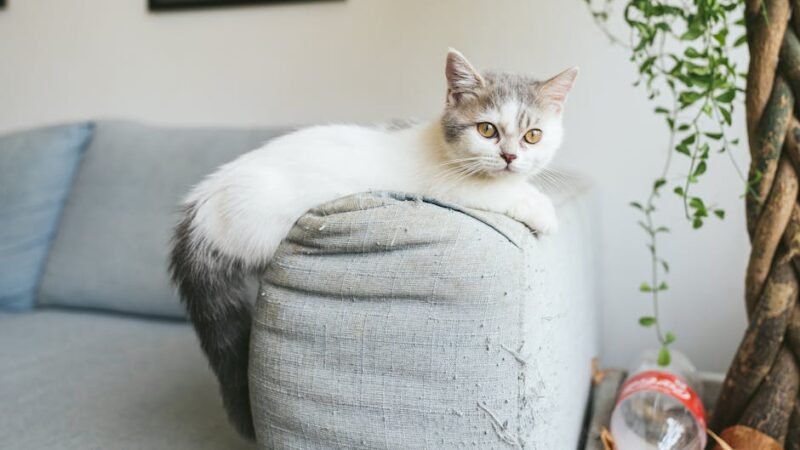
The Serrade Petit is small to very small, with adults typically weighing between roughly 4 and 7 pounds. The body is finely boned but proportional — not dwarfed or short-legged like a Munchkin. Heads are slightly rounded with medium-sized ears and large, expressive eyes. The coat is short and silky, accepting most colors and patterns including solid, tabby, tortie, and bicolor.
The “petit” in the name refers strictly to size; the cat is otherwise structurally normal. There are no extreme conformation features, which is part of why the breed has avoided the structural-health concerns seen in many designer pedigrees. Compare with other naturally tiny breeds in the cat breeds that stay small roundup.
Temperament and Personality
Owner reports describe Serrade Petit cats as gentle, affectionate, and sociable, with a calmer baseline than many active pedigree breeds. They tend to enjoy lap time, follow their humans through the house quietly, and adapt well to apartment living. They are not especially vocal, and they are generally tolerant of respectful children and calm dogs.
Because the breed population is small, breed-wide temperament generalizations should be taken with caution — individual variation matters more than group statistics with such a small founding population. If you find a Serrade Petit and personality fit matters, ask the breeder for a detailed temperament description of the specific cat. The calmest cat breeds roundup covers other options at similar temperament levels.
Living Environment
The Serrade Petit’s small size makes apartment living straightforward. They do not need extensive vertical climbing space, though they appreciate a window perch and a few elevated resting spots. Daily play sessions, soft bedding in quiet corners, and a respectful household are the baseline.
If you live in a Singapore HDB flat or another smaller apartment, the breed fits the format well — see the HDB-friendly cat breeds roundup for similar profiles. The breed is suitable as a strict indoor cat; the small size makes outdoor risks (predators, traffic, theft) higher than for typical-sized cats.
Grooming and Coat Care
The short coat is low-maintenance. A weekly comb-through with a fine metal comb removes loose hair, and seasonal sheds are modest. Bathe only as needed. Standard nail trims, weekly ear checks, and a regular dental routine round out the care plan.
Because the cat is small, dental crowding can occasionally appear in some individuals — keep a closer eye on dental health than you might with a larger cat. Annual dental exams and at-home brushing where the cat tolerates it are worth the effort.
Health Considerations and Honest Risks
The Serrade Petit is a relatively healthy small breed without the structural issues common in flat-faced or short-legged designer breeds. Because the founding population is small, however, genetic diversity is a long-term concern, and outcrossing programs vary in rigor between breeders.
No breed-specific disease load has been firmly documented in the way it has for breeds with longer histories. Routine wellness follows the adult cat wellness checklist — annual exams, dental care, vaccinations, parasite prevention, and bloodwork from middle age. Cardiac screening for hypertrophic cardiomyopathy is reasonable for any pedigreed cat, though there is no specific evidence the Serrade Petit is at elevated risk.
Lifespan figures specific to this breed are unreliable due to the small population. Indoor-kept, well-fed, vet-supported cats appear to live within typical small-breed ranges based on owner reports.
Feeding and Nutrition
Feed a complete and balanced diet appropriate to life stage. Small cats have small stomachs but proportional metabolic demands, and meal sizes need to be adjusted to body weight rather than to a generic feline portion. Fresh water in multiple locations and measured meals are good defaults.
Because the breed is small, weight gain shows quickly even with modest overfeeding. Routine weight checks at the vet help catch creeping pounds before they affect joint health or quality of life. The puzzle feeder guide includes options that slow eating and add enrichment in small portions.
Daily Routine and Enrichment
Serrade Petit cats follow a calmer daily rhythm than active pedigree breeds. A typical day includes a morning play session, breakfast, a long midday nap on a soft perch, afternoon engagement, dinner, and lap time in the evening. They settle into household routines quickly and tolerate quiet, predictable patterns better than chaotic ones.
Plan for two play sessions of about ten minutes each, with low-key enrichment like soft kicker toys, wand toys at moderate height, and small puzzle feeders sized to the breed’s modest appetite. The puzzle feeder guide covers small-portion options. They are not high jumpers and do not need extensive vertical infrastructure — a few low to medium perches and one window seat are usually sufficient.
Multi-Pet Households
Serrade Petit cats generally integrate well with other calm cats and with gentle, cat-savvy dogs. The small size means rough play with larger pets carries injury risk, and supervised introductions matter even more than usual. They often do well as the second cat in a quiet household, where the resident cat is also calm and the routine is established.
The introducing a new kitten to a resident cat guide covers the standard slow-burn protocol. With dogs, choose calm, gentle, smaller breeds rather than high-energy or chase-prone ones; the introducing a new cat to a resident dog guide covers the integration steps.
Cost of Ownership Considerations
Pedigree Serrade Petit cats, when available, command moderate prices through European breeders. International import adds substantial cost in transport, paperwork, and quarantine. Ongoing costs follow standard cat budgets, with relatively modest veterinary expenses thanks to the breed’s natural structural soundness.
The first-year cost of owning a cat guide is a useful baseline. The pet emergency fund savings target page covers building a buffer, and the CareCredit and vet financing options guide covers payment routes if a larger bill arrives before the emergency fund is fully built.
Adopting a Serrade Petit
This breed is hard to find. The realistic adoption paths:
- Direct contact with French or continental European breeders
- International cat shows where the breed occasionally appears
- Breed-specific rescue contacts, though these are minimal given the small population
If a “Serrade Petit” appears at low cost on a North American classified site, slow down significantly. Verify pedigree paperwork, ask for veterinary records, and consult the reputable rescue red flags guide before committing. The finding a reputable rescue in your state resource covers the broader principles, and the cat-only rescues overview can help with specialty rescue options.
For adopters who fall in love with the small, delicate look but cannot find a Serrade Petit, the Singapura is the closest widely-available alternative — also small, also fine-boned, with much better availability.
Is the Serrade Petit Right for You?
The Serrade Petit suits adopters who want a small, gentle, affectionate cat and who are patient enough to wait for a genuine pedigree opportunity through European channels. They fit apartment living, single-cat or small multi-cat households, and households with calm adults or older children.
They are a poor fit for adopters who want a robust, larger, more active cat, or who need a breed they can find quickly through standard local channels. They are also a poor fit for households with rambunctious dogs or very young children — the small size makes accidental injury a real risk.
Kitten Care and Early Months
Serrade Petit kittens, given the breed’s rarity, often come from breeders who have invested significantly in early socialization and handling. Continue that work at home. Maintain the existing food for at least the first two weeks before transitioning. Plan for four small meals daily until about four months, then taper to three. The kitten feeding schedule by age guide covers the standard transitions, and the kitten vaccination schedule covers early veterinary visits.
Because the breed is small, take care during the first months with stairs, large furniture jumps, and rough play with bigger pets or children. Provide soft bedding, low to mid-height climbing surfaces, and supervised exploration. The kitten parasite prevention guide covers the prophylaxis schedule, and the kitten dental development guide covers tooth eruption and early dental care. Small-mouthed cats can develop dental crowding, and starting at-home brushing in kittenhood pays off in long-term oral health.
Senior Care for Serrade Petit
Senior Serrade Petit cats (from about ten years onward) follow standard senior cat wellness routines, with extra attention to dental care and weight management. Small cats can lose meaningful body condition quickly when they go off food, so regular weight checks at home and at the vet matter more than for larger breeds. The senior cat care checklist covers the standard adjustments, and the annual bloodwork for cats guide covers screening priorities.
Twice-yearly veterinary exams replace annual visits in senior years, and bloodwork screening for kidney and thyroid function becomes important. Watch for subtle behavior shifts — small cats are masters of hiding discomfort, and a quieter-than-usual day deserves more attention in this breed than it might in a larger one.
Frequently Asked Questions
How small is a Serrade Petit?
Adults typically weigh between roughly 4 and 7 pounds, depending on individual line. They are smaller than most pedigree breeds but not dwarfed; the structure is finely boned rather than short-legged.
Is the Serrade Petit recognized internationally?
Recognition is limited and primarily through French and continental European cat clubs. Major international registries do not currently grant championship status to the breed.
Are they good with children?
They are gentle and tolerant of respectful older children. Very young children pose a risk of accidental injury given the small size; supervised interaction is best.
How is the Serrade Petit different from the Singapura?
Both are small, fine-boned breeds. The Singapura is more widely available, has firmer registry recognition, and carries a specific ticked-tabby coat standard. The Serrade Petit accepts a broader range of coat colors and patterns.
Where can I see one in person?
European cat shows in France and neighboring countries are your most likely option. Outside Europe, the breed is rarely encountered in pet homes or at shows.
Looking to adopt a Serrade Petit Cat Breed Profile?
Browse Serrade Petit Cat Breed Profile cats and mixes available for adoption from shelters and rescues near you.
Find Serrade Petit Cat Breed Profile Cats for Adoption