Last updated: May 6, 2026
In this article
- What a Silver Bengal Cat Is
- The Inhibitor Gene Explained
- Silver Pattern Compatibility
- Tarnishing and Background Quality
- Eye Color in Silver Bengals
- Silver Bengal Temperament
- Health Considerations
- Care and Daily Routine
- Show Standard for Silver Bengals
- Cost and Availability
- Silver Color Development in Kittens
- Silver Combinations with Other Variants
- Frequently Asked Questions
What a Silver Bengal Cat Is
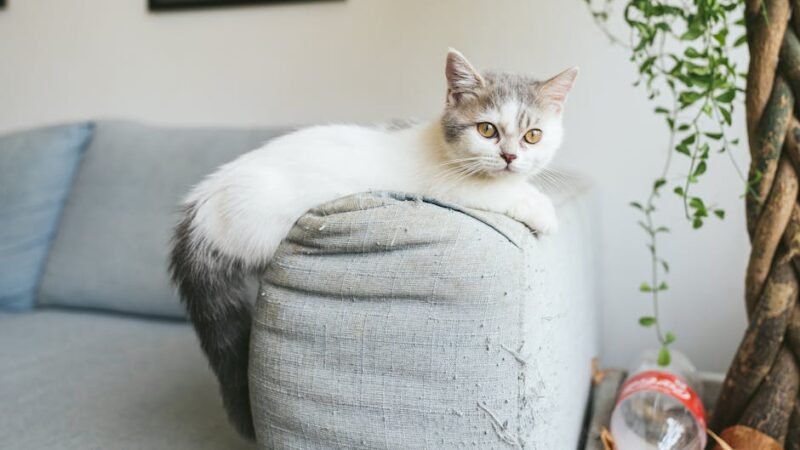
A silver Bengal cat is a Bengal carrying the dominant inhibitor gene, which suppresses the warm yellow and red tones in the coat and produces a silver-to-white background with crisp dark markings. The result is a dramatic monochrome look: black, charcoal, or dark gray spots, rosettes, or marble pattern against a cool silver-white field. Silver Bengals are striking, photogenic, and have grown rapidly in popularity since their TICA recognition.
Silver is a color, not a separate pattern. A silver Bengal can be spotted, rosetted, or marble. The silver background simply replaces the warm brown or tan field of a standard brown Bengal with a cool silver-white field. Eye color in silver Bengals is typically green or gold, never blue. The blue eye trait belongs to snow Bengals, which carry a separate set of genes.
Silver Bengals are TICA-recognized and eligible for championship competition in F4 SBT and later generations. The standard Bengal cat breed profile describes the breed framework into which silver fits as a color variant.
The Inhibitor Gene Explained
Silver coloration is produced by the dominant inhibitor gene, often denoted I (or in some notations Ag for “agouti silver”). The gene works by suppressing pheomelanin (red and yellow pigment) in the coat hair shafts while preserving eumelanin (black and dark gray pigment). The result is hairs with a white base and dark tips, creating the silver visual effect.
Genotype options at the inhibitor locus:
- I/I: dominant homozygous, full silver expression.
- I/i: heterozygous, full silver expression (the inhibitor allele is dominant).
- i/i: recessive homozygous, no silver, normal background color.
Because the inhibitor allele is dominant, a single copy is enough to produce silver. A silver Bengal bred to a non-silver Bengal can produce both silver and non-silver kittens depending on whether the silver parent is I/I or I/i. Two silver Bengals can produce all-silver litters (if both are I/I) or mixed litters (if one or both are I/i).
Silver Pattern Compatibility
The inhibitor gene is genetically independent of the tabby pattern locus, so silver combines with all three Bengal patterns:
- Silver spotted: silver-white background with dark spots.
- Silver rosetted: silver-white background with dark rosettes (single, doughnut, cluster, paw-print, arrowhead).
- Silver marble: silver-white background with dark marble swirls in three-color flow; see our marble Bengal coat pattern profile.
Silver also combines with the charcoal pattern modifier, producing silver charcoal Bengals with a darker mask and cape against a silver background. See our charcoal Bengal color profile for the charcoal genetics. Silver melanistic (black smoke) is a particularly dramatic combination; see our melanistic Bengal profile for that variant.
Tarnishing and Background Quality
Show-quality silver Bengals show the cleanest possible silver-white background with no warm tones bleeding through. “Tarnishing” is the breed term for unwanted yellow, gold, or rust tint visible especially around the face, paws, and along the spine. Tarnishing is considered a fault in show standards but does not affect the cat’s health or pet quality.
Some tarnishing in young silver Bengals fades as they mature, while in others it persists or even intensifies. Genetic factors and modifier genes affect tarnishing expression. Reputable silver breeders work to minimize tarnishing through selective breeding, which is why proven silver lines often command higher prices.
Diet and nutrition can subtly affect coat color, though the genetic foundation dominates. Premium balanced nutrition supports optimal coat expression. The Bengal cat diet guide covers feeding for coat quality across all Bengal colors.
Eye Color in Silver Bengals
Silver Bengals have green or gold eyes. Bright green or grass-green is particularly prized in show standards because it provides striking contrast against the silver coat. Gold eyes are equally accepted. Blue eyes do not occur in silver Bengals because the blue eye trait belongs to colorpoint genetics (snow Bengals), which is genetically separate from the silver inhibitor.
Eye color develops over the first few months. Kittens are born with blue eyes that gradually shift to their adult color by twelve to sixteen weeks. By six months the adult eye color is set. If a silver Bengal kitten retains blue eyes past about four months, the breeder should investigate whether snow genes are also present (silver and snow can co-occur in some pedigrees).
Silver Bengal Temperament
Coat color does not determine temperament in Bengals. Silver Bengals show the same range of personality as brown Bengals at the equivalent generation. An F5 silver Bengal behaves like an F5 brown Bengal: confident, athletic, vocal, social, demanding of engagement.
Earlier-generation silvers (F2, F3, F4) carry the same wild traits as their brown counterparts: high prey drive, intense vocal demand, water fascination, and unpredictable handling tolerance. Generation, not color, drives behavior.
Health Considerations
Silver Bengals share the same health profile as other Bengals. HCM screening on parents is essential; reputable breeders supply echocardiogram results within the past 12 months. Hypertrophic cardiomyopathy in cats is the leading inherited cardiac concern across all Bengal colors.
PRA-b genetic testing is standard. Sensitive digestion and IBD risk from the Asian Leopard Cat ancestor affect silvers the same as browns. Annual bloodwork, dental exams, and periodic cardiac follow-up are sensible. The adult cat wellness checklist provides a baseline.
The inhibitor gene itself does not cause health problems in Bengals. Concerns sometimes raised about silver-related issues (such as those reported in some silver Persian or other lines) do not apply directly to Bengals, where the inhibitor was introduced cleanly via outcrosses to silver-bearing breeds.
Bengals are not hypoallergenic. Silver Bengals produce FelD1 protein at typical cat levels. Test your allergic response by spending hours with the breeder’s adult cats before committing.
Care and Daily Routine
Care for a silver Bengal mirrors care for any Bengal. The standard Bengal cat care guide applies, and the Bengal cat diet guide covers food choices. Premium grain-free wet food, freeze-dried raw, or properly balanced raw works well; standard kibble is often poorly tolerated by Bengals of any color.
Enrichment requirements are identical. Vertical territory, daily structured play, food puzzles, and ideally a secure outdoor catio elevate quality of life. Silver Bengals appear in our cat breeds with spotted coats roundup as part of the spotted Bengal family.
Behavior issues follow standard Bengal patterns. The Bengal cat behavior problems piece walks through litter issues, vocalization, destructive play, and redirection strategies that work across colors.
Show Standard for Silver Bengals
The TICA silver Bengal standard rewards the cleanest silver-white background with no tarnishing, the highest contrast between background and pattern, and bright green or gold eyes. Pattern criteria are scored against the same standards as brown Bengals: rosetted Bengals are judged on rosette form and horizontal flow; marble Bengals on three-color flow without vertical bullseyes; spotted Bengals on clear contrast and arrangement.
Show silver Bengals tend to come from established silver lines with multiple generations of selection for clean background and minimal tarnishing. New silver outcrosses sometimes produce stunning kittens but can carry hidden tarnishing tendencies. Reputable breeders disclose lineage and tarnishing history.
Cost and Availability
Silver Bengals typically command a modest premium over brown Bengals. Pet-quality F5 SBT silver kittens commonly range from $1,000 to $2,500; show-quality from $1,500 to $3,500 or more depending on tarnishing, contrast, and pattern quality. Verify with current breeders.
Silver availability has expanded as the variant has gained popularity. Many established Bengal catteries now produce silver lines alongside brown. Adoption through adopting a rescue Bengal cat is also possible; rescue Bengals appear in all colors including silver.
Silver Color Development in Kittens
Silver Bengal kittens are born with the silver background already visible, although pattern contrast develops over the first weeks. Pattern darkens and crispness improves through the first six to twelve months. Adult silver expression and tarnishing pattern are typically clear by twelve months; minor refinements continue through the second year.
Tarnishing, when present, often becomes more visible as the kitten matures. A young silver kitten with a perfectly clean silver background can develop subtle warm tints around the face or paws by adulthood. Reputable breeders track tarnishing tendencies in their lines and select against the trait over generations.
Diet supports coat quality. Premium balanced nutrition contributes to the depth of pattern color and the cleanness of the silver background. Some breeders recommend specific nutritional protocols for silver lines to minimize tarnishing, although genetic factors remain dominant. The Bengal cat diet guide covers feeding for coat quality.
Silver Combinations with Other Variants
Silver combines with charcoal pattern to produce silver charcoal Bengals: a dark mask and cape on a silver background, often with the highest contrast of any Bengal color combination. This produces a particularly photogenic appearance and has built a strong following among Bengal enthusiasts.
Silver also combines with melanistic to produce black smoke Bengals: a melanistic black coat with a white undercoat producing a dramatic smoke effect; see our melanistic Bengal profile for that combination. Silver snow combinations are rare and visually subtle, since both alleles act on background pigmentation.
For breeders, silver opens many possibilities for color and pattern combinations. For pet owners, silver primarily means a striking visual presentation while everything else (temperament, care, health, generation considerations) follows standard Bengal norms. The cat breeds with spotted coats roundup contextualizes silver Bengals among other spotted breeds.
Frequently Asked Questions
Are silver Bengals rare?
Silver Bengals were rare in the early breed but have become well-established. They are still less common than brown Bengals but readily available from established silver-line breeders.
Why do some silver Bengals look slightly yellow?
This is called tarnishing. It refers to warm yellow or gold tints bleeding through the silver background, especially around the face, paws, and spine. Tarnishing is a show fault but does not affect health.
Can silver Bengals have blue eyes?
No. Silver Bengals have green or gold eyes. Blue eyes occur in snow Bengals (Lynx Point variant), which carry colorpoint genetics independent of the silver inhibitor.
Are silver Bengals more expensive than brown Bengals?
Silver Bengals typically command a modest premium over browns, with show-quality silver kittens priced higher still. Verify with current breeders.
Does the silver gene cause health problems in Bengals?
The inhibitor gene itself does not cause health problems in Bengals. Concerns raised in some other breeds do not transfer cleanly to Bengals. Standard Bengal health screening (HCM, PRA-b) applies regardless of color.
Looking to adopt a Silver Bengal Cat Color Profile?
Browse Silver Bengal Cat Color Profile cats and mixes available for adoption from shelters and rescues near you.
Find Silver Bengal Cat Color Profile Cats for Adoption