Last updated: May 6, 2026
In this article
The Appeal of a Spotted Coat
There is something undeniably striking about cat breeds with spotted coats. Whether the markings are rosettes that mimic a leopard, solid spots scattered like paint flecks, or marbled swirls that ripple across the body, they all carry a whisper of the wild. That wild look is exactly what draws many people to these breeds, but the cats themselves are fully domestic, bred or born to live happily in living rooms rather than jungles.
Spotted coats in cats come from specific genetic patterns that alter how pigment is distributed through the fur. The most famous is the modified tabby gene, which in certain breeds produces distinct spots rather than stripes. In hybrid breeds like the Bengal and Savannah, wild ancestry contributes additional pattern genes that produce more dramatic, leopard-like markings. The result is a small handful of domestic breeds that look genuinely exotic.
If you are drawn to one of these breeds, spend time researching their care needs before committing. Many spotted breeds are highly active, intelligent, and demanding, and they can overwhelm households that expect a typical lap cat. Checking in with breed-specific rescue groups through your local cat adoption hub is a good first step.
The Bengal: The Original Spotted Domestic
Bengals are probably the first breed that comes to mind when people think of spotted cats. Developed in the 1960s by crossing domestic cats with the Asian leopard cat, Bengals carry genuine wild ancestry along with their dramatic rosetted coats. Modern Bengals are several generations removed from their wild forebears and are fully domesticated, though their energy level and intelligence reflect their heritage.
Bengal spots come in two main forms: rosettes, which are doughnut-shaped markings with a darker outline around a lighter center, and solid spots. Coat colors range from the classic brown to silver, snow, and charcoal. The coat itself often has a pelt-like quality that feels closer to a rabbit’s fur than a typical cat.
Bengals need serious enrichment. They climb, jump, play fetch, and often love water. Without adequate stimulation they become destructive and vocal. Our Bengal cat care guide covers their exercise and diet needs in depth, and it is essential reading before adopting one.
The Ocicat: A Fully Domestic Wild Lookalike
The Ocicat is often mistaken for a Bengal or a wild ocelot, but it carries no wild ancestry at all. It was created in the 1960s by crossing Siamese, Abyssinian, and American Shorthair cats, and the spotted pattern emerged as a happy accident in one of the early litters. Since then breeders have refined the look into a distinct, consistent breed.
Ocicats have clearly defined, thumbprint-sized spots scattered across a background of agouti (ticked) fur. They come in twelve recognized colors including tawny, chocolate, cinnamon, blue, lavender, and fawn, each with their silver variants. Body-wise they are athletic, muscular cats of medium size, neither as large as a Bengal nor as slight as a Siamese.
Personality-wise, Ocicats are outgoing, social, and trainable. They often enjoy walking on a harness, playing fetch, and greeting strangers at the door. For people who want the exotic look without the wild temperament, an Ocicat is often the better fit.
The Savannah: Spots at Extreme Scale
Savannahs are the largest of the spotted domestic breeds, with first-generation (F1) individuals sometimes weighing over twenty pounds and standing tall enough to reach a kitchen counter with ease. They were created by crossing domestic cats with the serval, a medium-sized African wild cat. The resulting hybrid carries the serval’s bold black spots on a tan or silver background, along with long legs, large ears, and a hooded eye shape.
Earlier generation Savannahs (F1, F2, F3) retain more wild traits and are regulated or banned in some US states and many countries. Later generations (F4 and beyond) are smaller, calmer, and fully legal in most places, though still considerably more active and demanding than a typical domestic cat. They are loyal, dog-like, and often bond intensely with one person.
Before pursuing a Savannah, check your local laws and be honest about your capacity to meet their needs. They are not beginner cats, and they are rarely available through general-purpose shelters.
The Egyptian Mau: Ancient Natural Spotted Cat
The Egyptian Mau holds a unique place among spotted breeds because its pattern is naturally occurring rather than selectively bred. Art and artifacts from ancient Egypt depict spotted cats strikingly similar to the modern Mau, suggesting the breed has existed in some form for thousands of years. They are also one of the fastest domestic cat breeds, capable of running up to 30 miles per hour thanks to a unique flap of skin that extends their stride.
Mau coats feature random, contrasting spots on silver, bronze, or smoke backgrounds. Their faces carry a characteristic “M” marking on the forehead along with mascara-like lines extending from the eyes. Green gooseberry eyes complete the distinctive look.
Personality-wise, Egyptian Maus are affectionate with their families but often reserved with strangers. They are athletic, intelligent, and sensitive to changes in their environment. Consistent routines and patient socialization help them thrive.
Other Spotted Breeds Worth Knowing
Several less-common spotted breeds deserve mention for anyone exploring this pattern:
- California Spangled: A rare breed created in the 1980s specifically to raise awareness about leopard poaching. Most spangles are now in the hands of dedicated hobby breeders.
- Serengeti: A newer breed developed from Bengal and Oriental Shorthair crosses, with long legs, big ears, and bold spots. Fully domestic with no wild ancestry.
- Arabian Mau: A natural breed from the Arabian Peninsula, sometimes spotted, with short coats suited for hot climates.
- Pixie-Bob: American breed with a bobbed tail, tufted ears, and a rustic spotted or rosetted coat reminiscent of a bobcat, though no actual wild ancestry is confirmed.
- Sokoke: A rare Kenyan breed with distinctive African tabby markings that often appear as modified spots and swirls.
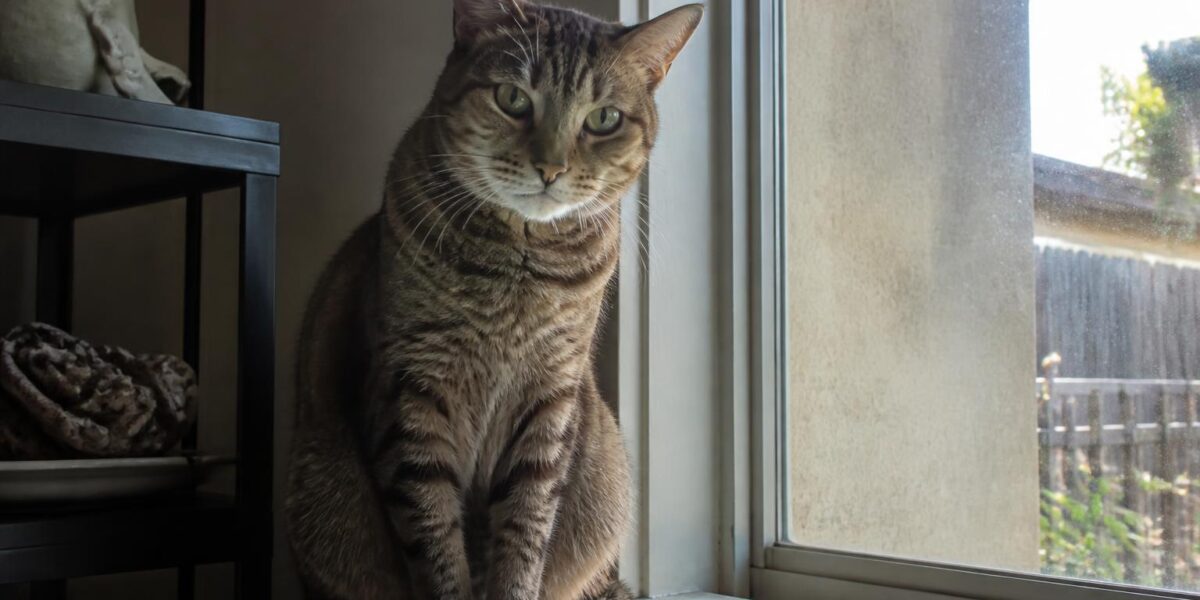
Many mixed-breed domestic shorthairs and tabbies also display spotted patterns, particularly on the belly and legs where tabby markings often break into spots rather than stripes. You do not need a pedigree to bring home a spotted cat.
Choosing the Right Spotted Breed for Your Home
All spotted breeds tend to be more active and demanding than average, but there is real variation among them. Ocicats and Egyptian Maus are usually the most manageable for first-time cat owners who want the look without extreme demands. Bengals and Savannahs require committed, experienced owners with time and patience for enrichment and training.
Consider the following before committing:
- Energy level: Can you provide an hour or more of interactive play daily?
- Space: Do you have vertical climbing space, puzzle toys, and room for a cat to burn off energy?
- Household members: Are children and other pets compatible with a high-energy cat?
- Time at home: These breeds do poorly when left alone for long stretches.
- Legal restrictions: Hybrid breeds like Savannah and early-generation Bengals are restricted in some jurisdictions.
If a purebred spotted cat is not the right fit, many shelter cats have the look without the demands. Spotted tabby patterns are common, and a Domestic Shorthair with leopard-like markings can be just as striking without the high-maintenance temperament. Start your search at your local cat adoption hub.
Frequently Asked Questions
Are spotted cats more aggressive than other breeds?
Not inherently. They tend to be more energetic and playful, which can be misread as aggression when they bite during play. Proper enrichment and socialization prevent most behavior issues.
Do Bengals and Savannahs count as wild animals?
Not at later generations. F4 and beyond Bengals and Savannahs are considered fully domestic by cat registries, though some states and countries still regulate earlier generations. Always check local laws.
What is the difference between rosettes and spots?
Rosettes are circular markings with a darker outline around a lighter center, resembling true leopard markings. Spots are solid patches of color without the outlined ring. Bengals can show either pattern; Ocicats and Maus typically show solid spots.
Can I find spotted cats at a regular shelter?
Yes, though pure breed examples are uncommon. Many domestic shorthairs display spotted tabby patterns, and breed-specific rescues occasionally take in pedigreed Bengals or Ocicats when their owners can no longer care for them.
Are spotted breeds hypoallergenic?
No. No cat breed is truly hypoallergenic. Some people react less to specific breeds, but all cats produce the Fel d 1 protein that causes allergic reactions.
Looking to adopt a Cat Breeds With Spotted Coats?
Browse Cat Breeds With Spotted Coats cats and mixes available for adoption from shelters and rescues near you.
Find Cat Breeds With Spotted Coats Cats for Adoption