Last updated: May 4, 2026
In this article
Quick Comparison
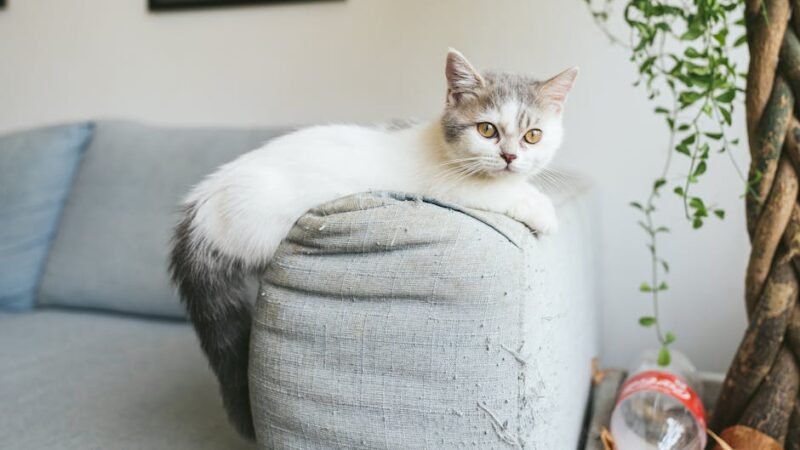
The sterling vs silver Persian comparison is unusual because Sterling was a brief attempt to formalize silver-coated Persians as a separate breed, while the silver Persian today exists as a recognized color class within the broader Persian breed. If you set the two side by side, you would not see two different cats so much as two different bureaucratic labels for what is essentially the same animal: a Persian with a silver, smoke, or chinchilla coat and (often) bright green or copper eyes.
Sterling emerged in the 1980s through the work of Jeanne Johnson and a small group of breeders who believed the silver Persian deserved its own standard. A few registries gave the project preliminary attention, but the effort never reached widespread championship recognition. Most of those bloodlines were absorbed back into Persian breeding programs, and the Sterling name faded from active use.
The silver Persian, meanwhile, lives on as a CFA-recognized color division within the Persian breed. You can find shaded silver, chinchilla silver, smoke, and silver tabby Persians at major shows today. They share Persian conformation, Persian temperament, and Persian health considerations, with the silver coat as the defining cosmetic feature.
Origin and History
Persian cats have one of the longest documented histories of any pedigreed breed, with longhaired Persian-type cats appearing in European art and writing for several centuries. Silver coloration in Persians was selectively developed in Britain during the late nineteenth century, and chinchilla silvers in particular became one of the most photographed varieties of the era. Throughout the twentieth century, silver Persians remained a niche but loyal fancy within the larger breed.
Sterling as a named breed concept appeared in the 1980s. Breeders involved in the project felt that silver Persians had drifted in type from the heavier, more extreme show Persian and that a separate standard would protect their distinctive look, particularly the green-eyed shaded and chinchilla varieties. They proposed Sterling as the silver subset’s own brand, with its own breeding goals and eye-color preferences.
Recognition was limited and uneven. Some smaller registries gave the breed experimental or new-breed status, but CFA and most international bodies kept silver Persians within the Persian color classes. Over the following decades, Sterling lines were re-folded into Persian pedigrees, and the silver Persian color class became the practical home for these cats. Today, Sterling functions more as a footnote in cat fancy history than as a living, separate breed.
Appearance and Build
Both Sterling-descended cats and modern silver Persians share Persian conformation. That means a cobby body, short and thick legs, a broad chest, a round head, small rounded ears, and large round eyes set wide. The coat is long, dense, and double, with a frill around the neck and feathered tail. Persian conformation today comes in two general styles, though both fall under one breed standard.
The peke-face or “ultra” Persian has a flat profile with the nose break placed high between the eyes, giving the modern show look. The doll-face or traditional Persian retains a longer muzzle and a less compressed face. Silver Persians appear in both styles, and Sterling enthusiasts historically tended to favor the more moderate doll-face conformation, which is something you may still see in breeders who self-identify as continuing Sterling lines.
Coat color is where the two labels overlap completely. Both feature silver as a base, with shaded silver showing more tipping along the back and chinchilla silver carrying only the lightest dusting of black at the very tips. Smoke Persians have a colored topcoat over a silver-white undercoat. Eye color in both Sterling and modern silver Persian is often green or blue-green, though copper-eyed silvers also exist within the standard.
Temperament and Personality
Persian temperament is consistent regardless of color, and that includes both Sterling-descended cats and silver Persians. Expect a quiet, gentle, dignified cat that prefers a calm household and predictable routines. Persians are not lap-tackling extroverts like Burmese, nor are they aloof like some Oriental breeds. They occupy a sweet spot of affectionate but undemanding.
You will see most Persians choose a favorite spot, settle, and watch household life unfold from there. They enjoy short play sessions, gentle petting, and being talked to. Vocalizations are soft and infrequent, which makes them well-suited to apartments and households that prefer a peaceful soundscape.
Silver Persians sometimes get described as slightly livelier than solid colors, but evidence for any temperament difference between coat colors is anecdotal at best. What matters far more is socialization and the breeder’s lines. A well-socialized silver Persian or doll-face Sterling-descended cat will be calm, affectionate, and friendly with respectful handling.
Care, Grooming, and Activity Needs
Grooming is the single biggest practical commitment with either label. The Persian double coat mats quickly without daily attention. Plan on a five to ten minute brushing session every day with a wide-tooth comb, plus weekly use of a slicker brush to lift loose undercoat. Mats behind the ears, in the armpits, and along the rear pantaloons are the most common trouble spots.
Bathing every four to six weeks helps manage skin oils and keeps the silver coat looking bright. Tear staining is a frequent issue with peke-face Persians and shows up dramatically on a white silver base, so daily face wiping with a damp cloth is part of the routine. Doll-face silvers and Sterling-style cats with longer muzzles tend to stain less but still benefit from regular face care. Read more about Persian-specific grooming demands in our Persian cat grooming routine guide.
Activity needs are modest. Persians enjoy interactive play but rarely demand it. A few short wand-toy sessions each day plus a couple of vertical perches by a sunny window keep most happy. They are well-suited to indoor-only living and integrate well with calm households. For more on keeping any indoor Persian active, see our indoor cat exercise resource.
Health and Lifespan
Both Sterling-descended and silver Persians carry the full Persian breed health profile. Polycystic kidney disease historically had a high prevalence in Persians, though responsible breeders have used genetic testing for decades to reduce its frequency. Hypertrophic cardiomyopathy is a concern across many breeds, including Persians, and can be screened for with cardiac ultrasound. You can read more in our overviews of hypertrophic cardiomyopathy in cats and chronic kidney disease in cats.
Brachycephalic conformation in extreme peke-face Persians can contribute to tear duct overflow, dental crowding, and breathing difficulties in hot or humid weather. Doll-face Persians typically have fewer of these issues, which is one reason buyers sometimes seek out breeders who continue the Sterling-style moderate conformation. Dental disease is common in older Persians and benefits from yearly cleanings and at-home brushing.
Lifespan ranges in Persians fall within typical pedigreed cat expectations, with well-bred and well-cared-for cats often reaching their mid-teens. Skin conditions, eye conditions, and digestive sensitivities can pop up. Choose a breeder who openly shares health testing results, including DNA panels and cardiac screening, regardless of whether they label their cats Sterling, silver, or simply Persian.
Living Situation Fit
Both versions of the silver Persian thrive in calm indoor homes. They do well in apartments, with seniors, with quiet older children, and with retired or work-from-home owners. They tolerate alone time better than highly social breeds, but they appreciate company and routine. Multi-cat households work as long as introductions are gradual and the resident cats are calm.
Households with energetic young children or boisterous dogs are a poor match. Persians dislike rough handling and chase games, and a stressed Persian will retreat and stop eating. They also prefer climate-controlled environments, since the heavy double coat does not handle hot, humid summers well, particularly in flat-faced individuals.
If you live in a small space and want a quiet, decorative companion who will sit beside you while you read or work, either label of silver Persian fits beautifully. They are also among the breeds we discuss in our best lap cat breeds roundup and calmest cat breeds overview.
Cost and Availability
Modern silver Persians are widely available through CFA breeders in North America, Europe, and Asia. Pet-quality silver Persian kittens commonly fall in the low to mid four figures from established breeders, with show-quality cats higher. Chinchilla silvers, with their dramatic green eyes and lightly tipped coat, often command the top of the range because the look is so distinctive.
Sterling-labeled cats are essentially unavailable as a separate breed today. A small number of breeders may still describe their lines as Sterling, particularly those preserving doll-face conformation in silver Persians, but you should expect such cats to be registered as silver Persians rather than as Sterling. If a seller insists on Sterling as a separate breed with its own pedigree paperwork, ask which registry recognizes them and verify directly.
Rescue is also worth considering. Persians and Persian mixes turn up in shelters and breed-specific rescues regularly, especially as older cats whose grooming needs outpaced their previous owners. Our guides to adopting a rescue Persian cat and cat-only rescues can help you find an adult silver Persian who needs a calm home.
Decision Framework: When to Choose Each
Choose a modern silver Persian if you want a CFA-recognized cat with a clear pedigree, established breed clubs, plentiful breeder options, and a wide range of show eligibility. The modern silver Persian gives you the most reliable path to a healthy, well-bred kitten and the easiest access to community resources.
Look for a Sterling-style or doll-face silver Persian if you specifically want the moderate conformation: a longer muzzle, less tear staining, and easier breathing. These cats are still registered as Persians, but breeders who preserve the doll-face or “Sterling” type are easier to find than they were a decade ago. Use our traditional Persian cat breed profile for context, and compare with the modern conformation in our Persian cat breed profile. The original Sterling movement is documented in our Sterling cat breed profile.
Skip both labels if you cannot commit to daily grooming, regular bathing, and proactive face care. The silver coat in particular shows tear staining and dust quickly, and a neglected Persian becomes uncomfortable fast. A shorter-coated breed will fit a low-maintenance lifestyle far better.
Frequently Asked Questions
Is Sterling still a recognized cat breed today?
No. Sterling was an attempt in the 1980s to register silver Persians as a separate breed, but it never gained sustained championship recognition. Those bloodlines were absorbed back into Persian breed registries, and silver Persian remains the active label.
Are silver Persians healthier than other Persians?
Coat color does not change the underlying breed health profile. Silver Persians share the same risks for polycystic kidney disease, hypertrophic cardiomyopathy, and brachycephalic-related issues as any other Persian. Choose a breeder who tests for PKD genetically and screens for HCM with cardiac ultrasound.
Do Sterling-descended cats look different from regular silver Persians?
The historical Sterling project favored a more moderate, doll-face conformation. Some current breeders preserving those lines produce cats with longer muzzles and less extreme features than show-line peke-face Persians, but they are typically registered as Persians rather than as Sterling.
How do I tell a chinchilla silver from a shaded silver?
Chinchilla silvers have only the very tips of each guard hair colored, giving an almost white overall appearance with a sparkle effect. Shaded silvers carry color further down the hair shaft, producing a darker, more sculpted look along the spine. Both are silver Persians.
Where can I find a silver Persian for adoption?
Persian-specific breed rescues, regional cat-only rescues, and the larger CFA breeder community sometimes place adult silver Persians and retired breeding cats. Browse the adopt cats hub for current listings and read our reputable rescue red flags guide before contacting a seller.
Looking to adopt a Sterling vs Silver Persian?
Browse Sterling vs Silver Persian cats and mixes available for adoption from shelters and rescues near you.
Find Sterling vs Silver Persian Cats for Adoption