Last updated: May 4, 2026
In this article
Overview of the Sterling Cat
The Sterling is a silver Persian variety promoted in the United States in the late 1980s as a possible separate breed. The aim was to give the spectacular silver and chinchilla-coated Persian cats a distinct identity. Today the Sterling is largely absorbed back into the Persian breed and rarely seen as a stand-alone show class.
If you are looking at silver Persian kittens, you are in Sterling territory whether or not the breeder uses the term. The body, head, coat, and personality match the Persian standard; only the silver coat sets the look apart.
This profile covers the Sterling’s history, look, temperament, intensive grooming, and the genuine health considerations that come with the Persian lineage. Where data is limited, we frame it qualitatively rather than invent specifics.
History and Origin
The Sterling emerged in the United States in the late 1980s. The original goal was to recognize silver-coated Persians, including chinchilla and shaded silver patterns, as a separate breed under their own name.
That effort never gained traction in the major registries. Most associations chose to keep silver coats as a color division of the Persian rather than break them off into a new breed. As a result, you will see “Sterling” used informally to describe silver Persians, but you will rarely encounter it as an official championship class.
For practical purposes, treat the Sterling as a silver Persian with all the characteristics you expect from the parent breed. The Himalayan, the Exotic Shorthair, and the Traditional Persian are part of the same family of related breeds and varieties.
Appearance and Coat
Sterling cats are medium-sized with the cobby, heavy-boned Persian body. The chest is broad, the legs are short and sturdy, and the tail is short and full. The head is round with a flat-faced profile in show-style Persians or a more open doll-face profile in traditional types.
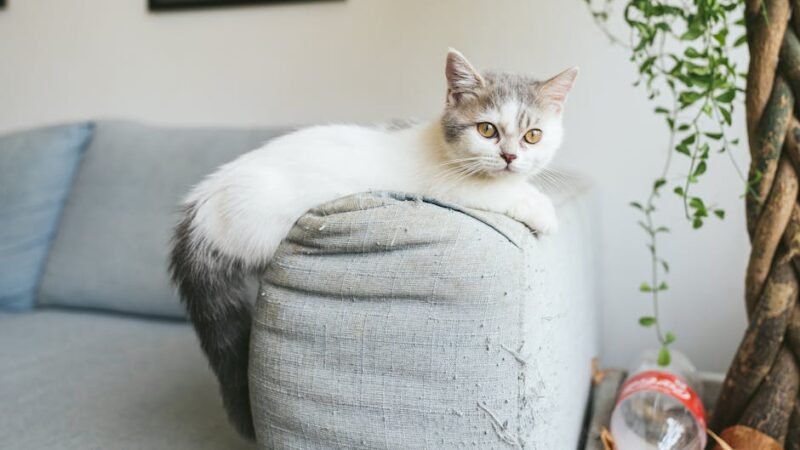
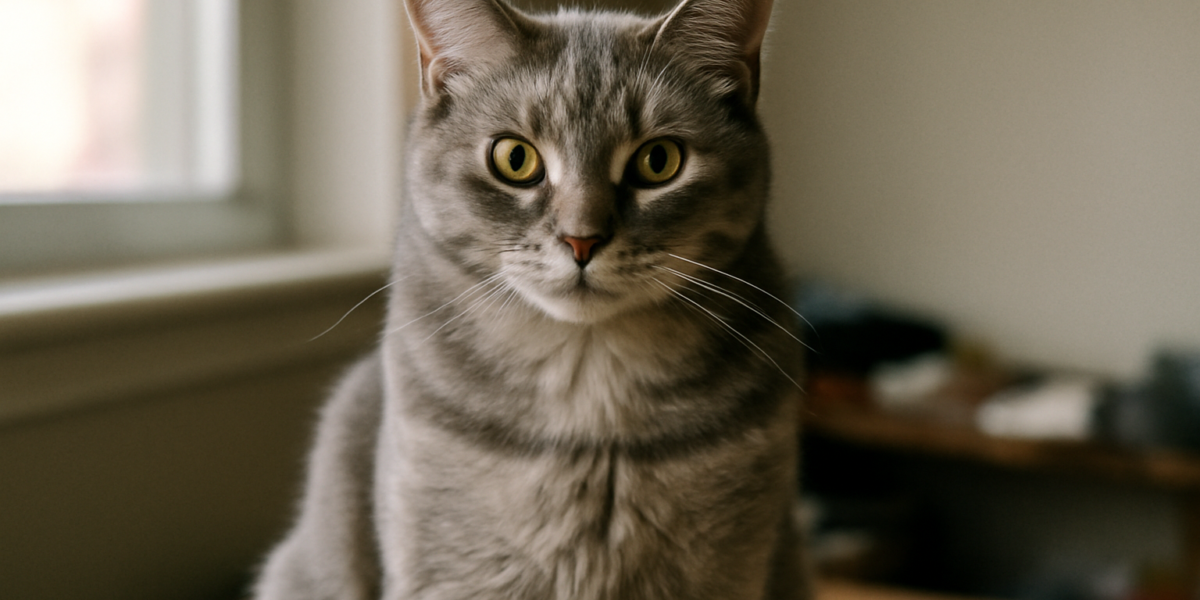
The coat is the headline feature: long, dense, soft, with white undercoat and silver tipping that gives the cat its sparkling appearance. Chinchilla coats show a small amount of black tipping; shaded silver shows more. The look is luxurious, glittering, and high-maintenance.
Eyes are usually green or blue-green, sometimes bordered by a darker rim that emphasizes their brightness. Comparing the silver Sterling to a copper-eyed white Persian or to an Exotic Shorthair shows just how much the coat carries the breed’s identity.
Temperament and Personality
Sterling Persians inherit the classic Persian temperament: calm, gentle, sweet, and undemanding. They prefer quiet households, slow routines, and steady company. They are not climbers or sprinters; they are sofa companions who appreciate a soft cushion and a slow afternoon.
They tend to be quiet vocalizers, often communicating with eye contact and small chirps rather than full voice. Many enjoy gentle play and respond to wand toys and feather teasers, but they do not need the constant high-octane stimulation an Asian-type cat demands.
They generally do well with calm children, respectful cats, and quiet dogs. Loud, chaotic households are not their natural environment. Their calm temperament makes them one of the more calmest cat breeds in the registry.
Grooming and Daily Living
The Sterling’s coat is the single biggest commitment of the breed. Daily brushing is non-negotiable. Without it, the long undercoat mats quickly into pelts that may need professional shaving to remove safely.
Use a stainless-steel comb followed by a slicker brush. Pay special attention to the armpits, behind the ears, the belly, and the breeches. Many owners bathe their Persian-type cats every two to four weeks to keep oil and dander under control.
Eye drainage is common in flat-faced Persians. Wipe under the eyes daily with a damp soft cloth or vet-recommended pad. Brush teeth regularly; Persians are prone to dental crowding and disease. Keep the litter pan clean to avoid coat staining around the rear.
Health Considerations
The Sterling shares the full Persian health profile, which is more extensive than for many other breeds. Polycystic kidney disease has historically affected Persian lines; reputable breeders DNA-test breeding stock and prove kidneys are clear. Ask for documentation.
Hypertrophic cardiomyopathy is the most common heart disease in cats and affects many breeds, including Persians. Cardiac screening of breeding stock and watchful annual exams matter.
Brachycephalic Persians can experience tear duct issues, dental crowding, breathing concerns in heat, and skin fold problems. Traditional doll-face Persians and silver Sterlings with more moderate faces tend to have fewer of these issues. Watch for chronic kidney disease, tooth resorption, and gingivitis across the lifespan.
Diet, Feeding, and Family Living
Sterling Persians do well on a complete and balanced commercial cat food matched to life stage. Some Persian-shaped jaws struggle with standard kibble shapes, so look for kibble shaped specifically for flat-faced breeds, or feed wet food primarily.
Wet food supports hydration, which is important across the Persian family because of the breed’s predisposition to kidney concerns. Discuss kidney-supportive diets with your vet if your cat shows early signs of declining kidney function on bloodwork. Avoid sticky or sugary treats; dental concerns are common in the Persian family and treats that cling to teeth can worsen plaque.
Sterlings tend to thrive in calm households. Quiet, gentle children who respect the cat’s space build trusting relationships. With other cats, Sterlings generally do well alongside calm, respectful companions; avoid pairing them with very active or pushy cats. Cat-savvy dogs are usually fine when introductions are slow.
Use vertical space, low-stress carriers, and gentle handling routines. Sterlings show stress quietly, often through hiding or reduced grooming, so a calm setup helps them feel secure.
Adoption and How to Find a Sterling
Sterlings, as such, are rare in shelters because most are simply listed as silver Persians. Surrendered silver Persians do show up in breed rescue, especially as adults whose grooming has overwhelmed previous owners. Adopting a rescue Persian is one of the most realistic paths to a Sterling-style cat.
If you are buying from a breeder, prioritize ethical practices. Look for kidney DNA testing, cardiac screening, kitten socialization, and a willingness to take cats back at any age. Be alert to red flags such as no contract, no health testing, and pressure to commit before you have met the kittens.
Cat-only rescues and breed-specific rescues are good resources. Start with cat-only rescues in your area and work outward. Finding a reputable rescue in your state is a sound first step.
Is the Sterling Right for You?
The Sterling suits owners who can commit to daily grooming, who want a calm, gentle, lap-loving cat, and who can budget for the regular vet care that Persian-line cats often need.
If you cannot brush a cat every day, consider an Exotic Shorthair as a lower-maintenance alternative with similar personality. The Exotic Shorthair vs Persian comparison may help you decide. If you want active, athletic, vocal company, look at a different breed entirely.
If you have time, patience, and a quiet home, the Sterling is one of the most aesthetically striking and emotionally rewarding cats you can welcome.
Costs, Setup, and Senior Care
Setting up for a Sterling Persian involves typical first-year costs plus additional grooming-related expenses. Plan for spay or neuter, core vaccines, microchip, parasite prevention, food, litter, scratchers, toys, and the grooming tools you will use daily. Grooming tools include a stainless-steel comb, slicker brush, mat splitter, eye-cleaning pads, gentle cat shampoo, and toothbrush plus toothpaste.
Many Sterling owners also budget for a professional groomer or vet-assisted grooming session every few months. The first-year cost of owning a cat guide gives a baseline; add roughly 20-30 percent for grooming-intensive breeds. Build a pet emergency fund from day one, since Persian-line cats can need urgent care for kidney, heart, or dental issues.
As your Sterling ages past seven, transition to senior cat care with twice-yearly vet visits, regular bloodwork, and blood pressure monitoring. Persian-derived cats benefit from earlier and more frequent monitoring of kidney function given the breed’s predisposition.
Watch for subtle senior changes: less jumping, weight changes, or shifts in grooming behavior. Persian cats sometimes stop grooming themselves as well in later years, which means you take over more of the daily coat care. Keep enrichment gentle and accessible; puzzle feeders, soft brushes during cuddle time, and quiet companionship support healthy aging and help prevent feline cognitive dysfunction.
Frequently Asked Questions
Is the Sterling a different breed from the Persian?
For practical purposes today, no. It was promoted as a separate breed for silver Persians in the late 1980s but is now usually treated as a color variety within the Persian breed.
What’s the difference between a Sterling and a Chinchilla Persian?
Chinchilla refers specifically to silver Persians with very light tipping. Sterling was a broader umbrella that included chinchilla and shaded silver Persians in a single proposed breed.
How often does a Sterling need grooming?
Daily brushing and regular baths every two to four weeks. This is not a low-maintenance cat.
Are Sterlings indoor cats?
Yes. Their coat, calm temperament, and brachycephalic-leaning structure mean indoor living, ideally with safe enclosed access if you want fresh air.
What health tests should a breeder run?
Ask about polycystic kidney disease DNA testing and cardiac screening for hypertrophic cardiomyopathy. Discuss family history of dental, eye, and respiratory issues.
How does the Sterling differ from a Himalayan?
The Himalayan is a Persian with Siamese-style colorpoint markings and blue eyes. The Sterling is a silver Persian without the colorpoint pattern. They share Persian conformation and care needs but differ in coat color and eye color.
Should I consider an Exotic Shorthair instead?
If daily grooming is a barrier, yes. The Exotic Shorthair shares the Persian’s calm temperament and rounded face but has a much shorter coat that needs only weekly brushing. The Persian vs Exotic Shorthair guide compares them in detail.
Are silver Persians more expensive than other Persians?
Often yes. The silver coat color is highly prized, and breeders specializing in silver lines may charge premium prices. Show-quality silver Persians command higher fees than pet-quality kittens.
Can a Sterling have green or copper eyes?
The classic chinchilla and shaded silver pattern typically pairs with green or blue-green eyes. Copper eyes appear in other Persian colors. Eye color is part of the standard for show-quality silver Persians.
Looking to adopt a Sterling Cat Breed Profile?
Browse Sterling Cat Breed Profile cats and mixes available for adoption from shelters and rescues near you.
Find Sterling Cat Breed Profile Cats for Adoption