
Last updated: April 10, 2026
In this article
Is Aloe Vera Toxic to Cats? What Vets Say
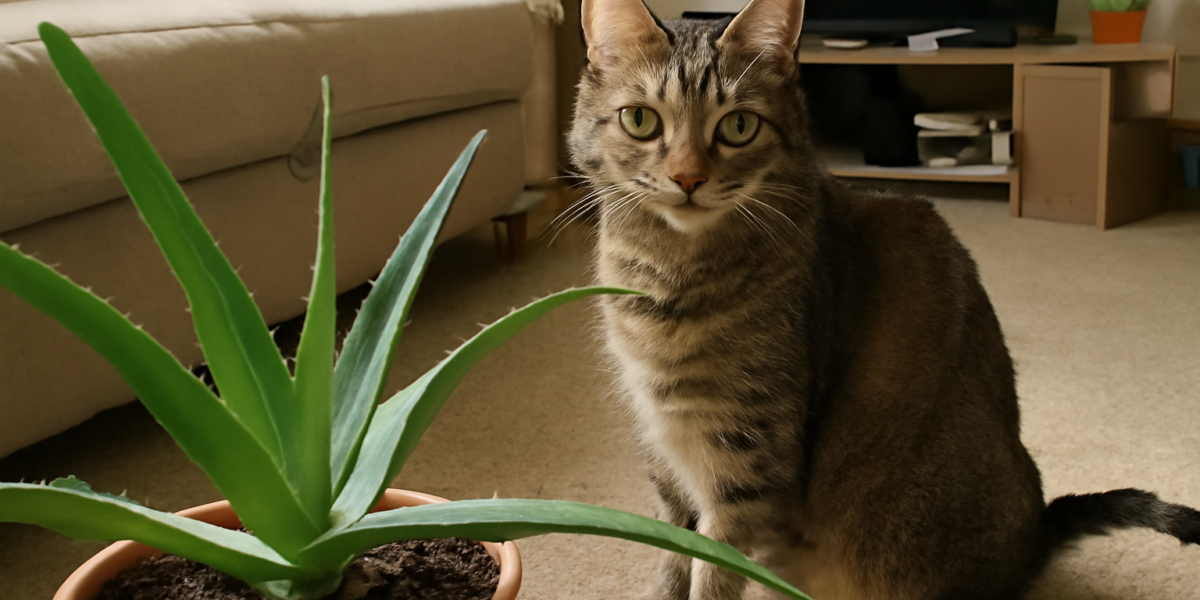
Aloe vera, known for its soothing properties and common use in skincare, can pose a danger to our feline friends. But is aloe vera toxic to cats? The quick answer is yes, aloe vera is indeed toxic to cats. Understanding how and why it’s harmful, along with recognizing the symptoms of poisoning, is crucial for any cat owner. This article will delve into the details and offer safe alternatives and preventive measures.
Are Aloe Vera Toxic?
Aloe vera plants contain compounds that are beneficial to humans but toxic to cats. The gel inside the leaves is generally safe for humans, but the latex found in the plant’s skin contains harmful saponins and anthraquinones. These compounds can cause adverse reactions in cats, making aloe vera a toxic plant for them.
As a responsible pet owner, it’s important to recognize that while aloe vera can be a great indoor plant, it should be kept out of reach of curious cats. You can explore more about toxic indoor plants to ensure your home is safe for your feline friends.
Toxic Compounds and How They Affect Pets
The toxicity in aloe vera stems from compounds such as saponins and anthraquinones. Saponins are natural detergents that can lead to gastrointestinal discomfort, while anthraquinones have a laxative effect. When ingested, these substances can cause significant health issues in cats, ranging from mild to severe symptoms.
The latex, which contains these compounds, affects the digestive system, leading to vomiting and diarrhea. In some cases, ingestion can also result in changes to the color of urine or more severe systemic issues. Learn more about the effects of common poisonous plants on pets to keep your furry friends safe.
Symptoms of Poisoning
If a cat ingests aloe vera, the symptoms can vary. Common signs of aloe vera poisoning include:
- Vomiting
- Diarrhea
- Lethargy
- Tremors
- Changes in urine color
In some cases, a cat might also show a loss of appetite or changes in behavior. If you notice any of these symptoms and suspect aloe vera ingestion, it’s crucial to act quickly. The sooner you address the issue, the better the outcome for your pet.
What to Do If Your Pet Eats This Plant
If you suspect your cat has consumed aloe vera, here are steps you should take immediately:
- Remove access to the plant to prevent further ingestion.
- Observe your cat closely for any symptoms of poisoning.
- Contact your veterinarian or an emergency pet poison hotline immediately.
- Follow the advice provided by veterinary professionals, which may include bringing your cat in for immediate care.
Prompt action can make a significant difference in your cat’s recovery. For more guidance, read our article on emergency first aid for pets.
Pet-Safe Alternatives
While aloe vera is popular, there are plenty of pet-friendly alternatives that offer similar aesthetic and air-purifying benefits without the toxicity risk. Consider these safe options for your home:
- Spider Plant (Chlorophytum comosum)
- Boston Fern (Nephrolepis exaltata)
- Bamboo Palm (Chamaedorea seifrizii)
- Areca Palm (Dypsis lutescens)
These plants are non-toxic to cats and can provide a lush, green environment without endangering your furry family members.
How to Keep Pets Safe Around Plants
Preventing accidental ingestion is key to keeping your pets safe. Here are some strategies to protect your cats from harmful plants:
- Place toxic plants in areas inaccessible to pets, such as high shelves or enclosed spaces.
- Consider using deterrents such as citrus peels or pet-safe sprays to keep cats away from plants.
- Regularly educate yourself about toxic and non-toxic plants to make informed decisions for your home garden.
- Offer plenty of cat-safe plants to satisfy their curiosity and need for exploration.
By being vigilant and proactive, you can create a safe environment that allows your pets to thrive without the risk of plant-related health issues.
Frequently Asked Questions
Is aloe vera safe for cats in any form?
No, aloe vera should be considered unsafe for cats in all forms due to the toxic compounds it contains. It’s best to avoid having aloe vera within reach of your cat.
What part of the aloe vera plant is toxic to cats?
The latex found in the outer part of the aloe vera leaves contains the toxic compounds saponins and anthraquinones, which are harmful to cats.
Can a small amount of aloe vera hurt my cat?
Even small amounts of aloe vera can cause discomfort and symptoms of poisoning in cats. It’s important to prevent any ingestion of the plant.
What should I do if my cat shows signs of aloe vera poisoning?
If your cat exhibits symptoms such as vomiting, diarrhea, or lethargy, contact your veterinarian immediately for advice and potential treatment.


