
Last updated: May 16, 2026
In this article
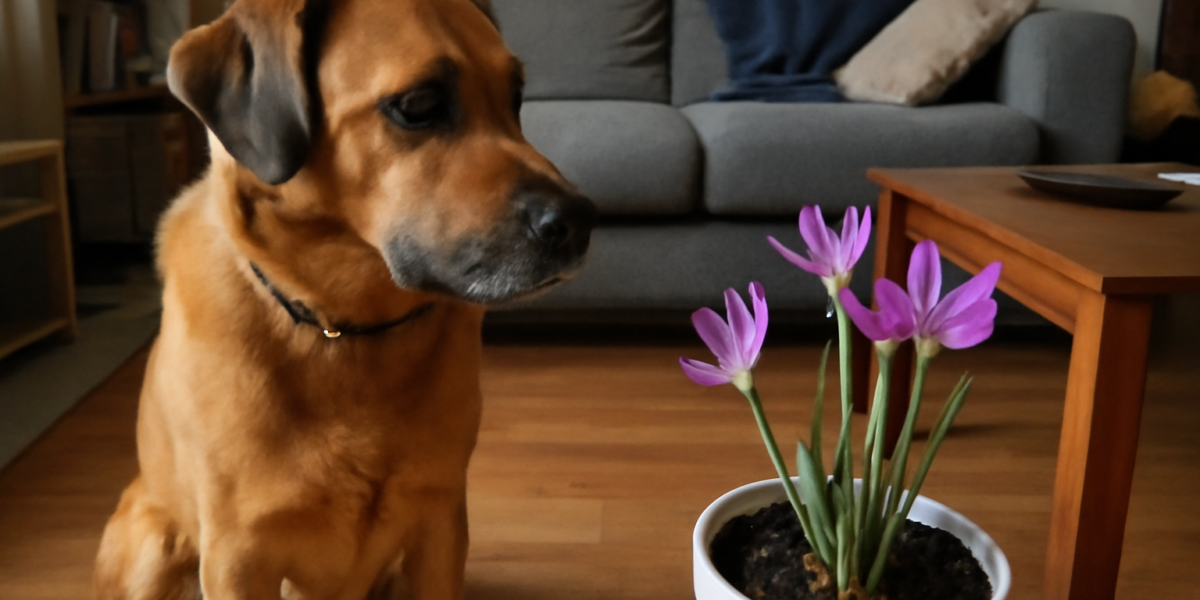
Are Autumn Crocus Toxic to Dogs? The Hidden Danger in Your Garden
Autumn crocus might look like a delicate, harmless flower, but this plant harbors one of the most dangerous natural toxins a dog can encounter. Unlike many toxic plants that cause temporary discomfort, autumn crocus poisoning can be devastating, sometimes fatal, and its delayed symptoms make it particularly treacherous.
Autumn crocus is extremely toxic to dogs. The plant contains colchicine, a potent toxin that disrupts cell division throughout the body and can lead to multi-organ failure. This is not a mild toxicity concern. Autumn crocus poisoning is a genuine life-threatening emergency that requires immediate veterinary care.
What makes autumn crocus especially dangerous is that symptoms can be delayed, sometimes appearing 24 to 72 hours after ingestion. By the time signs appear, significant damage may already be underway. This guide will help you understand the full scope of the danger and what to do to protect your dog.
Understanding Colchicine: A Potent Cellular Toxin
Autumn crocus (Colchicum autumnale), also known as meadow saffron or naked lady, belongs to the family Colchicaceae. It is critically important not to confuse it with the spring-blooming crocus (Crocus species), which belongs to a different plant family and is only mildly toxic, typically causing minor gastrointestinal upset.
The primary toxin in autumn crocus is colchicine, along with related alkaloids colchicoside and demecolcine. Colchicine is a powerful anti-mitotic agent, meaning it stops cells from dividing. In human medicine, colchicine is used in carefully controlled doses to treat gout and certain inflammatory conditions. In an uncontrolled exposure, however, it is devastating.
Colchicine works by binding to tubulin, a protein essential for the formation of microtubules that cells need to divide. When colchicine disrupts this process, rapidly dividing cells are affected first. This includes:
- Gastrointestinal lining cells, leading to severe GI damage
- Bone marrow cells, causing a dangerous drop in white blood cells and platelets
- Liver and kidney cells, potentially leading to organ failure
All parts of the autumn crocus are toxic, but the bulb (corm) and seeds contain the highest concentrations of colchicine. A single bulb can contain enough colchicine to be lethal to a medium-sized dog. Even the flowers and leaves carry significant amounts of the toxin.
The colchicine content is so potent that the lethal dose in dogs is estimated to be approximately 0.8 milligrams per kilogram of body weight, a remarkably small amount considering that a single bulb can contain 20 milligrams or more.
Symptoms of Autumn Crocus Poisoning
One of the most insidious aspects of autumn crocus poisoning is its biphasic symptom pattern. Initial symptoms may seem manageable, but the most dangerous effects often do not appear until one to three days later.
Phase 1: Early symptoms (2 to 24 hours after ingestion)
- Vomiting, which may be severe and persistent
- Profuse, watery, or bloody diarrhea
- Drooling and excessive salivation
- Abdominal pain, shown by hunching, whimpering, or guarding the belly
- Loss of appetite
- Lethargy
Phase 2: Delayed symptoms (24 to 72+ hours after ingestion)
- Bone marrow suppression leading to dangerously low white blood cell counts
- Increased risk of secondary infections due to immune suppression
- Liver failure with jaundice (yellowing of gums and whites of eyes)
- Kidney failure with decreased or absent urination
- Respiratory distress
- Seizures
- Cardiac complications including arrhythmias
- Disseminated intravascular coagulation (DIC), a life-threatening blood clotting disorder
- Multi-organ failure
- Death
The delayed onset of severe symptoms is what makes autumn crocus so dangerous. An owner might see initial vomiting and assume their dog simply ate something disagreeable. By the time organ damage becomes apparent, the window for the most effective treatment may have narrowed significantly.
Emergency Response and Veterinary Treatment
If you suspect your dog has ingested any part of an autumn crocus, treat this as an immediate life-threatening emergency. Do not wait for symptoms. Do not monitor at home. Go to the vet now.
Immediate steps:
- Remove your dog from the plant and prevent any further ingestion.
- Call your veterinarian or emergency animal hospital immediately. Tell them you suspect autumn crocus (colchicine) poisoning. You can also call the ASPCA Animal Poison Control at 888-426-4435.
- Do not induce vomiting at home unless explicitly instructed by a veterinary professional.
- Transport to the vet immediately. Bring a sample of the plant or a photo if possible.
- Note the time of ingestion and estimate the amount consumed if you can.
For more guidance on responding to plant poisoning emergencies, see our comprehensive pet poisoning emergency guide.
Veterinary treatment is intensive and typically involves:
Decontamination: If the ingestion was recent (within one to two hours), the vet will likely induce vomiting and administer activated charcoal. Repeated doses of activated charcoal may be given because colchicine undergoes enterohepatic recirculation.
Aggressive IV fluid therapy: Fluids are critical for maintaining blood pressure, supporting kidney function, and helping the body process and eliminate the toxin.
Anti-nausea and GI support medications: To manage the severe vomiting and diarrhea that typically accompany colchicine poisoning. Gastrointestinal protectants are often administered to help protect the damaged GI lining.
Continuous monitoring: Blood work will be checked frequently, often every 12 to 24 hours, to track white blood cell counts, platelet levels, liver enzymes, kidney values, and blood clotting parameters.
Bone marrow support: If white blood cell counts drop dangerously low, the vet may administer granulocyte colony-stimulating factor (G-CSF) to help stimulate white blood cell production. Antibiotics may be given prophylactically to prevent secondary infections.
Organ support: Treatment for liver or kidney failure may include specialized medications, plasma transfusions, and in severe cases, dialysis.
There is no specific antidote for colchicine poisoning. Treatment is entirely supportive, which means it focuses on keeping the dog alive and functional while the body processes and eliminates the toxin. Hospitalization for three to seven days is common in serious cases.
Identifying Autumn Crocus and Avoiding Confusion
Correctly identifying autumn crocus is essential for prevention. There are several plants that can be confused with autumn crocus, so knowing the distinguishing features is important.
Autumn crocus (Colchicum autumnale) characteristics:
- Blooms in late summer to autumn, typically September through November
- Flowers appear without leaves, earning the nickname “naked ladies”
- Flowers have six petals and six stamens
- Petals are typically pink to lilac-purple, though white varieties exist
- Leaves are broad, strap-shaped, and appear in spring (separate from the flowers)
- Grows from a large, fleshy corm (bulb-like structure)
Spring crocus (Crocus species) differences:
- Blooms in late winter to early spring
- Flowers appear with grass-like leaves
- Flowers have three stamens (not six)
- Generally much smaller than autumn crocus
- Only mildly toxic, causing minor gastrointestinal upset
If you are unsure which type of crocus is growing in your garden or neighborhood, consult a local nursery or use a plant identification app. When in doubt, keep your dog away from all crocus-like plants.
Prevention: Keeping Your Dog Safe from Autumn Crocus
Given the extreme toxicity of autumn crocus, prevention is absolutely critical.
Remove autumn crocus from your property. If you have autumn crocus growing in your garden, remove it completely, including the corms. Wear gloves when handling the plant, as colchicine can also be absorbed through the skin.
Be aware of wild populations. Autumn crocus grows wild in meadows and grasslands across parts of Europe and has been introduced to many areas in North America. If you walk your dog in areas where autumn crocus might grow, stay vigilant during the fall blooming season.
Supervise outdoor time. During autumn, be especially watchful when your dog is in the garden or on walks. Dogs that are diggers are at particular risk because they may unearth corms.
Educate your family and neighbors. Make sure everyone in your household knows what autumn crocus looks like and understands the danger. If neighbors grow it, ask them to consider safer alternatives, especially if gardens share a boundary.
Choose safe alternatives. There are many beautiful fall-blooming plants that are safe for dogs. For ideas, explore our guide to pet-safe garden plants. Safe fall-blooming alternatives include asters, chrysanthemums (mildly toxic but not dangerous), sedums, and goldenrod.
It is also worth knowing which common household foods can be dangerous alongside toxic plants. Our article on foods toxic to dogs provides another layer of protection for your pet.
Prognosis and Recovery
The prognosis for autumn crocus poisoning depends on several factors, including the amount ingested, the size of the dog, and how quickly treatment was initiated.
With early, aggressive treatment: Dogs that receive decontamination and supportive care within the first few hours after ingestion have the best outcomes. Many of these dogs recover fully, though it may take one to two weeks for blood values and organ function to normalize completely.
With delayed treatment: Dogs that do not receive treatment until severe symptoms have developed face a much more guarded prognosis. Multi-organ failure carries a high mortality rate even with intensive care.
Long-term effects: Dogs that survive severe autumn crocus poisoning may experience lingering effects on the GI tract, liver, or kidneys. Follow-up veterinary appointments and blood work are important to monitor recovery and catch any delayed complications.
The key takeaway is that time is your dog’s greatest ally in autumn crocus poisoning. The faster you act, the better the chances of a full recovery.
Frequently Asked Questions
How do I tell the difference between autumn crocus and spring crocus?
The easiest way to distinguish them is by blooming time and stamen count. Spring crocus blooms in late winter to early spring and has three stamens per flower. Autumn crocus blooms in fall and has six stamens. Autumn crocus flowers are generally larger and appear without leaves (“naked”), while spring crocus flowers appear alongside narrow, grass-like leaves. If you cannot identify the plant with certainty, keep your dog away from it and consult a local garden center.
Can autumn crocus poisoning be treated at home?
No. Autumn crocus poisoning is a severe, life-threatening emergency that requires professional veterinary treatment. Home treatment is not sufficient for colchicine toxicity. The toxin causes multi-organ damage that requires IV fluids, blood monitoring, and potentially bone marrow support. Do not attempt to manage this at home. Get to a veterinarian immediately.
Are all parts of the autumn crocus equally dangerous?
All parts of the autumn crocus are toxic, but the bulb (corm) and seeds contain the highest concentrations of colchicine and are the most dangerous. The flowers and leaves also contain significant amounts of the toxin and should never be considered safe. Even water that has been in contact with the plant can contain dissolved colchicine.
My dog ate something in the garden and is vomiting. How do I know if it was autumn crocus?
If your dog is vomiting after being in the garden during autumn and you grow or have access to autumn crocus, treat it as a potential poisoning. Look for evidence such as chewed plant material, disturbed soil near where autumn crocus grows, or plant fragments in vomit. Bring any evidence to the vet. Even if you are not certain, informing your vet about the possibility of autumn crocus exposure ensures they watch for the delayed, severe symptoms characteristic of colchicine poisoning.
Autumn crocus is a genuinely dangerous plant for dogs. Knowledge, vigilance, and quick action are your best tools for keeping your furry family member safe from this deceptively beautiful threat.


