
Last updated: April 10, 2026
In this article
Are Birds of Paradise Toxic to Dogs?
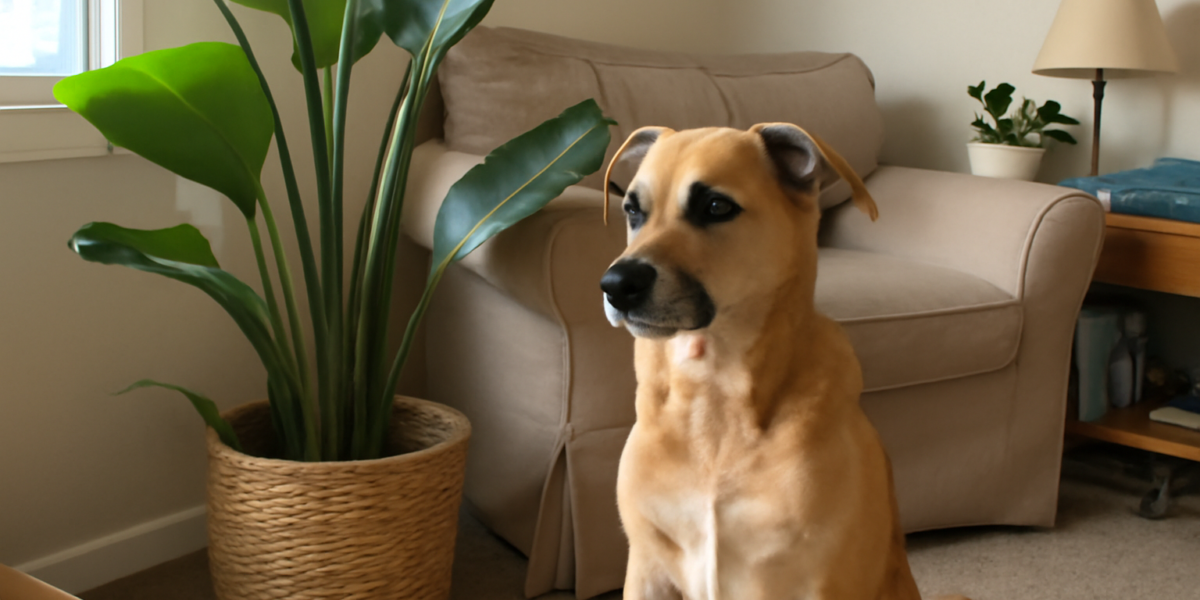
The birds of paradise plant, with its striking flowers and lush foliage, is a popular choice among garden enthusiasts. However, as a responsible pet owner, it is essential to know whether this plant poses any risk to your furry friends. So, are birds of paradise toxic to dogs? The short answer is yes, they can be harmful if ingested.
Are Bird Of Paradise Toxic?
Birds of paradise plants (Strelitzia reginae) are considered mildly toxic to dogs. The plant contains compounds that can cause discomfort and symptoms of poisoning if ingested by pets. While not highly toxic, it is still advisable to keep this plant out of reach of your canine companions to prevent any health issues.
Toxic Compounds and How They Affect Pets
The primary toxic component in birds of paradise is hydrocyanic acid, which is found in all parts of the plant, including the leaves, flowers, and seeds. When consumed by dogs, these compounds can lead to mild to moderate gastrointestinal distress. The severity of the symptoms can vary depending on the amount ingested and the size of the dog.
Symptoms of Poisoning
If a dog ingests parts of a birds of paradise plant, they may exhibit symptoms such as:
- Vomiting
- Diarrhea
- Lethargy
- Drooling
- Loss of appetite
In rare cases, more severe symptoms like tremors or difficulty breathing could occur. If you notice any of these signs, it is important to seek veterinary care immediately.
What to Do If Your Pet Eats This Plant
If you suspect your dog has ingested any part of a birds of paradise plant, take action quickly. Follow these steps:
- Remove any plant material from your pet’s mouth.
- Rinse their mouth with water to remove any residual plant particles.
- Contact your veterinarian or an emergency animal clinic for advice.
- Observe your pet for any symptoms and provide details to the veterinarian.
Prompt action can help mitigate the effects of poisoning and ensure your pet receives the necessary care.
Pet-Safe Alternatives
If you’re looking for beautiful, non-toxic plants to decorate your home or garden, consider these pet-safe alternatives:
- Spider Plant: Known for its air-purifying qualities, this plant is safe for pets.
- Areca Palm: A lovely palm that adds a tropical feel without posing a risk to your pets.
- Bamboo Palm: Another pet-friendly option that is easy to care for and visually appealing.
These alternatives are not only safe but also add beauty and greenery to your living space.
How to Keep Pets Safe Around Plants
To ensure the safety of your pets around houseplants, consider these tips:
- Place plants out of reach of pets, either on high shelves or in hanging baskets.
- Use deterrent sprays to discourage pets from chewing on plants.
- Regularly monitor your pets’ behavior and intervene if they show interest in plants.
- Educate yourself on toxic plants and remove any that may pose a risk.
By taking these precautions, you can enjoy the beauty of plants while ensuring your pets remain safe and healthy.
Frequently Asked Questions
Are all parts of the birds of paradise plant toxic to dogs?
Yes, all parts of the plant, including leaves, flowers, and seeds, contain toxic compounds that can be harmful to dogs.
What should I do if my dog shows symptoms after eating a plant?
If your dog exhibits symptoms of poisoning, contact your veterinarian immediately for guidance and potential treatment options.
Can birds of paradise cause long-term health issues in dogs?
While birds of paradise typically cause only mild to moderate symptoms, severe cases of poisoning could potentially lead to more serious health complications. It is essential to seek veterinary care promptly.
Where can I find more information on toxic plants for pets?
For more information on plants that are harmful to pets and pet care tips, visit our article on toxic plants and pets and explore other pet safety resources on pet care guides.


