
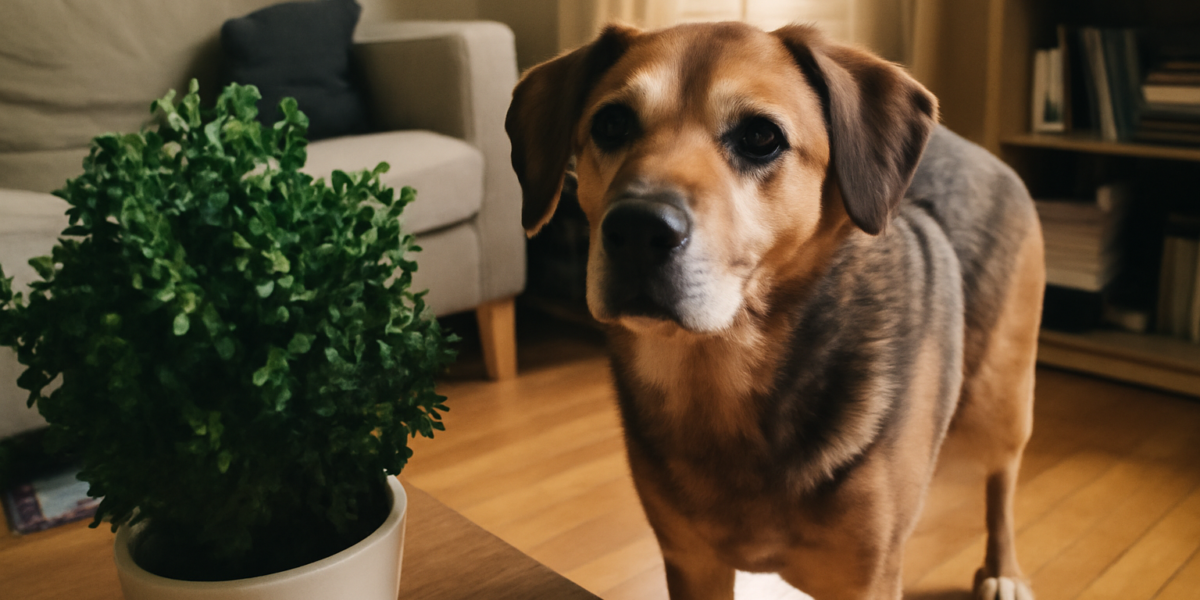
Boxwood Shrubs Are Toxic to Dogs
Boxwood (Buxus spp.) is toxic to dogs. These evergreen shrubs, beloved for their dense foliage and neat, clippable form, contain steroidal alkaloids — primarily buxine — that can cause serious gastrointestinal and neurological symptoms in dogs if ingested. The toxicity is rated as moderate to severe, depending on the amount consumed.
In this article
All parts of the boxwood plant are toxic, including the leaves, bark, twigs, and roots. The leaves contain the highest concentration of alkaloids, and because boxwood retains its foliage year-round, the risk is present in every season. Dogs who chew on boxwood branches, eat fallen leaves, or gnaw on hedgerow clippings are all at risk.
Boxwood is one of the most commonly planted landscaping shrubs in the United States. It lines walkways, frames gardens, and forms hedgerows in neighborhoods everywhere. This widespread use means your dog may encounter boxwood on daily walks, in neighbors’ yards, or right in your own front garden — making awareness of its toxicity essential for every dog owner.
Toxic Compounds in Boxwood: Steroidal Alkaloids
The primary toxic compounds in boxwood are steroidal alkaloids, with buxine (also called cyclobuxine) being the most significant. Over 70 different alkaloids have been identified in Buxus species, though buxine and related compounds are responsible for most of the toxic effects seen in dogs.
These steroidal alkaloids affect the body in multiple ways. They irritate the gastrointestinal lining, causing vomiting and diarrhea. At higher doses, they disrupt the nervous system, leading to neurological symptoms such as incoordination, tremors, and seizures. In severe cases, they can affect the cardiovascular system, causing changes in heart rate and potentially cardiac failure.
The concentration of alkaloids varies somewhat between boxwood species and cultivars. Common boxwood (Buxus sempervirens), Japanese boxwood (Buxus microphylla), and Korean boxwood (Buxus sinica var. insularis) all contain toxic alkaloids. No boxwood species is considered safe for dogs.
An important detail for dog owners: boxwood leaves are tough and leathery, which means they are not easily digested. Undigested leaf material can sit in the stomach, prolonging the exposure to toxic compounds. Additionally, boxwood hedge trimmings and fallen leaves can accumulate on the ground where dogs may sniff and mouth them during exploration.
The amount needed to cause toxicity in dogs has not been precisely defined in veterinary literature, but reports indicate that even relatively small ingestions of leaves can produce noticeable symptoms. Larger ingestions — such as a dog who chews extensively on a boxwood hedge — carry risk of serious poisoning.
Symptoms of Boxwood Poisoning in Dogs
Symptoms of boxwood poisoning typically develop within a few hours of ingestion. The severity depends on how much was consumed and the size of your dog. Small dogs are at greater risk from any given amount due to their lower body weight.
Gastrointestinal symptoms (most common):
- Vomiting (may be repeated)
- Diarrhea (can be watery or bloody in severe cases)
- Drooling and excessive salivation
- Abdominal pain — whining, restlessness, guarding the belly
- Loss of appetite
- Nausea — lip-licking, frequent swallowing
Neurological symptoms (with larger ingestions):
- Wobbling or uncoordinated movement (ataxia)
- Muscle tremors
- Weakness, especially in the hind legs
- Disorientation or confusion
- Seizures (in severe cases)
Cardiovascular symptoms (rare, with very large ingestions):
- Changes in heart rate (either abnormally fast or slow)
- Respiratory difficulty
- Collapse
Most cases of boxwood ingestion by dogs result in gastrointestinal symptoms that resolve with veterinary treatment. However, dogs who consume a significant quantity of leaves or who chew on boxwood for an extended period may develop more serious neurological signs. Puppies, senior dogs, and dogs with preexisting health conditions are at elevated risk for complications.
If your dog is showing any neurological symptoms — wobbling, tremors, seizures, or disorientation — this indicates a more serious exposure and requires immediate emergency veterinary care.
What to Do If Your Dog Eats Boxwood
Call your veterinarian or the ASPCA Animal Poison Control Center (888-426-4435) right away. Boxwood poisoning can range from mild stomach upset to serious neurological effects, and a veterinary professional can help you assess the situation based on your dog’s size, the estimated amount consumed, and the symptoms present.
Immediate steps to take:
- Remove your dog from the boxwood and move them to a safe area away from the plant.
- Check your dog’s mouth for leaf fragments. If you can see pieces of boxwood in the mouth, gently remove what you can.
- Do not induce vomiting unless your veterinarian tells you to. The tough leaves and the alkaloid compounds can cause additional irritation if vomited.
- Collect a sample of the plant if you are not certain it is boxwood. Even a few leaves in a bag can help your vet confirm the identification.
- Note the time and estimated amount of ingestion for your vet.
At the veterinary clinic, treatment may include:
- Activated charcoal to bind remaining toxin in the digestive tract
- Intravenous fluids to support hydration and help flush toxins from the body
- Anti-nausea medication to control vomiting
- Muscle relaxants or anti-seizure medication if neurological symptoms are present
- Cardiac monitoring for dogs showing cardiovascular signs
- Bloodwork to assess organ function and monitor for complications
With prompt treatment, most dogs recover well from boxwood poisoning. The gastrointestinal symptoms typically resolve within 24 to 48 hours. Neurological symptoms may take longer to fully clear but generally resolve with appropriate supportive care.
Keeping Your Dog Safe Around Boxwood
Because boxwood is so common in residential and commercial landscaping, keeping your dog safe requires both home management and awareness during walks and outings.
Assess your own property. Walk around your home and identify any boxwood shrubs. If you have a dog who chews on plants, considers replacing boxwood with dog-safe alternatives. If removal is not practical, ensure your dog cannot access the boxwood — fencing off garden beds or using physical barriers can help.
Clean up trimmings immediately. After pruning boxwood hedges, sweep up all clippings, fallen leaves, and branch fragments promptly. Bag them and dispose of them in a sealed container. Do not leave boxwood trimmings in compost piles or yard waste areas where your dog may find them.
Watch for boxwood on walks. Many homes, businesses, and public spaces use boxwood in their landscaping. Keep your dog on a leash in areas with boxwood hedges and redirect them if they show interest in chewing or sniffing the plants too closely.
Train the “leave it” command. A reliable “leave it” command is one of the most valuable tools for preventing plant ingestion. Practice with your dog regularly so the command is strong when you need it in real-world situations.
Address chewing behavior. Some dogs chew on plants out of boredom, anxiety, or nutritional seeking. Make sure your dog has appropriate chew toys, adequate exercise, and mental stimulation to reduce the urge to chew on landscaping. If your dog persistently seeks out plants, discuss the behavior with your veterinarian — there may be an underlying dietary deficiency or behavioral issue.
For more information on plants that can harm your dog, explore our articles on buttercup toxicity for dogs and cyclamen dangers for dogs. You can also visit our dog adoption hub for resources on keeping your canine companion safe and healthy.
Dog-Safe Landscaping Alternatives to Boxwood
If you want to replace boxwood with dog-friendly shrubs, several options provide a similar look and function without the toxic risk.
Dwarf Burford Holly (Ilex cornuta ‘Burfordii Nana’): While holly berries are mildly toxic, the Dwarf Burford produces very few berries and its dense, glossy foliage closely mimics the boxwood aesthetic. It serves well as a low hedge or border plant.
Rosemary (Rosmarinus officinalis): Upright rosemary cultivars can be shaped into hedges and are non-toxic to dogs. They also offer the bonus of culinary use and a pleasant fragrance.
Hawthorn (Crataegus spp.): Certain hawthorn varieties make excellent hedging plants and are considered safe for dogs. They provide seasonal interest with flowers and berries.
Blueberry bushes (Vaccinium spp.): Safe for dogs and productive too — blueberry bushes can form attractive borders while providing a healthy snack for both you and your dog.
When selecting replacement plants, always verify the specific species and cultivar are dog-safe before planting. The ASPCA’s toxic and non-toxic plant database is an excellent reference. For more on creating a pet-safe outdoor space, check our dog care blog.
Frequently Asked Questions
Are all boxwood species equally toxic to dogs?
All boxwood species within the Buxus genus contain steroidal alkaloids and are considered toxic to dogs. Common boxwood (Buxus sempervirens), Japanese boxwood (Buxus microphylla), and Korean boxwood all carry the same risk. No cultivar or variety has been identified as safe for dogs.
Can boxwood cause long-term damage to my dog?
In most cases, boxwood poisoning resolves completely with treatment and does not cause lasting damage. However, severe poisonings — particularly those involving significant neurological symptoms or cardiac effects — could theoretically cause lasting complications. Early treatment significantly reduces this risk.
My dog chewed on a boxwood branch but did not swallow any leaves. Is that still dangerous?
Chewing on boxwood can release alkaloids that are absorbed through the mucous membranes of the mouth, even if no material is swallowed. While the dose from chewing alone is typically lower than from actual ingestion, it can still cause drooling, oral irritation, and mild gastrointestinal symptoms. Monitor your dog and call your vet if symptoms develop.
Are boxwood leaves more toxic at certain times of year?
Some research suggests that alkaloid concentrations in boxwood may be slightly higher during active growth periods (spring and early summer). However, because boxwood is evergreen, it retains its toxic leaves year-round, and any time of year poses a risk. Do not assume boxwood is safer during winter or dormancy.
Is boxwood mulch or wood chip material toxic to dogs?
Boxwood mulch or wood chips can contain residual alkaloids, though the concentration is likely lower than in fresh leaves. If your dog is prone to eating mulch or wood chips, avoid using boxwood-derived products in your landscaping. Opt for cedar, pine, or other dog-safe mulch materials instead.


