
Last updated: April 9, 2026
In this article
Are Foxglove Toxic to Dogs? Understanding This Beautiful But Deadly Garden Threat
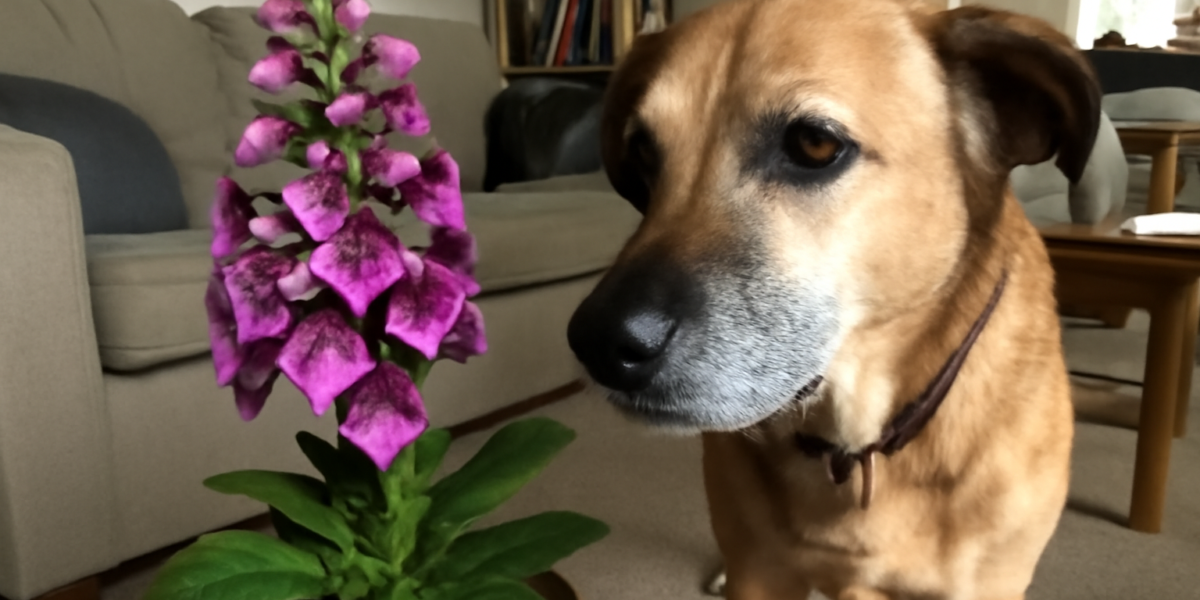
Few garden flowers are as strikingly beautiful — or as dangerously deceptive — as foxglove. With its tall spires of bell-shaped blooms in shades of purple, pink, white, and yellow, foxglove (Digitalis purpurea) is a cottage garden favorite that graces landscapes across the country. But beneath that storybook appearance lies a plant loaded with potent cardiac glycosides that can kill a dog.
Yes, foxglove is very toxic to dogs. It is not a case of mild stomach upset or passing discomfort — foxglove contains the same class of compounds used to manufacture the heart medication digitalis, and ingestion of any part of this plant can cause life-threatening cardiac arrhythmias. If you grow foxglove in your garden or encounter it on walks, this is a plant that demands your full attention and respect.
The Toxic Chemistry Behind Foxglove
Foxglove produces a cocktail of cardiac glycosides, the most significant being digitoxin, digoxin, and gitoxin. These compounds have been used in human medicine for centuries to treat heart conditions — in fact, the heart drug digoxin is derived directly from foxglove. But the difference between a therapeutic dose and a lethal dose is razor thin, and for a dog, there is no therapeutic use — only danger.
Cardiac glycosides work by inhibiting the sodium-potassium ATPase pump in heart muscle cells. This enzyme is essential for maintaining the normal electrical rhythm of the heart. When it is disrupted, the heart’s ability to contract in a coordinated fashion breaks down. The result can be dangerously slow heart rates, erratic rhythms, ventricular fibrillation, and ultimately cardiac arrest.
Every single part of the foxglove plant is toxic. The leaves contain the highest concentration of glycosides, particularly the upper leaves of the plant, but the flowers, stems, seeds, and roots are all dangerous. Even the water in a vase that held cut foxglove flowers can contain enough dissolved glycosides to poison a small dog who drinks from it.
The toxicity does not diminish when the plant is dried. Dried foxglove leaves, dead flower stalks left in the garden over winter, and even foxglove material mixed into compost all retain their toxic potential. The compounds are remarkably stable and persistent.
For dogs, the toxic dose is not precisely established because individual sensitivity varies, but even small amounts of foxglove can cause symptoms. A few chewed leaves could potentially be fatal for a small breed dog, and larger dogs are by no means immune to the effects. Any ingestion of foxglove should be treated as a serious medical emergency.
Recognizing Foxglove in Your Garden and Neighborhood
Being able to identify foxglove is an important part of keeping your dog safe. Foxglove is a biennial or short-lived perennial that typically grows 2 to 5 feet tall, though some varieties can reach 6 feet or more. In its first year, it produces a low rosette of large, fuzzy, gray-green leaves that can be mistaken for comfrey or mullein. In its second year, it sends up its characteristic tall flower spike.
The flowers are tubular or bell-shaped, typically 2 to 3 inches long, and hang downward along one side of the stalk. The most common wild form has purple flowers with distinctive spotted patterns inside the bells, but cultivated varieties come in pink, white, cream, yellow, apricot, and rose. Some modern cultivars have flowers arranged all around the stalk rather than just on one side.
Foxglove grows wild in many parts of North America, particularly in the Pacific Northwest, where it has naturalized extensively along roadsides, forest edges, and disturbed areas. It is also widely cultivated in home gardens throughout the United States, Canada, and Europe. You may encounter it in public parks, botanical gardens, and even in wildflower mixes sold at garden centers.
Common garden varieties include Digitalis purpurea (common foxglove), Digitalis grandiflora (yellow foxglove), Digitalis lutea (straw foxglove), and various hybrid cultivars like the popular ‘Camelot’ and ‘Excelsior’ series. All species and cultivars of Digitalis should be considered toxic to dogs.
If you are a cat owner, be aware that foxglove is equally toxic to cats, so this is a plant that poses a threat to all furry family members.
Symptoms of Foxglove Poisoning in Dogs
Symptoms of foxglove poisoning can appear within 30 minutes to several hours after ingestion, depending on the amount consumed and whether the dog’s stomach was empty or full. The progression of symptoms typically follows a recognizable pattern, though severe cases can deteriorate rapidly.
The earliest signs are usually gastrointestinal: nausea, drooling, vomiting, diarrhea, and loss of appetite. The vomit or stool may contain visible plant material, which can help with identification. Abdominal pain is common, and your dog may whine, pace, or adopt a hunched posture.
As the cardiac glycosides are absorbed into the bloodstream, more serious symptoms develop. These cardiac and neurological signs are the true danger of foxglove poisoning and include a dramatically slowed heart rate (bradycardia) that may be noticeable even to an untrained observer, irregular heartbeat that may cause the dog to seem dizzy or disoriented, weakness and lethargy progressing to collapse, dilated pupils, tremors or muscle twitching, and in severe cases, seizures.
One particularly insidious aspect of cardiac glycoside poisoning is that the heart rhythm disturbances can be complex and unpredictable. A dog might initially present with a slow heart rate and then suddenly shift into a dangerously fast, chaotic rhythm. This unpredictability makes foxglove poisoning especially challenging to manage and underscores why professional veterinary care is essential.
Another important warning sign is hyperkalemia — elevated potassium levels in the blood — which is a common and dangerous complication of cardiac glycoside poisoning. High potassium further destabilizes the heart rhythm and can push an already stressed cardiovascular system into failure. Your veterinarian will monitor electrolyte levels closely as part of the treatment process.
Emergency Response and First Aid
If you witness your dog eating foxglove or find evidence that they have done so, treat it as an emergency that requires immediate professional help. Do not wait to see if symptoms develop — by the time cardiac symptoms are visible, the poisoning may already be advanced.
Remove any remaining plant material from your dog’s mouth as safely as possible. Try to estimate how much was consumed and note the time. If you can, take a photo of the plant or bring a sample with you to the vet for identification.
Call your veterinarian, an emergency animal hospital, or the ASPCA Animal Poison Control Center at (888) 426-4435 immediately. Follow their instructions precisely. In most cases, they will advise you to bring your dog in for evaluation and treatment without delay.
Do not induce vomiting unless specifically instructed to do so by a veterinary professional. While early decontamination can be helpful, inducing vomiting in a dog with developing cardiac arrhythmias can be dangerous. Let the professionals make that call based on the specifics of your situation.
During transport, keep your dog as calm and still as possible. Stress and physical activity increase the heart’s oxygen demands and can worsen arrhythmias. Speak softly, drive smoothly, and get there as quickly as you safely can. For a comprehensive guide on handling these situations, read our article on pet poisoning emergencies.
Veterinary Treatment for Foxglove Poisoning
Treatment for foxglove poisoning is intensive and typically requires hospitalization. The good news is that when caught early and treated aggressively, many dogs can survive foxglove poisoning. The bad news is that treatment is complex, expensive, and not always successful.
The first priority is decontamination. If the dog arrives within a reasonable time window and is cardiovascularly stable, the veterinarian may induce vomiting to evacuate stomach contents. Activated charcoal is commonly administered afterward to bind any remaining glycosides in the gastrointestinal tract and reduce further absorption. Multiple doses of activated charcoal may be given over the course of treatment because cardiac glycosides undergo enterohepatic recirculation, meaning they cycle between the liver and intestines and can be reabsorbed multiple times.
Cardiac monitoring is the centerpiece of foxglove poisoning treatment. Your dog will be placed on continuous ECG monitoring to track heart rhythm in real time. Anti-arrhythmic medications such as atropine (for severe bradycardia) or lidocaine (for ventricular arrhythmias) may be administered based on the specific rhythm disturbances observed.
Intravenous fluids are standard to maintain blood pressure and support kidney function. Electrolyte levels, particularly potassium, are monitored and corrected as needed. In human medicine, a specific antidote called digoxin immune fab (brand name Digibind or DigiFab) is available for severe digitalis poisoning. This antidote has been used successfully in dogs as well, though it is expensive and not always immediately available at veterinary hospitals. If your dog’s case is severe, your veterinarian may attempt to source this antidote from a human hospital pharmacy.
Recovery from foxglove poisoning typically requires 24 to 72 hours of intensive monitoring and support. Dogs who survive the critical first 24 hours generally have a favorable prognosis, though some may experience lingering cardiac effects that resolve over days to weeks. Follow-up cardiac evaluation, possibly including echocardiography, may be recommended.
Prevention: Keeping Foxglove Away from Your Dog
The most effective way to prevent foxglove poisoning is simply to not grow it in spaces your dog can access. As gorgeous as foxglove is, no garden flower is worth risking your dog’s life. If you currently have foxglove in your garden and you have dogs, consider removing it and replacing it with safe alternatives.
When removing foxglove, wear gloves, as the plant toxins can be absorbed through skin in large quantities. Pull or dig up the entire plant including the roots, and dispose of it in sealed bags — not in a compost pile that pets or wildlife might access. If the foxglove has gone to seed, try to collect and dispose of the seed heads before they scatter, as foxglove self-seeds prolifically.
If you encounter foxglove on walks, in parks, or in neighbors’ gardens, keep your dog on a short leash and redirect their attention away from the plants. Puppies and young dogs are especially at risk because of their tendency to mouth and chew on novel objects, including plants.
Safer flowering alternatives that can provide similar visual impact include snapdragons, hollyhocks (generally considered non-toxic to dogs), lupines (note: seeds are toxic, but the plants are lower risk than foxglove), and delphinium (also toxic — see, it is tricky!). For truly dog-safe flowering options, consider zinnias, sunflowers, petunias, and marigolds. Our comprehensive guide to pet-safe garden plants can help you build a beautiful garden that will not put your pup at risk.
Also be cautious about wildflower seed mixes, many of which include foxglove as a component. Always read the seed list before scattering a wildflower mix in an area your dog uses. If foxglove is listed, either pick a different mix or plan to identify and remove foxglove seedlings as they appear.
Frequently Asked Questions
How much foxglove is lethal to a dog?
There is no precisely established lethal dose for dogs, because sensitivity varies with size, health, and individual factors. However, even a small amount of foxglove — a few chewed leaves or flowers — can cause serious cardiac symptoms in a small to medium-sized dog. Any ingestion should be treated as potentially life-threatening, regardless of the amount. Do not try to assess whether “enough” was eaten to be dangerous — get veterinary help immediately.
Can dogs be poisoned by foxglove without eating it?
Direct ingestion is the primary route of poisoning, but there are other exposure risks. Dogs can be exposed to foxglove toxins by drinking water from a vase containing cut foxglove flowers, chewing on gardening gloves that were used to handle foxglove, or rolling in or mouthing foxglove clippings during yard cleanup. While skin absorption of cardiac glycosides is less efficient than oral ingestion, it is best to minimize all contact between dogs and foxglove.
Is there an antidote for foxglove poisoning in dogs?
Yes, a specific antidote called digoxin immune fab (marketed as Digibind or DigiFab in human medicine) exists and has been used successfully in dogs. It works by binding to the cardiac glycosides and neutralizing them. However, this antidote is primarily stocked in human hospitals and may not be readily available at veterinary clinics. It is also expensive. Your veterinarian can attempt to obtain it for severe cases. In the absence of the antidote, aggressive supportive care with cardiac monitoring and anti-arrhythmic drugs is the standard treatment approach.
My dog vomited after chewing foxglove. Is that a good sign?
Vomiting can actually be helpful because it removes some of the plant material from the stomach before the toxins are fully absorbed. However, vomiting alone does not mean your dog is out of danger. Cardiac glycosides can be absorbed very quickly, and enough toxin to cause serious cardiac problems may already be in the bloodstream even after vomiting. You still need to seek immediate veterinary care. Consider the vomiting a small piece of good luck, not an all-clear signal.
Are foxglove plants safe if my dog just sniffs them?
Simply sniffing a foxglove plant is very unlikely to cause poisoning. The toxins need to be ingested in meaningful quantities to cause harm. However, dogs who start by sniffing often progress to licking or chewing, especially puppies. If your dog is showing interest in foxglove, redirect them and move away from the plant. The safest policy is to prevent any interaction between your dog and foxglove plants.


