
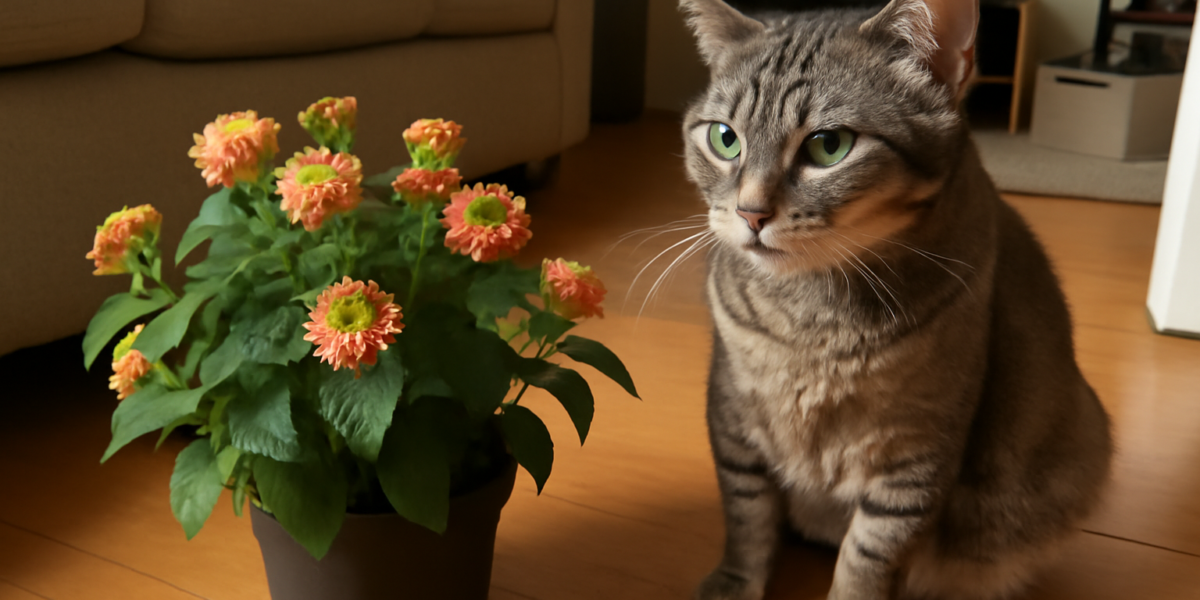
Is Lantana Toxic to Cats?
Yes, lantana (Lantana camara) is toxic to cats. This colorful, drought-tolerant shrub contains pentacyclic triterpenoids, primarily lantadene A and lantadene B, which are concentrated in the leaves and unripe berries. Lantana poisoning can cause serious liver damage in cats, making it a more dangerous garden plant than many pet owners realize. If your cat has ingested any part of a lantana plant, prompt veterinary attention is important.
In this article
Lantana is widely grown in warm climates across the southern United States and is popular for its clusters of vibrant multi-colored flowers that attract butterflies. It thrives in heat, tolerates drought, and blooms prolifically, which makes it a landscaping favorite. Unfortunately, these same qualities mean it is extremely common in yards, parks, and roadsides where outdoor cats roam.
The unripe green berries are the most toxic part of the plant, followed by the leaves. Ripe, dark-purple or black berries are considered less toxic, though they are still not safe. All parts of the plant should be considered harmful to cats.
Toxic Compounds in Lantana and Their Effects
The primary toxins in lantana are pentacyclic triterpenoids, a group of complex plant chemicals that target the liver specifically. Understanding how these compounds work explains why lantana poisoning can be more serious than many other plant ingestions.
Lantadene A and lantadene B are the most significant triterpenoids in the plant. When ingested, they are absorbed through the gastrointestinal tract and transported to the liver, where they interfere with bile excretion. This causes bile acids to back up within the liver cells, leading to cholestasis (bile flow obstruction) and progressive liver cell damage.
The liver damage from lantadene compounds is not always immediately apparent. Initial symptoms may be gastrointestinal, but over the next 24 to 72 hours, liver dysfunction can develop and worsen. This delayed progression makes lantana poisoning deceptive. A cat that seems to be recovering from initial vomiting may actually be developing serious internal damage.
Additionally, lantana contains smaller amounts of other compounds that contribute to toxicity, including icterogenin and reduced lantadene A. Together, these compounds create a hepatotoxic cocktail that can overwhelm the liver, especially in small animals like cats.
The concentration of toxins varies by plant part, maturity, and growing conditions. Plants in full sun with ample water tend to have higher toxin levels in their leaves. Unripe green berries have the highest triterpenoid content, while fully ripe dark berries have lower but still concerning levels.
Symptoms of Lantana Poisoning in Cats
Symptoms of lantana ingestion can develop in stages, with gastrointestinal signs appearing first and liver-related symptoms following over the next one to three days.
Early symptoms (first 2 to 12 hours):
- Vomiting
- Diarrhea
- Drooling and loss of appetite
- Abdominal pain and tenderness
- Lethargy
Intermediate symptoms (12 to 48 hours):
- Jaundice (yellowing of the gums, whites of the eyes, and inner ears)
- Dark or orange-colored urine
- Increased thirst and urination
- Worsening lethargy and weakness
- Photosensitivity (skin reactions to sunlight, especially on lightly pigmented areas)
Severe symptoms (48+ hours without treatment):
- Liver failure signs: fluid buildup in the abdomen, bleeding disorders, confusion
- Kidney dysfunction
- Severe dehydration
- Collapse
The photosensitivity reaction deserves special mention. As liver damage impairs the body’s ability to process phylloerythrin (a chlorophyll breakdown product), this compound accumulates in the skin. When exposed to sunlight, it causes inflammation and damage to unpigmented skin areas. Cats with white or light-colored fur and skin are particularly affected.
Severity Rating
Lantana toxicity in cats is rated moderate to severe. The potential for liver damage distinguishes lantana from many other mildly toxic garden plants. While small nibbles on leaves may cause only GI upset, significant leaf or berry ingestion can lead to serious hepatic injury. The delayed onset of liver symptoms means early veterinary intervention is critical for the best outcome.
What to Do If Your Cat Eats Lantana
Because lantana can cause liver damage that develops over days, do not take a wait-and-see approach. Act promptly even if your cat seems fine initially.
- Remove your cat from the plant. Bring your cat indoors immediately and prevent any further access to the lantana.
- Identify what was eaten. Did your cat eat berries (green, ripe, or both), leaves, flowers, or stems? Estimate the quantity. Take a photo of the plant and any visible bite marks on the foliage. This information helps your vet assess the poisoning risk.
- Call your veterinarian immediately. Do not wait for symptoms to appear. Because liver damage can develop silently over 24 to 72 hours, early intervention gives your cat the best chance. Call your vet or the ASPCA Animal Poison Control Center at (888) 426-4435.
- Do not induce vomiting unless instructed. Your vet may recommend decontamination measures, but this should be done under veterinary guidance only.
- Prepare for hospitalization. Depending on the estimated amount ingested and your cat’s size, your vet may recommend hospitalization for IV fluids, liver-protective medications, and serial blood work to monitor liver enzyme levels over the next 48 to 72 hours.
Treatment typically includes aggressive IV fluid therapy to support the liver and kidneys, hepatoprotective agents (like S-adenosylmethionine or milk thistle extract), anti-nausea medication, GI protectants, and pain management. Blood work is repeated at 24 and 48 hours to track liver enzyme trends. If jaundice develops, treatment intensifies with additional supportive measures.
The prognosis for lantana poisoning depends heavily on the amount ingested and the speed of treatment. Cats treated early, before liver enzyme elevations become severe, generally recover well. Cases with established jaundice or liver failure carry a more guarded prognosis.
Keeping Cats Safe from Lantana
Given lantana’s prevalence in warm-climate landscaping, prevention requires active effort.
Remove lantana from your property. If you have cats, especially outdoor cats, removing lantana is the safest option. Dig up the root system thoroughly, as lantana can regrow from roots left in the ground. Wear gloves when handling the plant, as the sap can cause skin irritation in some people.
Replace with cat-safe alternatives. For a similarly colorful, heat-tolerant garden, consider planting zinnias, marigolds, pentas, or salvias. These plants offer bright flowers and butterfly appeal without the toxicity risk.
If removal is not possible, restrict access. In some areas, lantana grows wild along roadsides and in vacant lots, making complete avoidance impossible. Keep your cat indoors or in an enclosed outdoor space (catio) to prevent contact with wild-growing lantana.
Be aware of lantana in public spaces. Lantana is commonly used in park landscaping, median strips, and commercial properties in southern states. If you walk your cat on a leash, steer clear of lantana plantings.
Watch for fallen berries. Even if you do not grow lantana yourself, berries can be carried into your yard by birds. Regularly inspect your outdoor areas for unfamiliar berries and remove them.
For additional information on plant hazards, check our articles on clematis and cat safety and honeysuckle risks for cats. Creating a safe environment is one of the best things you can do when adopting a new cat.
Lantana in Different Climates and Settings
Your risk level depends partly on where you live and how lantana grows in your area.
Southern US and tropical regions: Lantana grows year-round as a perennial shrub and can become quite large (up to six feet tall). It produces berries prolifically and may be found in residential yards, parks, and wild areas. The risk to outdoor cats is highest in these regions.
Northern US and temperate regions: Lantana is grown as an annual or in containers and dies back with frost. The risk window is shorter (late spring through fall), but container-grown lantana on patios or porches can still be accessible to cats. Potted lantana brought indoors for winter is a particular concern.
Indoor exposure: Lantana is sometimes grown as a houseplant in cooler climates. An indoor lantana plant places the toxic foliage and potential berries directly in your cat’s living space. If you have cats, do not grow lantana indoors.
Wild and invasive lantana: In some regions, lantana is classified as an invasive weed. It colonizes disturbed ground, roadsides, and pastures. Outdoor cats in these areas face chronic exposure risk that is difficult to control except through indoor-only housing or enclosed outdoor spaces.
Frequently Asked Questions
Are lantana flowers toxic, or just the berries and leaves?
The flowers contain lower concentrations of triterpenoids than the leaves and unripe berries but are still not safe for cats. A cat that ate a few flower clusters would likely experience mild GI upset. The leaves and especially the unripe green berries are the most dangerous parts. Do not assume any part of the lantana plant is safe for your cat.
How many lantana berries would be dangerous for a cat?
There is no established safe threshold. Even a small number of unripe green berries could cause significant toxicity in a cat due to the high triterpenoid concentration and a cat’s small body size. Any berry ingestion warrants an immediate call to your veterinarian. Do not wait to count berries or gauge the amount before seeking help.
Can lantana poisoning be reversed?
There is no specific antidote for lantadene toxins. Treatment is supportive, focusing on protecting the liver and managing symptoms while the body clears the toxins. Early treatment before significant liver damage occurs offers the best outcomes. If liver failure has set in, recovery becomes much more difficult. This is why early veterinary contact is so important.
Is lantana equally toxic to dogs?
Yes, lantana is toxic to dogs as well, though most documented cases of severe lantana poisoning involve cattle, horses, and sheep. Dogs and cats are both susceptible to the hepatotoxic effects. For dog-specific information, see our guide on lantana toxicity in dogs.
Does cooking or drying lantana reduce its toxicity?
Dried lantana retains significant toxicity. The triterpenoid compounds are stable and do not break down easily with drying. Cooking is irrelevant as no one should be preparing lantana for any animal’s consumption. Composted lantana should be kept away from areas where cats can dig, as the decomposition process does not fully eliminate the toxic compounds.


