
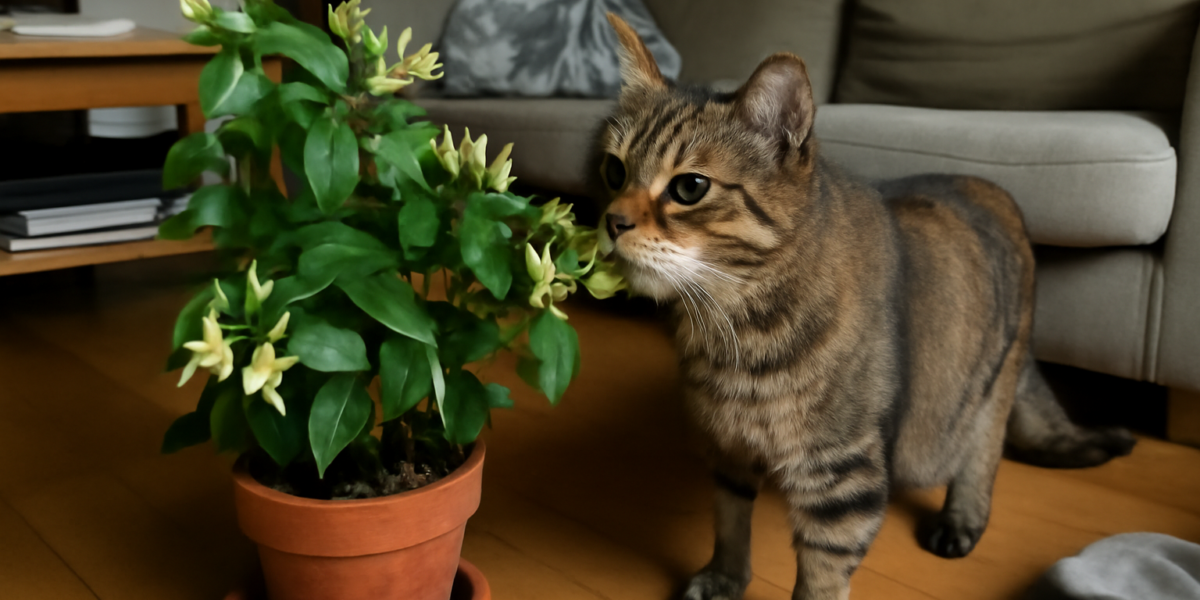
Is Honeysuckle Toxic to Cats?
If you have honeysuckle growing in your yard or along your fence, you may be wondering whether honeysuckle is toxic to cats. The answer depends on the species and the part of the plant your cat encounters. Most varieties of honeysuckle (Lonicera spp.) are considered mildly to moderately toxic to cats, with the berries posing the greatest danger. The leaves and flowers carry a lower risk but can still cause gastrointestinal upset if ingested in significant quantities.
In this article
- Is Honeysuckle Toxic to Cats?
- Which Parts of Honeysuckle Are Dangerous to Cats?
- Symptoms of Honeysuckle Poisoning in Cats
- What to Do If Your Cat Eats Honeysuckle
- Honeysuckle Species and Their Toxicity Levels
- Keeping Your Cat Safe Around Honeysuckle
- Honeysuckle Cat Toys: Are They Safe?
- Frequently Asked Questions
Interestingly, honeysuckle wood is marketed as a cat attractant and is found in many cat toys. Tartarian honeysuckle (Lonicera tatarica) wood shavings produce a euphoric response in some cats similar to catnip. However, the berries and leaves of living honeysuckle plants are a different story altogether and should be kept away from curious felines.
The toxic compounds in honeysuckle include saponins and cyanogenic glycosides, which are concentrated primarily in the berries. When a cat chews or swallows these berries, these substances can irritate the mouth, stomach, and intestines and, in larger amounts, cause more serious systemic effects.
Which Parts of Honeysuckle Are Dangerous to Cats?
Not all parts of the honeysuckle plant carry the same risk. Understanding the difference can help you assess how urgently you need to act if your cat has been nibbling on the vine.
Berries: The berries are the most toxic part of the honeysuckle plant. They contain the highest concentration of saponins and, depending on the species, cyanogenic glycosides. Even a small handful of berries can cause vomiting, diarrhea, and abdominal pain in cats. Some species produce bright red or orange berries that are especially attractive to curious pets.
Leaves: The leaves contain lower levels of toxic compounds but can still irritate your cat’s gastrointestinal tract. Cats that chew on honeysuckle leaves may drool excessively or experience mild nausea. Large amounts could lead to vomiting.
Flowers: The tubular flowers are generally the least toxic part. Many people remember sipping nectar from honeysuckle flowers as children, and while small amounts of nectar are unlikely to harm a cat, the flowers themselves can cause mild stomach upset if eaten.
Vines and stems: The woody parts of the vine contain minimal toxins. As mentioned, dried Tartarian honeysuckle wood is even used in commercial cat toys. Fresh stems and bark are not considered a significant poisoning risk, though chewing on tough vines could cause mechanical injury to your cat’s mouth or throat.
Symptoms of Honeysuckle Poisoning in Cats
If your cat has eaten part of a honeysuckle plant, particularly the berries, watch for these clinical signs. Symptoms typically appear within a few hours of ingestion.
- Excessive drooling — One of the earliest signs, caused by irritation to the mouth and throat
- Vomiting — The body’s attempt to expel the irritating compounds
- Diarrhea — May be watery and can develop several hours after ingestion
- Loss of appetite — Your cat may refuse food for 12 to 24 hours
- Abdominal pain — You may notice your cat hunching, hiding, or resisting being touched on the belly
- Lethargy — Reduced energy and increased sleeping
In more severe cases, especially when a cat has consumed a large number of berries, you might observe rapid breathing, an elevated heart rate, or dilated pupils. These symptoms suggest the toxic compounds are affecting your cat’s cardiovascular and nervous systems and warrant immediate veterinary attention.
Kittens, senior cats, and cats with pre-existing health conditions are at higher risk of severe reactions. Their smaller body size or compromised systems mean even a modest amount of honeysuckle berry material can produce pronounced symptoms.
Severity Rating
Honeysuckle poisoning in cats is generally classified as mild to moderate. Most cats that nibble on leaves or flowers will experience only minor gastrointestinal upset that resolves on its own within 24 hours. Berry ingestion bumps the severity up because of the higher toxin concentration. Fatal outcomes are rare but not impossible if a large quantity of berries is consumed and the cat does not receive treatment.
What to Do If Your Cat Eats Honeysuckle
Speed matters when you suspect your cat has ingested honeysuckle, especially the berries. Here is a step-by-step plan to follow.
- Remove your cat from the area. Bring your cat indoors or away from the honeysuckle plant to prevent further ingestion. If there are berry remnants or leaf fragments in your cat’s mouth, gently remove what you can.
- Identify what was eaten. Try to determine which part of the plant your cat consumed and roughly how much. Take a photo of the plant and any chewed remains. This information helps your vet assess the risk level quickly.
- Call your veterinarian or a pet poison hotline. Contact your vet’s office right away. If it is after hours, call the ASPCA Animal Poison Control Center at (888) 426-4435 or the Pet Poison Helpline at (855) 764-7661. Be prepared to share your cat’s weight, age, and what they ate.
- Do not induce vomiting unless directed to do so. Inducing vomiting in cats can be dangerous and should only be done under veterinary guidance. Some methods commonly suggested online can cause serious harm.
- Monitor symptoms closely. Keep a written log of any symptoms you observe, including the time they started and how they progress. This timeline is invaluable for your veterinarian.
- Follow your vet’s instructions. Your vet may recommend bringing your cat in for examination, administering activated charcoal, or providing supportive care at home depending on the amount ingested and the severity of symptoms.
If your cat ate only a small piece of leaf or flower and is acting normally, your vet may advise monitoring at home. But any berry ingestion, especially in a kitten or small cat, typically warrants a vet visit. Trust your instincts as a pet parent. When in doubt, call your vet.
Honeysuckle Species and Their Toxicity Levels
There are roughly 180 species in the Lonicera genus, and they vary in toxicity. Knowing which type grows in your garden helps you gauge the risk to your cat.
Japanese honeysuckle (Lonicera japonica): This invasive vine is one of the most common honeysuckle species in North America. It produces black berries that contain saponins. It is considered mildly to moderately toxic to cats. The vine grows aggressively and can quickly take over fences and trellises, making it easy for outdoor cats to encounter.
Trumpet honeysuckle (Lonicera sempervirens): Native to the eastern United States, trumpet honeysuckle produces bright red berries. It is mildly toxic, and the berries are the primary concern. The tubular red flowers attract hummingbirds and are less appealing to cats than the berries.
Tartarian honeysuckle (Lonicera tatarica): This shrub-type honeysuckle produces red berries and is moderately toxic. Ironically, its dried wood is the same material used in popular honeysuckle cat toys. The dried wood is safe because the volatile oils that attract cats are different from the saponins found in the berries and leaves.
European fly honeysuckle (Lonicera xylosteum): Produces red berries that are moderately toxic. Cases of poisoning in children and animals have been documented in Europe, though serious outcomes are uncommon.
Regardless of species, the safest approach is to prevent your cat from accessing any honeysuckle berries. If you grow honeysuckle and have outdoor cats, consider pruning the plant before it fruits or replacing it with a cat-safer alternative.
Keeping Your Cat Safe Around Honeysuckle
Prevention is always better than treatment. Here are practical steps to reduce your cat’s risk around honeysuckle plants.
Prune before fruiting. Honeysuckle berries are the biggest hazard. If you love the vine for its fragrant flowers, you can enjoy the blooms and then prune aggressively before berries develop. Most honeysuckle species fruit in late summer through fall.
Create barriers. If removing the plant is not an option, fence off the area where honeysuckle grows. Even a short garden fence can deter many cats, especially when combined with a deterrent spray.
Supervise outdoor time. If your cat goes outside, supervised sessions reduce the chance of plant ingestion significantly. A catio or enclosed outdoor space gives your cat fresh air without free access to potentially harmful plants.
Provide safe alternatives. Cats that are drawn to plants often benefit from having their own cat grass (wheatgrass or oat grass) indoors. This satisfies the urge to chew on greenery without the toxicity risk.
Know your garden. Walk your property and identify every plant your cat might encounter. The ASPCA maintains a comprehensive database of toxic and non-toxic plants that can help you audit your yard. If you are planning a garden and have cats, check out our guides on hyacinths and cat safety and crocus toxicity before choosing what to plant.
If you are considering adopting a cat, it is a good idea to do a plant safety audit of your home and yard beforehand. Removing or relocating toxic plants before your new cat arrives is one of the most important steps in preparing your home.
Honeysuckle Cat Toys: Are They Safe?
You might find it confusing that honeysuckle berries are toxic but honeysuckle cat toys are sold everywhere. The key difference is that commercial honeysuckle toys use dried wood from Tartarian honeysuckle, not the berries, leaves, or fresh plant material.
The dried wood contains a compound called nepetalactone (the same chemical found in catnip) along with other volatile oils that many cats find irresistible. Roughly 50 to 80 percent of cats respond to honeysuckle wood, and some cats that are indifferent to catnip will go wild for honeysuckle.
These toys are generally considered safe when used as directed. The wood is dried, cut, and sealed inside fabric toys. However, if the toy breaks open and your cat starts chewing and swallowing wood splinters, remove it. The choking hazard from splintered wood is a mechanical concern, not a toxicity one, but it still matters.
When shopping for honeysuckle toys, choose products from reputable pet brands. Look for toys where the wood shavings are securely enclosed. Replace toys once they show signs of wear and the stuffing becomes accessible.
Frequently Asked Questions
Can the smell of honeysuckle flowers harm my cat?
No. The fragrance of honeysuckle flowers is not toxic to cats. The risk comes from ingesting plant material, particularly the berries. Your cat can safely be around the scent of blooming honeysuckle without any health concerns.
My cat licked honeysuckle nectar. Should I worry?
A tiny amount of nectar is unlikely to cause problems. Honeysuckle nectar in very small quantities is not considered dangerous. However, if your cat chewed on the flower to access the nectar and swallowed petal or leaf material, monitor for mild gastrointestinal symptoms like drooling or decreased appetite over the next 12 hours.
Are honeysuckle cat toys the same as the toxic plant?
Honeysuckle cat toys are made from the dried wood of Tartarian honeysuckle. The dried wood does not contain the saponins or cyanogenic glycosides found in the berries and leaves. These toys are safe for cats when intact. The concern with living honeysuckle plants is specifically about the berries and, to a lesser extent, the leaves.
How many honeysuckle berries would be dangerous for a cat?
There is no established minimum toxic dose for honeysuckle berries in cats, which is why any berry ingestion warrants a call to your vet. A few berries may cause only mild stomach upset, but kittens or small cats could experience more serious effects from even a small amount. It is always safer to seek veterinary advice rather than wait and see.
Is honeysuckle toxic to dogs too?
Yes, honeysuckle berries and leaves are also toxic to dogs. The symptoms are similar, including vomiting, diarrhea, and lethargy. If you have both cats and dogs, you can learn more in our guide on honeysuckle toxicity in dogs.


