
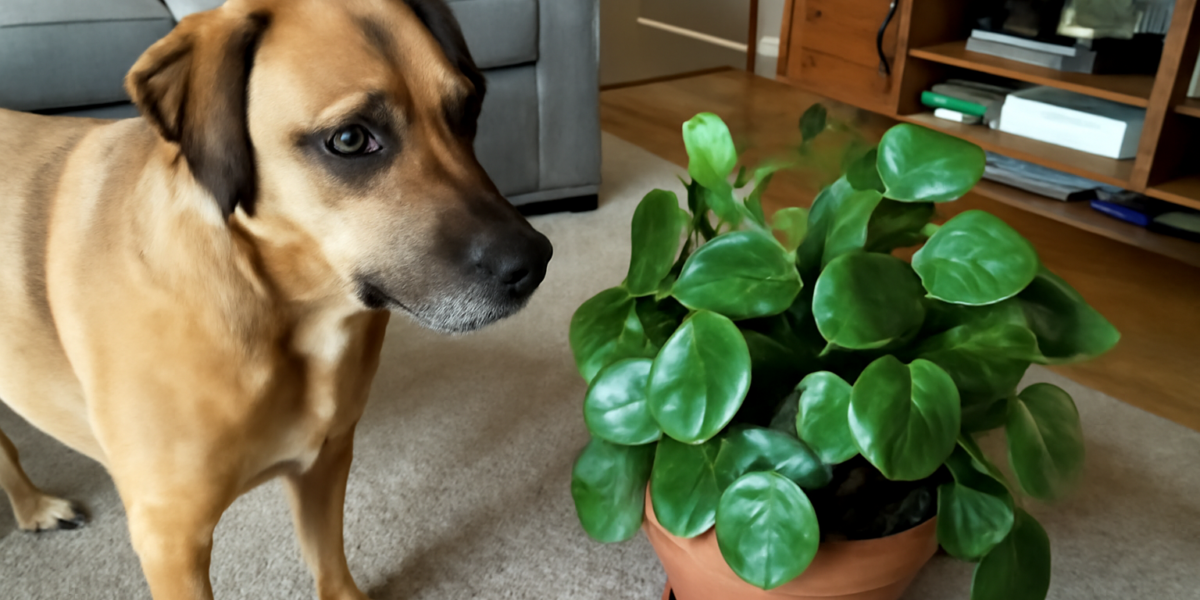
Are Peperomia Plants Toxic to Dogs?
Peperomia plants are not toxic to dogs. The ASPCA confirms that the entire Peperomia genus is non-toxic to dogs, cats, and horses. If your dog chews on a peperomia leaf or stem, there is no risk of poisoning from the plant itself. This makes peperomia one of the best houseplant choices for dog owners who want to keep greenery in their homes without worry.
In this article
With over 1,500 species and countless cultivars, peperomia offers incredible variety in leaf shape, color, and growth habit. From the thick, rounded leaves of Peperomia obtusifolia (baby rubber plant) to the textured, heart-shaped foliage of Peperomia caperata, there is a peperomia for every taste and space.
While peperomia is safe in terms of toxicity, it is still worth understanding what might happen if your dog takes a bite and how to discourage the behavior. Plant material is not a natural part of a dog’s diet, and even non-toxic plants can cause mild digestive discomfort if consumed in quantity.
Why Peperomia Is Safe for Dogs
Peperomia belongs to the Piperaceae (pepper) family and does not contain the toxic compounds found in many common houseplants. There are no calcium oxalate crystals, cardiac glycosides, alkaloids, or saponins in peperomia tissue. The sap is mild and does not cause the burning, swelling, or dermatitis associated with plants in the Araceae family like philodendrons or dieffenbachia.
Veterinary toxicology databases consistently list peperomia as safe. The plant has a long history of coexisting with pets in indoor environments without reported incidents of toxicity. This safety record, combined with the plant’s easy care requirements, is one reason peperomia has become a go-to recommendation for pet-friendly households.
It is worth noting that the common name “baby rubber plant” for Peperomia obtusifolia can cause confusion. The true rubber plant (Ficus elastica) is mildly toxic to dogs and cats. If you are buying a plant labeled “rubber plant,” verify the botanical name to ensure you are getting a peperomia and not a ficus.
What Happens If Your Dog Eats Peperomia
Even though peperomia is non-toxic, your dog may experience minor digestive upset if they eat a significant amount of plant material. Dogs are not designed to digest large quantities of plant fiber, and their stomachs may react to the unfamiliar material.
Possible symptoms after eating peperomia include:
- Mild nausea or drooling
- A single episode of vomiting as the body expels the plant material
- Soft stools or mild diarrhea
- Temporary decrease in appetite
These symptoms are typically brief and resolve without treatment. Offer your dog fresh water and monitor them for a few hours. If symptoms are mild and improving, no veterinary visit is necessary.
The bigger concern is usually the soil and any products used on the plant. Fertilizers, insecticides, and certain soil amendments can be harmful if ingested. If your dog digs in the pot and eats soil along with the plant, the additives in the soil may cause more trouble than the peperomia itself.
Popular Peperomia Varieties for Dog-Friendly Homes
One of the joys of collecting peperomia is the sheer diversity available. All varieties within the genus are safe for dogs, so you can choose based entirely on aesthetics and care preferences. Here are some favorites:
Peperomia obtusifolia (Baby Rubber Plant): Thick, glossy, spoon-shaped leaves in dark green or variegated patterns. One of the most common and easiest to grow. Tolerates a range of light conditions and infrequent watering.
Peperomia caperata (Ripple Peperomia): Deeply textured, heart-shaped leaves that come in green, red, silver, and purple. Compact growth makes it ideal for desks and small shelves.
Peperomia argyreia (Watermelon Peperomia): Named for its stunning silver and green striped leaves that resemble watermelon rinds. A conversation starter that stays compact and manageable.
Peperomia polybotrya (Raindrop Peperomia): Large, glossy, teardrop-shaped leaves on upright stems. Often confused with the Chinese money plant but easier to care for.
Peperomia prostrata (String of Turtles): A trailing variety with tiny, round leaves patterned like turtle shells. Perfect for hanging planters and high shelves.
Keeping Your Peperomia Intact Around Dogs
While your dog will not be harmed by peperomia, the plant may not survive your dog’s attention. Puppies especially are prone to chewing, digging, and knocking over pots. Here are practical tips for protecting your plants:
- Elevate your plants. Place peperomia on shelves, plant stands, or wall-mounted planters that are beyond your dog’s reach.
- Use heavy pots. A sturdy ceramic pot is less likely to tip over if your dog bumps into it than a lightweight plastic one.
- Cover the soil. A layer of decorative stones or a mesh cover over the soil surface discourages digging.
- Train “leave it.” A reliable “leave it” command protects your plants and many other household items.
- Provide appropriate chew toys. A dog with plenty of appropriate outlets for chewing is less likely to target your houseplants.
If your dog seems particularly fixated on your peperomia, they may be bored or seeking attention. Increasing daily exercise, mental stimulation, and interactive play often reduces plant-chewing behavior. Check out our guide on how often to walk your dog for exercise recommendations by breed and age.
Peperomia vs. Commonly Confused Toxic Plants
Some plants that resemble peperomia are not pet-safe. Knowing the differences can prevent accidental exposure:
Rubber Plant (Ficus elastica): Often confused with Peperomia obtusifolia due to the “baby rubber plant” nickname. True rubber plants are mildly toxic to dogs and cats, causing oral irritation and gastrointestinal upset. Check the botanical name before purchasing.
Jade Plant (Crassula ovata): Has similar thick, fleshy leaves but is toxic to dogs and cats. Ingestion causes vomiting, depression, and incoordination.
Philodendron: Some compact philodendron varieties can be mistaken for peperomia at a glance. Philodendrons contain calcium oxalate crystals and are toxic to dogs. Always verify the species.
When shopping for plants, always check the botanical name on the label and cross-reference it with the ASPCA’s toxic plant database. If you are buying from a market or unlabeled source, take a photo and identify the plant before bringing it into your dog’s environment. For more on plant safety, explore our guide on prayer plants and dogs.
When to Call Your Veterinarian
A dog who nibbles on peperomia generally does not need veterinary attention. However, you should contact your vet if:
- Your dog vomits multiple times or has diarrhea lasting more than 24 hours.
- You are not certain the plant was actually a peperomia. If there is any doubt, treat it as a potential toxic exposure.
- Your dog ingested a significant amount of potting soil, fertilizer, or insecticide along with the plant.
- Your dog shows unusual lethargy, loss of appetite, or other symptoms that do not resolve quickly.
- Your dog is a puppy, senior, or has pre-existing health conditions that might complicate even mild digestive upset.
If you need to call your vet or the ASPCA Animal Poison Control Center (888-426-4435), having the botanical name and a photo of the plant will help them assess the situation quickly. For more pet safety tips, visit our dog care blog.
Frequently Asked Questions
Are all peperomia varieties safe for dogs?
Yes. The entire Peperomia genus is listed as non-toxic by the ASPCA. This includes all commonly sold varieties such as watermelon peperomia, ripple peperomia, baby rubber plant, string of turtles, and raindrop peperomia.
Is peperomia safe for cats too?
Yes. Peperomia is non-toxic to both dogs and cats, making it an excellent choice for households with multiple types of pets.
Why does my dog eat my peperomia plant?
Dogs chew on plants for various reasons including boredom, curiosity (especially puppies), nutritional seeking behavior, or simply because they enjoy the texture. Increasing exercise, providing chew toys, and using the “leave it” command can redirect this behavior.
Can peperomia soil make my dog sick?
Potting soil itself is generally low-risk, but it may contain fertilizers, perlite, or pest control products that can cause gastrointestinal upset if ingested in significant quantities. Cover the soil surface with stones or mesh to deter digging.
What is the easiest peperomia to grow for beginners?
Peperomia obtusifolia (baby rubber plant) is widely considered the easiest variety. It tolerates low to bright indirect light, needs infrequent watering, and bounces back from neglect. It is also one of the most readily available varieties at garden centers and grocery stores.


