
Last updated: April 10, 2026
In this article
Is Dieffenbachia Toxic to Dogs?
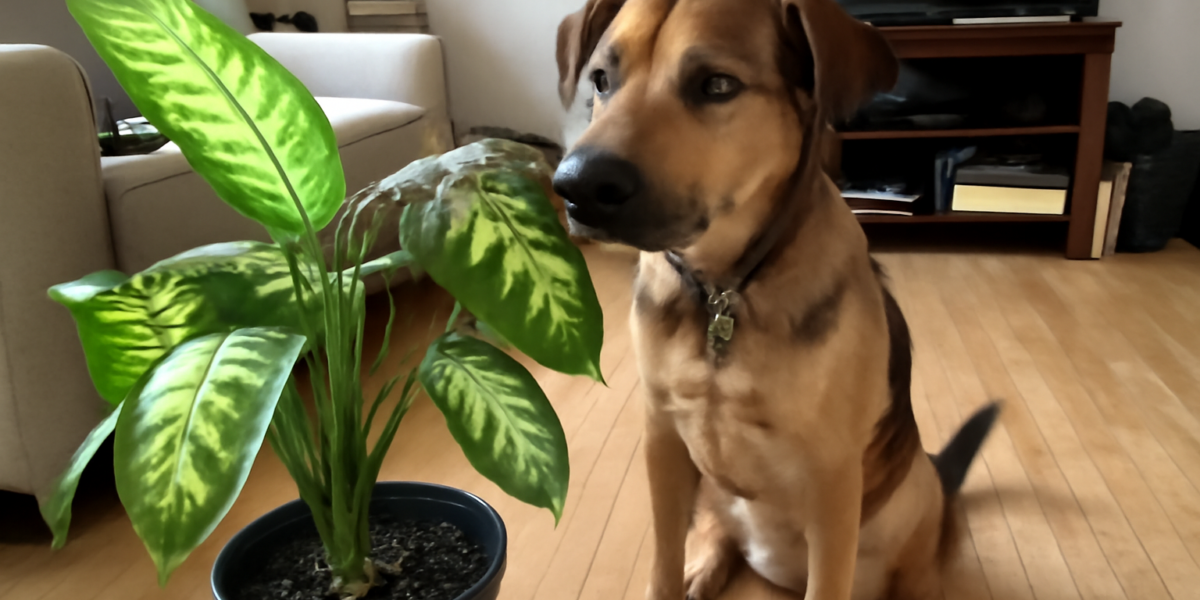
Yes, dieffenbachia is toxic to dogs. Commonly known as dumb cane, this popular tropical houseplant contains insoluble calcium oxalate crystals that cause immediate and intense pain when a dog chews on any part of the plant. The toxicity level is moderate to severe, and the effects can be quite distressing for both the dog and the owner. All parts of the dieffenbachia plant, including the leaves, stems, and roots, are toxic.
The common name “dumb cane” comes from the plant’s ability to cause temporary speechlessness in humans who chew on it due to the intense swelling and pain in the mouth and throat. Dogs experience a similar reaction, with rapid swelling of the oral tissues that can make eating, drinking, and even breathing difficult in severe cases.
Dieffenbachia is one of the most widely sold tropical houseplants, found in homes, offices, and shopping centers worldwide. Its attractive variegated leaves and easy care requirements make it popular, but dog owners should be aware of the serious risks it poses.
How Dieffenbachia Harms Dogs
Dieffenbachia contains bundles of needle-shaped calcium oxalate crystals called raphides, stored in specialized cells throughout the plant. When a dog bites into a leaf or stem, these cells burst open and fire the microscopic crystals into the soft tissues of the mouth like tiny needles.
The crystals physically penetrate the mucous membranes of the lips, tongue, gums, and throat. This mechanical injury triggers an immediate inflammatory response, causing rapid swelling, redness, and intense pain. The plant also releases proteolytic enzymes that worsen the irritation and increase tissue damage.
Some species of dieffenbachia also contain asparagine, a protein that can provoke a histamine release similar to an allergic reaction. This additional immune response can amplify the swelling and contribute to the severity of symptoms.
The combination of physical crystal penetration, enzyme damage, and immune-mediated swelling makes dieffenbachia one of the more painful plant exposures a dog can experience. The good news is that the immediate, intense pain usually prevents dogs from swallowing large amounts of the plant.
Symptoms of Dieffenbachia Poisoning
Symptoms of dieffenbachia ingestion appear almost immediately, usually within seconds of chewing on the plant. The rapid onset is characteristic of calcium oxalate crystal exposure and distinguishes it from toxins that take hours to manifest.
Expect to see these symptoms:
- Intense pain and burning in the mouth
- Excessive drooling, sometimes with blood-tinged saliva
- Pawing at the mouth and face
- Visible swelling of the tongue, lips, and gums
- Whimpering or vocalizing in pain
- Difficulty swallowing
- Refusal to eat or drink
- Vomiting
In more severe cases, swelling can extend to the throat and upper airway, potentially compromising breathing. Signs of airway involvement include audible breathing sounds, wheezing, coughing, and visible distress. This is a genuine emergency requiring immediate veterinary attention.
Eye exposure can occur if sap gets on the dog’s paws and they rub their face. This can cause intense pain, redness, swelling of the eyelids, and corneal damage. Eye involvement always warrants veterinary evaluation.
First Aid Steps for Dieffenbachia Ingestion
Remove your dog from the plant immediately and prevent any further exposure. Check their mouth carefully and remove any visible plant fragments with a damp cloth, but be gentle as the mouth tissues will be very sensitive and painful.
Rinse your dog’s mouth with cool water. You can use a gentle stream from a cup or a syringe (without a needle) to flush water through the mouth. This helps remove loose crystals and provides some relief from the burning sensation.
Offering cool water, ice chips, or small amounts of plain yogurt or milk may help soothe the irritation. The dairy proteins can bind to some of the calcium oxalate crystals. However, do not force your dog to eat or drink if they are refusing due to pain.
Do not induce vomiting. The plant material has already caused significant damage to the mouth and throat, and vomiting would force it back through these injured tissues. Contact your veterinarian right away for guidance on next steps based on the severity of your dog’s symptoms.
When Dieffenbachia Exposure Becomes an Emergency
Any significant dieffenbachia exposure warrants at least a phone call to your veterinarian. However, certain signs indicate you should head to an emergency veterinary clinic immediately.
Seek emergency care if your dog shows:
- Difficulty breathing or noisy breathing
- Severe swelling of the tongue or throat
- Inability to swallow
- Extreme distress or panic
- Swelling that is visibly increasing
- Eye contact with plant sap
Your veterinarian will provide supportive care that may include pain medication, anti-inflammatory drugs, and antihistamines to reduce swelling. IV fluids may be necessary if your dog cannot drink due to oral pain. In severe cases involving airway compromise, corticosteroids and oxygen support may be needed.
Most dogs recover from dieffenbachia exposure within 24-48 hours, though mouth soreness may persist for several days. During recovery, offer soft, room-temperature or slightly warmed food to make eating more comfortable.
Protecting Your Dog From Dieffenbachia
Given the severity of dieffenbachia’s effects, the safest approach for dog owners is to remove the plant from your home entirely. If you want to keep the plant, it must be placed in a location that is absolutely inaccessible to your dog.
Keep in mind that dieffenbachia can grow quite large, with leaves that droop and may come within a dog’s reach even from an elevated position. The plant also drops leaves as it matures, and these fallen leaves retain their full toxicity. Regular cleanup around the plant is essential.
If the plant is in a shared space like an office, make sure coworkers know about the risk to pets. Many people bring their dogs to pet-friendly workplaces without knowing which office plants could be dangerous.
Train your dog with a reliable “leave it” command as an additional layer of protection, but never rely on training alone to keep your dog safe from toxic plants. A moment of unsupervised access is all it takes for a curious dog to take a bite.
Safe Alternatives to Dieffenbachia
If you love dieffenbachia’s tropical look, several non-toxic plants offer a similar aesthetic. Calathea (prayer plant) varieties feature stunning patterned leaves and are safe for dogs. Cast iron plants are equally tough and forgiving of neglect.
Other safe tropical-looking alternatives include parlor palms, peperomia varieties, and Christmas cactus. These plants thrive in similar indoor conditions as dieffenbachia and give your home a lush, tropical feel without the danger.
Be cautious about substituting with other Araceae family members, as many share dieffenbachia’s calcium oxalate crystal content. Pothos, philodendron, caladium, and peace lily all contain the same type of crystals and should be avoided in homes with dogs.
Frequently Asked Questions
Can dieffenbachia kill a dog?
Fatal outcomes from dieffenbachia ingestion are extremely rare in dogs. The intense, immediate pain prevents most dogs from eating enough to cause life-threatening toxicity. The greatest risk is severe throat swelling that could obstruct the airway, but this is uncommon. Prompt veterinary care virtually eliminates the risk of a fatal outcome.
How long do dieffenbachia symptoms last in dogs?
Most symptoms peak within the first few hours and begin improving within 12-24 hours. Mild oral irritation and reluctance to eat may persist for 2-3 days. Complete recovery is typical within a week. If symptoms worsen after 24 hours or new symptoms appear, contact your veterinarian.
Is dieffenbachia sap dangerous on skin?
Yes, dieffenbachia sap can irritate skin, though the reaction is generally less severe than oral exposure. If sap contacts your dog’s skin, wash the area with mild soap and water promptly. Some dogs may develop a mild rash or redness at the contact site. If irritation persists, consult your vet.
Are small dieffenbachia plants less toxic than large ones?
The size of the plant does not affect the concentration of calcium oxalate crystals in its tissues. A small dieffenbachia is just as toxic per bite as a large one. However, a smaller plant means less available material for a dog to consume, which may limit the overall exposure. Do not consider small dieffenbachia plants safe around dogs.
Can I have dieffenbachia if my dog never chews on plants?
While some dogs show no interest in plants, behavior can change unpredictably. Boredom, anxiety, a new environment, or even a change in diet can suddenly make a plant interesting to a dog that previously ignored it. The risk with toxic plants like snake plants and dieffenbachia is not worth taking, even with a well-behaved dog. One curious moment is all it takes.


