
Last updated: April 10, 2026
In this article
Are Snake Plants Toxic to Dogs?
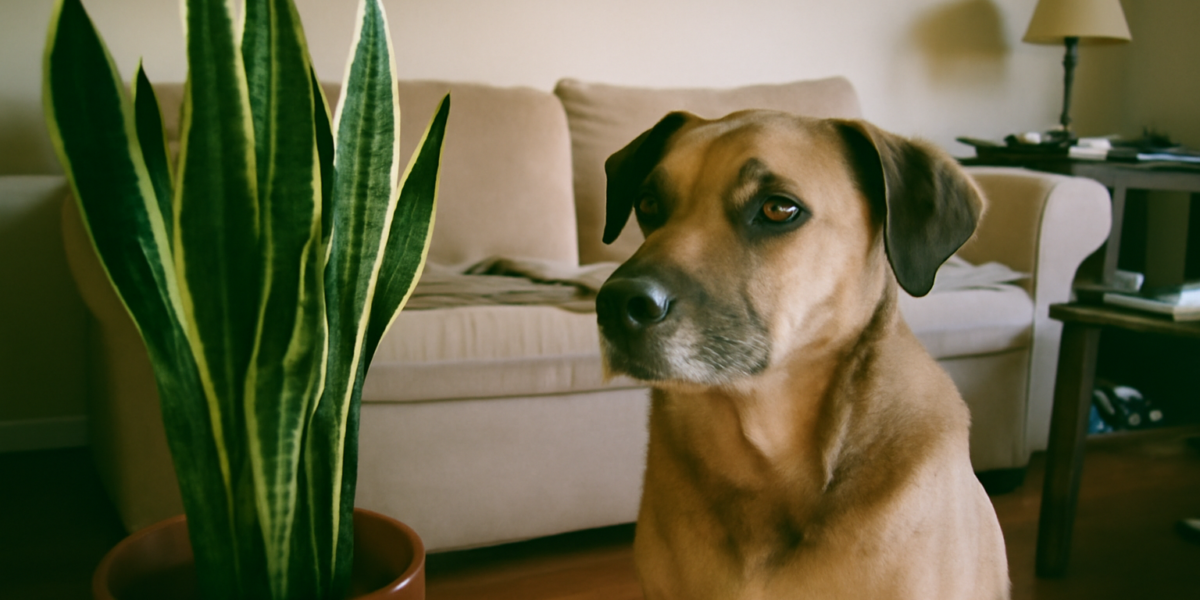
Yes, snake plants are toxic to dogs. Also known as Sansevieria or mother-in-law’s tongue, the snake plant contains toxic compounds called saponins that can cause illness if your dog chews on or ingests the leaves. While snake plant toxicity is generally classified as mild to moderate, it can still cause uncomfortable symptoms that require attention.
Saponins are naturally occurring chemicals found throughout the entire snake plant, including the leaves, roots, and flowers. These compounds serve as the plant’s natural defense against insects and grazing animals. When a dog chews on a snake plant leaf, the saponins are released and can irritate the mucous membranes of the mouth and digestive tract.
The good news is that snake plant poisoning is rarely life-threatening in dogs. Most cases result in gastrointestinal symptoms that resolve with supportive care. However, knowing the signs and having a plan of action is important for every dog owner who keeps these popular houseplants.
Understanding Saponins and Their Effects
Saponins are a broad class of chemical compounds found in many plants. The name comes from the Latin word “sapo,” meaning soap, because these compounds produce a foamy lather when mixed with water. This soap-like quality is what makes saponins irritating to the tissues of the mouth, stomach, and intestines.
When a dog ingests saponins from a snake plant, the compounds disrupt the normal cell membranes in the lining of the gastrointestinal tract. This disruption triggers nausea, vomiting, and diarrhea as the body attempts to expel the irritating substance.
Saponins can also cause a bitter, unpleasant taste, which often discourages dogs from eating large quantities. Many dogs take one bite of a snake plant and never go back for more. This natural deterrent helps limit the severity of most exposures.
The concentration of saponins can vary among different snake plant varieties. The popular Sansevieria trifasciata and its many cultivars all contain these compounds. Newer classifications have moved the genus to Dracaena, but the toxicity profile remains the same regardless of the naming convention.
Symptoms of Snake Plant Poisoning
Symptoms of snake plant poisoning typically appear within a few hours of ingestion. The most common signs are gastrointestinal in nature, though some dogs may also experience other effects.
Watch for these symptoms:
- Nausea and drooling
- Vomiting
- Diarrhea
- Loss of appetite
- Swelling or irritation of the mouth, tongue, and lips
- Abdominal pain or discomfort
In most cases, the symptoms are relatively mild and self-limiting. Vomiting often occurs within the first few hours and may happen multiple times before settling down. Diarrhea may follow and can last for 12-24 hours.
Severe cases, while uncommon, can lead to excessive vomiting and diarrhea that result in dehydration. Puppies, senior dogs, and dogs with existing health conditions are more susceptible to complications. If your dog’s symptoms are persistent or severe, veterinary intervention is warranted.
First Aid for Snake Plant Ingestion
If you catch your dog chewing on a snake plant, remove them from the plant immediately. Gently check their mouth and remove any remaining plant material. Rinse your dog’s mouth with clean water to help wash away residual saponins.
Offer your dog fresh, clean water to drink. Staying hydrated is important, especially if vomiting or diarrhea develops. You can also offer ice chips or small amounts of water frequently if your dog is having trouble keeping liquids down.
Do not induce vomiting unless your veterinarian specifically instructs you to do so. Since saponins already cause gastrointestinal irritation, forcing additional vomiting can worsen the inflammation in your dog’s stomach and esophagus.
Monitor your dog closely for the next 12-24 hours. Keep them comfortable and in a quiet space where you can observe any changes. Note the approximate amount of plant material consumed and the time of ingestion, as your vet may ask for these details.
When to Seek Veterinary Care
Contact your veterinarian if your dog shows any of the following signs after eating a snake plant:
- Vomiting that continues for more than a few hours
- Severe or bloody diarrhea
- Signs of dehydration such as dry gums, sunken eyes, or skin tenting
- Lethargy or refusal to move
- Loss of appetite lasting more than 24 hours
- Significant mouth swelling
Your veterinarian can provide supportive treatment including anti-nausea medications, fluid therapy, and gastroprotectants. In most cases, dogs recover fully within 24-48 hours with appropriate care.
For after-hours concerns, the ASPCA Animal Poison Control Center is available at (888) 426-4435. They can advise you on whether your dog’s symptoms warrant an emergency visit or can be managed at home with monitoring.
Always err on the side of caution with puppies or very small dogs, as they are more vulnerable to the dehydrating effects of vomiting and diarrhea. A small Chihuahua eating the same amount of plant as a Labrador will experience proportionally more severe effects.
Keeping Snake Plants Away From Dogs
Snake plants are beloved for their hardiness, air-purifying qualities, and striking appearance. If you want to keep your snake plant and your dog safe, placement is key.
Consider these strategies:
- Place snake plants on high shelves or wall-mounted planters
- Use hanging baskets to keep plants completely out of reach
- Keep snake plants in rooms your dog does not access
- Use bitter apple spray on the leaves to deter chewing
- Train your dog with a “leave it” command around plants
If your dog is a determined plant chewer, the safest option is to rehome the snake plant to a pet-free friend or replace it with a non-toxic alternative. No houseplant is worth risking your dog’s health.
Remember that snake plants can grow quite tall and may tip over, bringing leaves within reach even from an elevated position. Secure pots properly and check regularly that your plant’s growth has not brought it into your dog’s zone.
Pet-Safe Alternatives to Snake Plants
If you decide to replace your snake plant, several non-toxic houseplants offer similar benefits. The cast iron plant (Aspidistra elatior) is equally tough and low-maintenance. Spider plants and parlor palms are also excellent air purifiers that are safe for dogs.
For a similar architectural look, consider a ponytail palm or a Christmas cactus. Both are non-toxic to dogs and add visual interest to your space. Boston ferns are another attractive, dog-safe option that thrives in indirect light.
Avoid replacing a snake plant with another toxic species. Pothos plants, while popular, are also toxic to dogs due to calcium oxalate crystals. Similarly, dieffenbachia can cause severe oral pain and swelling. Always verify a plant’s safety before bringing it home.
Frequently Asked Questions
How much snake plant does a dog need to eat to get sick?
Even a small amount of snake plant can cause mild symptoms in some dogs, particularly small breeds. Typically, a few bites of a leaf will result in mild mouth irritation and possible nausea. Larger ingestions are more likely to cause vomiting and diarrhea. The bitter taste usually prevents dogs from eating dangerous quantities.
Can snake plants kill a dog?
Fatal snake plant poisoning in dogs is extremely rare. The saponins in snake plants cause primarily gastrointestinal symptoms that, while uncomfortable, are generally not life-threatening. However, severe dehydration from prolonged vomiting and diarrhea could theoretically become dangerous if left untreated, especially in very small or very young dogs.
Are all varieties of snake plant equally toxic?
All varieties of Sansevieria (now classified as Dracaena) contain saponins and are considered toxic to dogs. This includes popular varieties like the bird’s nest snake plant, cylindrical snake plant, and the many variegated cultivars. There is no “safe” snake plant variety for homes with dogs.
My dog licked a snake plant leaf but did not eat it. Should I worry?
A single lick is unlikely to cause significant problems. Your dog may experience mild oral irritation or a bad taste, which may cause temporary drooling or lip licking. Monitor them for any developing symptoms, but a brief lick typically does not deliver enough saponins to cause gastrointestinal issues.
Do snake plants purify air enough to justify keeping them around dogs?
While snake plants are indeed effective air purifiers, the NASA study that popularized this finding used sealed chambers, and the real-world air-purifying effect in a typical home is minimal. The health risk to your dog likely outweighs the marginal air quality benefit. Pet-safe plants like spider plants and Boston ferns also have air-purifying qualities without the toxicity concern. You can also explore whether sunflowers are a better fit for brightening your space safely.


