
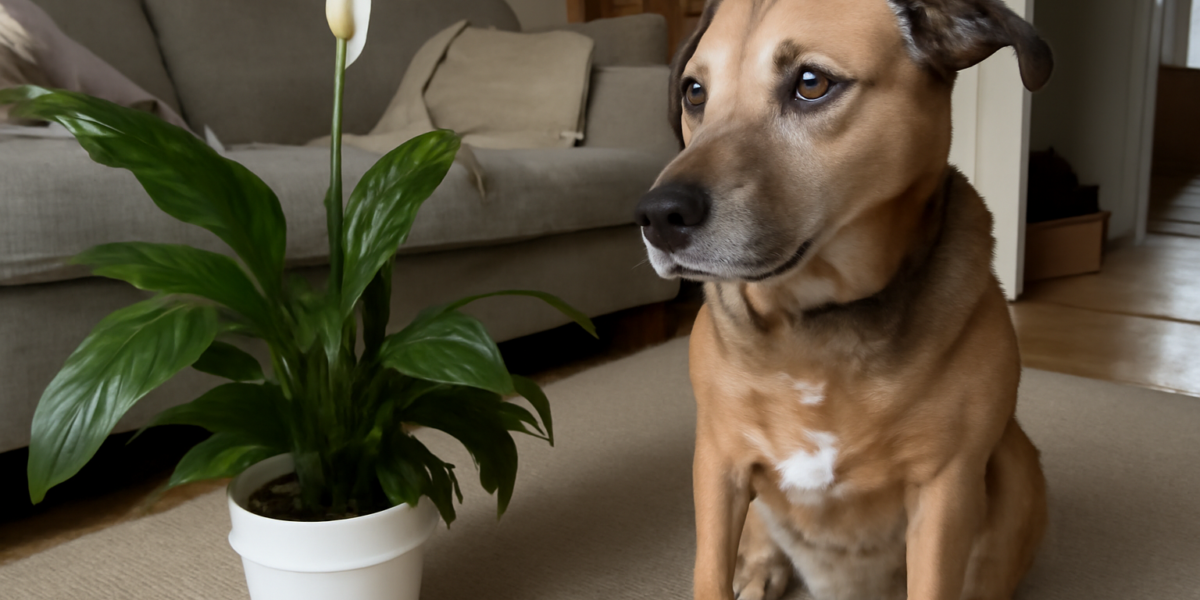
Are Peace Lilies Toxic to Dogs?
Yes, peace lilies are toxic to dogs. The peace lily (Spathiphyllum) contains insoluble calcium oxalate crystals throughout its leaves, stems, and flowers. When a dog chews on any part of the plant, these microscopic needle-shaped crystals embed in the soft tissue of the mouth, tongue, and throat, causing immediate pain and irritation.
In this article
The good news is that peace lily toxicity in dogs is generally classified as mild to moderate. Unlike true lilies (Lilium species), which cause life-threatening kidney failure in cats, peace lilies are not typically fatal. However, the intense oral discomfort they cause can lead to distressing symptoms that require prompt attention, especially if your dog ingested a large amount.
Peace lilies are one of the most popular houseplants in the United States thanks to their low-light tolerance and air-purifying qualities. If you share your home with a dog, understanding the risks and knowing what to do if exposure occurs is essential for keeping your pet safe.
Toxic Compounds in Peace Lilies
The primary toxic agents in peace lilies are insoluble calcium oxalate crystals, also called raphides. These crystals are stored in specialized cells called idioblasts throughout the plant tissue. When the plant cells are damaged by chewing, the raphides are released and act like tiny glass shards that penetrate the mucous membranes.
Unlike soluble calcium oxalates found in some foods, which are absorbed into the bloodstream and can damage the kidneys, the insoluble form found in peace lilies primarily causes localized irritation. This means the damage is usually confined to the mouth, throat, and upper gastrointestinal tract.
The concentration of calcium oxalate crystals is relatively consistent throughout the plant, so every part of the peace lily poses the same risk. Leaves are the most commonly ingested part simply because they are the most accessible to curious dogs. Even chewing without swallowing can release enough crystals to cause symptoms.
Symptoms of Peace Lily Ingestion in Dogs
Symptoms appear almost immediately after a dog chews on a peace lily, usually within minutes. The rapid onset is actually protective because the intense oral pain typically discourages the dog from consuming large quantities. Common symptoms include:
- Intense pawing at the mouth and face
- Excessive drooling and salivation
- Visible swelling of the lips, tongue, and mouth
- Difficulty swallowing
- Whimpering or vocalization due to pain
- Decreased appetite or refusal to eat
- Vomiting, especially if plant material was swallowed
In more significant exposures, swelling of the throat and airway can occur, though this is uncommon. If you notice your dog having difficulty breathing, excessive swelling around the face, or signs of choking, treat this as an emergency and seek veterinary care immediately.
Most dogs experience mild symptoms that resolve on their own within a few hours as the calcium oxalate crystals are flushed from the tissue. However, the discomfort can be significant, and your dog will appreciate some first aid to ease the irritation.
First Aid for Peace Lily Exposure
If you catch your dog chewing on a peace lily, remove the plant material from their mouth if you can do so safely. Do not induce vomiting unless specifically directed by your veterinarian or a pet poison control hotline, as this can cause additional irritation to the esophagus.
Offer your dog cool, fresh water or ice chips to help rinse the calcium oxalate crystals from the mouth and reduce swelling. Some dogs may be reluctant to drink due to mouth pain, so try offering water from a syringe or letting them lick ice cubes. You can also offer a small amount of plain yogurt or milk, which may help bind to the oxalate crystals and soothe irritated tissue.
Monitor your dog closely for the next several hours. Keep track of symptoms and note whether they are improving or worsening. If symptoms persist beyond 24 hours or worsen at any point, contact your veterinarian.
Take a photo of the plant for identification purposes. While peace lilies are easily recognizable, having a photo ensures your vet can confirm the exact plant involved and rule out more dangerous species. This is especially helpful if you are unsure whether your dog chewed on a peace lily or another plant in your home.
When to Call the Veterinarian
While most cases of peace lily ingestion cause only mild, self-limiting symptoms, certain situations require veterinary attention. Call your vet or the ASPCA Animal Poison Control Center (888-426-4435) if:
- Your dog consumed a large amount of plant material.
- Swelling of the tongue or throat is making breathing difficult.
- Vomiting is persistent or contains blood.
- Your dog refuses to eat or drink for more than 12 hours.
- Symptoms are not improving after several hours.
- Your dog is a puppy, senior, or has pre-existing health conditions.
At the veterinary clinic, treatment is supportive and aimed at relieving discomfort. Your vet may administer anti-inflammatory medication, provide intravenous fluids if your dog is dehydrated from vomiting, or apply a topical oral analgesic. In severe cases involving airway swelling, more aggressive intervention may be necessary.
The prognosis for peace lily toxicity in dogs is excellent. With appropriate care, most dogs make a full recovery within 24 to 48 hours. Long-term complications are extremely rare.
Keeping Peace Lilies and Dogs Safe Together
If you love peace lilies and do not want to give them up, there are strategies to keep your dog safe. Place plants on high shelves, in hanging planters, or in rooms your dog does not have access to. Remember that some dogs can be surprisingly resourceful when motivated by curiosity.
Consider using bitter-tasting pet deterrent sprays on plant leaves. These sprays are non-toxic but have an unpleasant taste that discourages chewing. However, they need to be reapplied regularly and may not deter every dog.
Training your dog with a reliable “leave it” command is the most effective long-term solution. Practice this command with various objects and reward compliance generously. A dog who reliably responds to “leave it” is much safer around all houseplants, not just peace lilies.
If your dog is a persistent plant chewer, it may be best to remove peace lilies from your home entirely and replace them with pet-safe alternatives. Spider plants, Boston ferns, and prayer plants offer similar aesthetic appeal without the toxicity risk. For more information on safe plants, check out whether Boston ferns are safe for dogs.
Dog-Safe Alternatives to Peace Lilies
If you decide to replace your peace lilies, there are plenty of attractive, non-toxic houseplants that thrive in similar low-light conditions. Here are some excellent options:
- Boston fern (Nephrolepis exaltata): A lush, cascading fern that is completely non-toxic to dogs and thrives in indirect light.
- Prayer plant (Maranta leuconeura): Features beautiful patterned leaves and folds them up at night. Non-toxic and easy to care for.
- Peperomia: A diverse genus with many varieties, all non-toxic to dogs. Their compact size makes them great for shelves and desks.
- Cast iron plant (Aspidistra elatior): Nearly indestructible and safe for dogs. Tolerates low light, neglect, and temperature fluctuations.
You can learn more about pet-safe options in our articles on prayer plants and dogs and peperomia safety for dogs. Filling your home with non-toxic plants gives you peace of mind while keeping your living space green and vibrant.
Frequently Asked Questions
Can a peace lily kill a dog?
Fatalities from peace lily ingestion are extremely rare. The intense oral pain caused by calcium oxalate crystals usually prevents dogs from eating enough plant material to cause severe toxicity. However, significant airway swelling is a potential risk, so always monitor your dog and seek veterinary care if breathing becomes labored.
Are peace lilies toxic to cats too?
Yes, peace lilies are also toxic to cats through the same calcium oxalate mechanism. Despite the name “lily,” peace lilies are not true lilies and do not cause the kidney failure associated with Lilium species. However, they still cause painful oral irritation in cats.
How long do symptoms of peace lily poisoning last in dogs?
Most symptoms resolve within 12 to 24 hours. Oral discomfort and reluctance to eat may persist slightly longer in some cases but typically clear up completely within 48 hours with supportive care.
What should I do if my dog ate a peace lily and I am not sure how much?
Monitor your dog for symptoms and contact your veterinarian or the ASPCA Animal Poison Control Center for guidance. Even if your dog seems fine, a quick call to your vet can provide peace of mind and ensure you know what symptoms to watch for over the next 24 hours.
Are all lilies equally toxic to dogs?
No. True lilies (Lilium and Hemerocallis species) are far more dangerous, particularly to cats, and can cause kidney failure. Peace lilies (Spathiphyllum) cause mainly oral irritation. Always identify the specific plant involved, as the treatment and prognosis vary significantly between species.


